


 Kremlin Says No Decision Yet on Putin-Trump December Summit
  Mexico-US Trade Talks Delayed to October as Tariff Negotiations Continue
  Macron Challenges Trump’s Gaza Peace Claims at UN
  US, China Extend Trade Truce to Jan. 10 Ahead of Trump-Xi Summit
  Ghana Says Western Support Growing for Slave Trade Reparations
  Russian Strikes Kill Eight Across Ukraine as Energy Sites Hit
  China Tightens Fentanyl Rules Ahead of Trump-Xi Summit
  Trump Says ‘Freedom’ Is Coming to Cuba
  Netanyahu Takes Aim at Mamdani as Israel Election Nears
  Russian Envoy Dmitriev Heads to US for Ukraine Talks
  US Officials Split Over Response to Israeli West Bank Settlements
  Gaza Faces Evacuation Crisis as War-Damaged Buildings Risk Collapse
  Russian Missile and Drone Attack on Kyiv Kills Two, Damages Maternity Hospital
  Venezuela Promises Elections as Delcy Rodriguez Pledges Democratic Transition
  Marco Rubio to Meet Russia’s Lavrov in New York
  US Invites Putin to Miami G20, Opening Door to Trump Summit
  Judge Orders Trump to Restore White House Access for CNN, MS NOW and Politico


 Add as a preferred source on Google
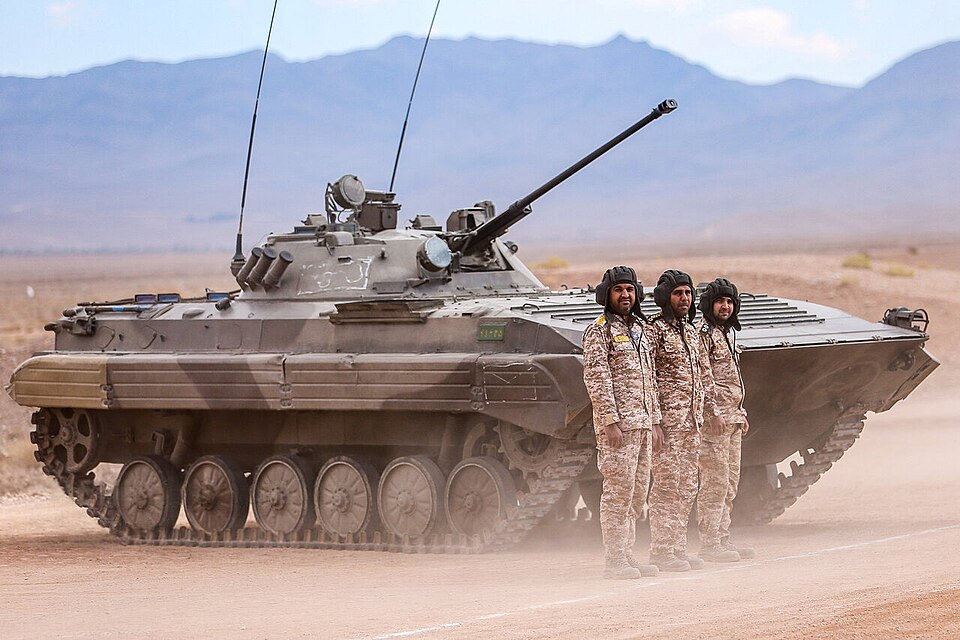
The conflict between the United States and Iran intensified over the weekend as both sides exchanged fresh military strikes, raising concerns about the stability of the fragile ceasefire and the broader economic impact of the ongoing crisis.
According to U.S. Central Command (CENTCOM), American forces carried out strikes against Iranian radar and command facilities located in Goruk and on Qeshm Island. The U.S. military described the operation as a defensive response following the reported downing of a U.S. drone in the region. The latest action marks the third military exchange between Washington and Tehran since last week, highlighting the growing volatility in the Middle East.
In response, Iran’s Islamic Revolutionary Guard Corps (IRGC) announced that it had launched attacks against a U.S. military base allegedly involved in operations targeting southern Iran. While Iranian officials did not identify the specific base, Kuwaiti authorities reported intercepting incoming missiles and drones on Monday, suggesting heightened regional security risks.
The latest confrontation further strains an already fragile ceasefire between the two countries. Despite ongoing indirect negotiations, progress toward a long-term peace agreement remains limited, with both sides continuing to exchange military actions.
U.S. President Donald Trump stated on social media that Iran “really wants to make a deal” and expressed confidence that the situation would eventually be resolved. However, he provided no details regarding the status of negotiations or whether an agreement to end hostilities and reopen the Strait of Hormuz is imminent.
The U.S.-Iran conflict has now entered its fourth consecutive month, with major disagreements remaining over Iran’s nuclear program. Washington continues to demand that Tehran surrender its enriched uranium stockpiles, a proposal Iranian leaders have repeatedly rejected.
Meanwhile, Iran continues to maintain restrictions in the Strait of Hormuz, while a U.S. naval blockade remains in effect. These developments have fueled concerns about global energy supplies, pushing oil prices higher amid fears of prolonged disruptions.
Separately, Iranian officials denied reports suggesting that President Masoud Pezeshkian had resigned amid speculation of increased IRGC influence within the country's leadership.







