


 Scott Bessent Eyed as Trump’s New AI Czar
  UK, Mauritius Seek Diego Garcia Base Deal
  Zelenskiy Warns Russia Preparing Major Attack on Ukraine
  Trump Board of Peace Unveils $2.45 Billion Gaza Recovery Plan
  Marco Rubio to Meet Russia’s Lavrov in New York
  Lula and Flavio Bolsonaro Tied in Brazil Runoff Poll
  Vietnam, US Trade Deal Could Be Signed Soon, To Lam Says
  US Plans Two New Military Bases in Greenland Under Arctic Deal
  Macron Challenges Trump’s Gaza Peace Claims at UN
  Zelenskiy Meets CIA Chief John Ratcliffe at Ireland’s Shannon Airport
  Burnham Eyes UK Leadership Role in AI Ahead of Trump Meeting
  Paramount-Warner Bros $110 Billion Deal Draws Antitrust Backlash
  Canada Unveils Bill to Fast-Track Major Resource Projects
  Lula Meets Mamdani in New York as Elections Approach
  CNN, MS NOW and Politico Sue Trump Over White House Media Ban
  Trump Scales Back Endangered Species Act Protections
  China Tightens Fentanyl Rules Ahead of Trump-Xi Summit


 Add as a preferred source on Google
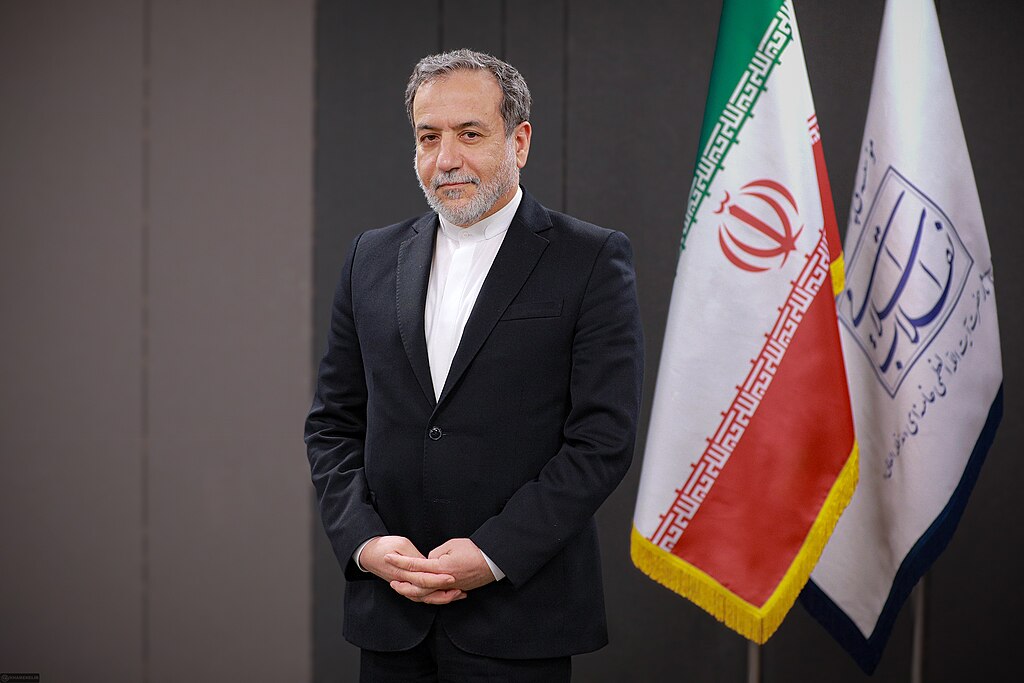
Hopes for a historic U.S.-Iran peace agreement strengthened on Friday after encouraging statements from Iranian officials and key mediator Pakistan suggested that a final deal could be close.
Iranian Foreign Minister Seyed Abbas Araghchi said a memorandum of understanding (MoU) between Washington and Tehran had “never been closer” to completion. He urged media outlets to avoid speculation until negotiations are finalized, adding that full details would be released publicly once an agreement is reached.
Pakistan Prime Minister Shehbaz Sharif also expressed optimism, stating that peace efforts are at their most advanced stage yet. According to Sharif, negotiators have already agreed on the final text of a proposed peace deal, raising expectations that a formal signing could take place soon.
Despite the positive developments, tensions briefly resurfaced after U.S. President Donald Trump criticized reports from Iran’s Mehr News Agency regarding the contents of the agreement. Trump argued that leaked details, including claims about releasing frozen Iranian assets and limiting talks to nuclear and economic issues, did not reflect the terms agreed upon by both sides.
Trump accused Iranian officials of misrepresenting negotiations and called for a more constructive approach. Nevertheless, reports indicate that discussions continue to move forward. Reuters reported that Washington and Tehran could sign the MoU as early as Sunday, potentially during a ceremony in Geneva involving U.S. Vice President JD Vance and Iranian Parliament Speaker Mohammed Baqer Qalibaf.
According to sources familiar with the talks, negotiators are working to finalize language covering key issues, including regional security concerns. Iran is reportedly seeking guarantees related to the conflict involving Israel and Hezbollah, while broader discussions include reopening the Strait of Hormuz and easing U.S. oil sanctions within 30 days of implementation.
The prospect of a U.S.-Iran peace deal has already impacted global energy markets. Brent crude oil prices fell more than 3%, extending losses after investors reacted positively to signs of de-escalation. The Strait of Hormuz, a critical route for global energy supplies, has remained heavily disrupted during the conflict, making any agreement significant for oil markets and international trade.
Trump recently stated that the war with Iran was effectively over and expressed confidence that a final agreement could be signed within days, potentially marking a major diplomatic breakthrough in the Middle East.







