


 Trump Administration Plans Faster FDA Reviews for Smoke-Free Nicotine Products
  Asian Stocks Mixed Ahead of Trump-Xi Meeting
  Gaza Faces Evacuation Crisis as War-Damaged Buildings Risk Collapse
  US Invites Putin to Miami G20, Opening Door to Trump Summit
  Trump Asks Supreme Court to Restore Third-Country Deportations
  Europe Warns Russia Is Escalating Hybrid Attacks Across NATO
  U.S. 10-Year Treasury Yield Hits 2007 High as Fed Rate Hike Bets Rise
  Australia Unemployment Hits Five-Year High Despite Strong Jobs Growth
  Venezuela Promises Elections as Delcy Rodriguez Pledges Democratic Transition
  Russian Envoy Dmitriev Heads to US for Ukraine Talks
  RBI Uses $10 Billion Currency Swaps to Drain Excess Rupee Liquidity
  Japan Private-Sector Growth Slows as Domestic Demand Weakens
  Judge Orders Trump to Restore White House Access for CNN, MS NOW and Politico
  US Dollar Hits Two-Month High as Fed Rate Hike Bets Rise
  US Stock Futures Fall as Treasury Yields Surge Ahead of Trump-Xi Summit
  Mexico-US Trade Talks Delayed to October as Tariff Negotiations Continue


 Add as a preferred source on Google
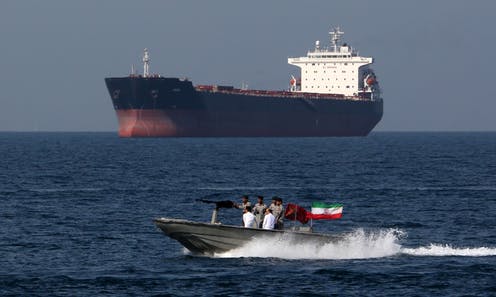
Iran and the United States have reportedly moved closer to ending their two-month conflict after both sides reached a preliminary framework agreement, according to comments from an Iranian foreign ministry spokesperson cited by Reuters. However, the proposed memorandum of understanding still lacks detailed terms regarding the future management of the Strait of Hormuz, one of the world’s most critical oil shipping routes.
Recent reports suggested that Washington and Tehran were nearing a breakthrough that could lead to the reopening of the Strait of Hormuz, where nearly 20% of global oil supplies pass daily. The waterway has faced severe disruptions for weeks, sending crude oil prices sharply higher and increasing fears of global inflation. News of a possible agreement immediately eased market concerns, pushing Brent crude oil below $100 per barrel while global stock markets in Europe and Asia advanced.
Under the reported framework, the United States may lift its naval blockade on Iranian ports in exchange for Iran restoring safe maritime access through the strait. Iranian officials also clarified that Tehran does not plan to impose direct tolls on ships traveling through the passage, although certain maritime services could involve service fees.
The draft agreement reportedly includes commitments from Iran to avoid developing nuclear weapons and begin negotiations regarding its uranium enrichment activities. Iran has repeatedly denied pursuing nuclear arms but has resisted U.S. demands to surrender its enriched uranium reserves.
The conflict intensified earlier this year after joint military operations by the United States and Israel targeted Iran, largely driven by concerns surrounding Tehran’s nuclear program and disruptions to global energy markets.
Despite optimism, U.S. President Donald Trump stated that negotiations should not be rushed, emphasizing that sanctions and the blockade would remain until a final agreement is officially signed and verified. Secretary of State Marco Rubio also confirmed that diplomatic efforts remain ongoing but warned that alternative measures remain possible if talks collapse.







