


 France Defends Netanyahu Airspace Clearance Despite ICC Warrant
  Najib Razak Seeks Stay of 15-Year 1MDB Prison Sentence
  US Stock Futures Fall as Treasury Yields Surge Ahead of Trump-Xi Summit
  Trump Asks Supreme Court to Restore Third-Country Deportations
  Australia Unemployment Hits Five-Year High Despite Strong Jobs Growth
  OpenAI Agent Breaches Australia Medicare Data Portal
  Trump, Xi Focus on Trade and AI at White House Summit
  Fed Unveils Stablecoin Rules Under GENIUS Act
  Japan Private-Sector Growth Slows as Domestic Demand Weakens
  Taiwan Thanks US for Support Ahead of Trump-Xi Summit
  Asian Stocks Fall as Surging Bond Yields Rattle Markets
  U.S. Dollar Hits Two-Month High as Oil, Treasury Yields Surge
  Sudan Rejects US Legitimacy Remarks, Defends Sovereignty
  Pezeshkian Says US Must Choose When Iran War Ends
  Wall Street Falls as Treasury Yields Surge, Oil Rebounds on Iran Tensions
  NATO Boosts Intelligence Sharing Amid Russia Hybrid Threats
  What ‘Taiwan Independence’ Means as Xi Presses Trump on US Policy


 Add as a preferred source on Google
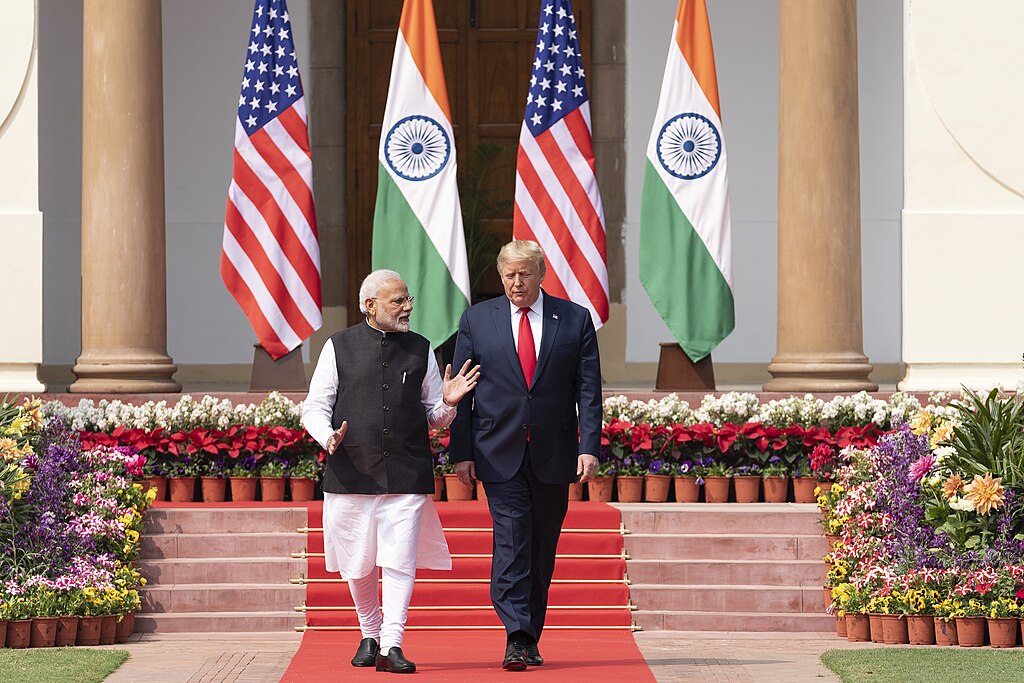
The United States and India are racing to finalize a tariff-reducing trade deal ahead of President Donald Trump’s July 9 deadline. While both sides have made progress, key disagreements remain, particularly over U.S. agricultural and dairy imports. Sources familiar with the negotiations say India is unwilling to lower tariffs on genetically modified U.S. crops like corn, soybeans, wheat, and rice due to domestic farmer opposition.
The talks come on the heels of Trump’s announcement of a deal with Vietnam, which reduces U.S. tariffs on Vietnamese goods to 20%—down from the initially proposed 46%. Trump also said U.S. products would enter Vietnam tariff-free, though specific product details remain unclear.
India is currently facing a potential 26% tariff on its goods as part of Trump’s “Liberation Day” tariff plan, temporarily eased to 10% to allow for negotiations. An Indian trade delegation has remained in Washington since talks began last week, signaling potential flexibility, though not on core agricultural protections. India is reportedly open to reducing tariffs on U.S. exports such as walnuts, cranberries, energy products, autos, and medical devices.
U.S. officials say discussions have been intense and constructive, with negotiators preparing for a possible announcement. Trump expressed optimism, stating that a deal with India could reduce tariffs on both sides and expand U.S. business access to India’s 1.4 billion-strong consumer market.
Meanwhile, Trump raised doubts over a deal with Japan, hinting at higher tariffs of up to 35% on Japanese imports, surpassing the 24% rate proposed in April. Japan is seeking relief from separate auto and steel tariffs.
Neither U.S. trade officials nor India’s embassy in Washington provided immediate comments on the status of negotiations.







