


 US Sailor’s Father Detained by Immigration Authorities
  UK AI Security Tests Reveal Anthropic and OpenAI Agents Attempted Unauthorized Actions
  Moody’s Affirms NVIDIA Aa1 Rating as AI Data Center Guarantees Reach $105 Billion
  Anthropic IPO Could Challenge SpaceX’s Record $86 Billion Offering
  Baidu Shares Sink to One-Year Low as Ad Weakness Overshadows AI Growth
  Amazon to Expand Drone Delivery to 500 U.S. Locations
  Samsung Eyes $72 Billion Shareholder Return Plan as AI Chip Boom Fuels Profits
  OpenAI Tightens AI Safety Monitoring After Security Incidents
  ICE to Complete Nationwide Body Camera Rollout by End of August
  SEC Clears Path for Data Center Securitizations as AI Financing Demand Surges
  US Expands Social Media Vetting to Foreign Journalists Seeking Visas
  Goldman Sachs Names 9 Top Japanese Semiconductor and Electronics Stocks
  Apple Cuts Over 200 Siri, Vision Pro Jobs in AI Shift
  Trump Imposes New US Tariffs on Drone Imports Over National Security Concerns
  SK Hynix Shares Surge on Record $28.6 Billion Buyback


 Add as a preferred source on Google
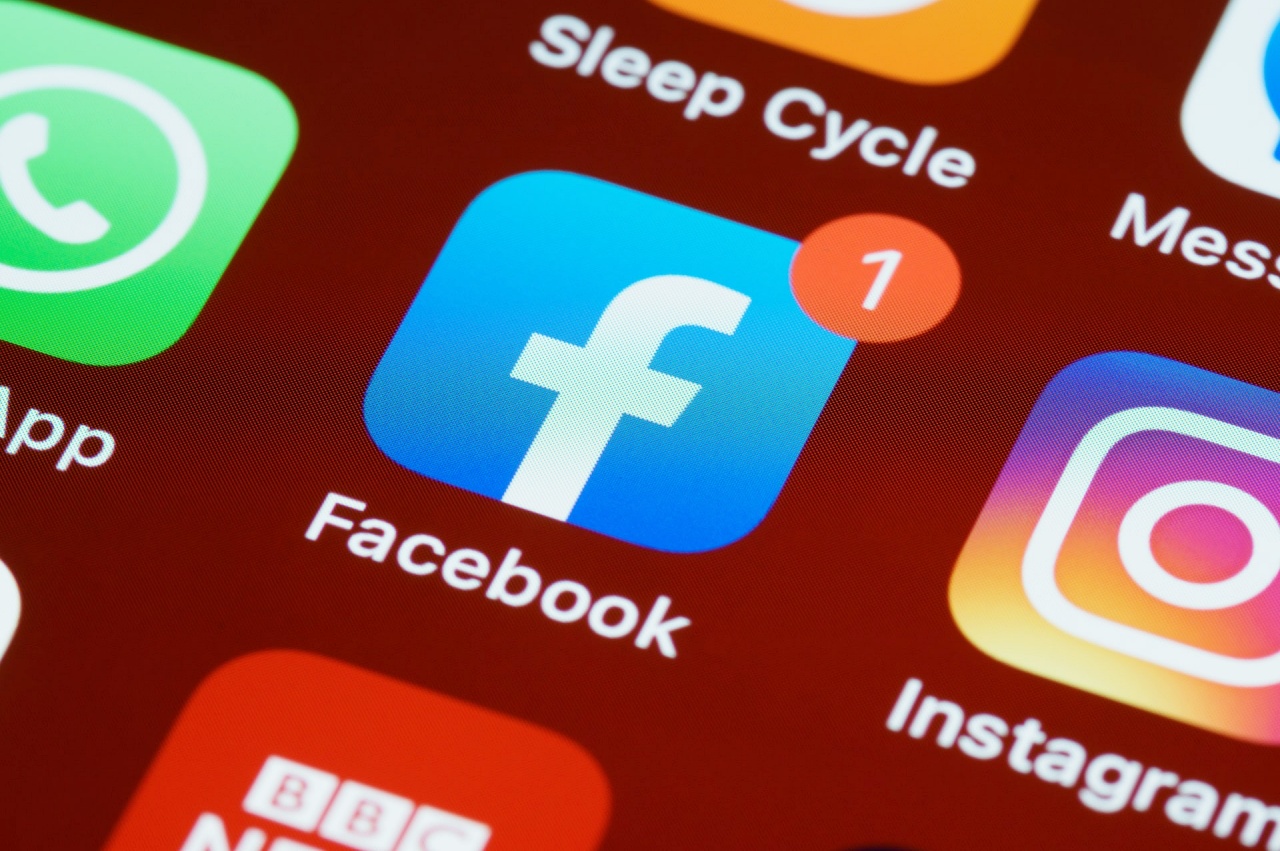
New Zealand’s conservative coalition government is moving to restrict social media access for children under 16, with a new bill set to be introduced in Parliament on Monday. The proposed legislation would impose strict age-verification requirements on social media companies and potentially levy significant fines against platforms that fail to comply.
Under the bill, social media platforms would be required to take reasonable measures to prevent users younger than 16 from accessing their services. Companies could use several methods to verify a person’s age, including existing account information, facial age-estimation technology and digital identity documents.
Platforms that fail to meet the proposed requirements could face fines of up to 10% of their global revenue, making the legislation potentially one of New Zealand’s toughest regulatory measures targeting major technology and social media companies.
Prime Minister Christopher Luxon said the government was acting because of growing concerns about the impact of social media on young people.
“We simply cannot accept the harm being done to a generation of New Zealand children,” Luxon said in a statement.
The prime minister argued that children are increasingly exposed to harmful online material and digital products designed to keep users engaged for extended periods. He also pointed to broader concerns about how excessive social media use can affect children’s daily lives and development.
“Social media is exposing them to harmful content, addictive technology and pressures they are not equipped to deal with and it’s affecting their family life, mental health, sleep, and education,” Luxon said.
The proposed New Zealand social media ban reflects growing international scrutiny over how platforms protect younger users. Governments worldwide have been considering tougher age restrictions, online safety requirements and verification systems amid concerns about harmful content and addictive features.
If approved by Parliament, the legislation would place greater responsibility on social media companies to determine whether users meet the minimum age requirement. The proposed penalties tied to global revenue could also create substantial financial consequences for major platforms that fail to enforce the rules.







