


 US Forces Exit Iraq as Iran Influence and ISIS Risks Grow
  US Waives $320M Egypt Military Aid Conditions After Iran War Role
  Trump Praises Boeing 737 Max After Flydubai Crash Attempt
  Trump Demands Powell Resign Over Fed Renovation Cost Overruns
  CNN, Politico and MS NOW Seek Court Order Blocking Trump White House Ban
  US Conducts Non-Nuclear Explosion Test to Boost Nuclear Detection
  Netanyahu Vows Probe Into Foiled Flydubai Crash Attempt
  Israeli Settlers Attack West Bank Village, Block Palestinian Family’s Return
  Trump, Tech Leaders Sign ‘Morally Binding’ AI Safety Accord
  TRUMP Memecoin Launches New Dinner Contest
  Wicker Urges US to Uphold Taiwan Security Commitments
  Russia Warns NATO of Nuclear Response Over Kaliningrad
  Pentagon Launches Autonomous Warfare Command
  Tim Scott Blames Democrats as CLARITY Act Stalls in Senate
  Israel Tightens Pilot Security After Flydubai Incident
  Trump Eyes $54 Billion South Korean Investment in Alaska LNG
  Polymarket Traders Bet on Trump AI Rename to ‘Super Intelligence’


 Add as a preferred source on Google
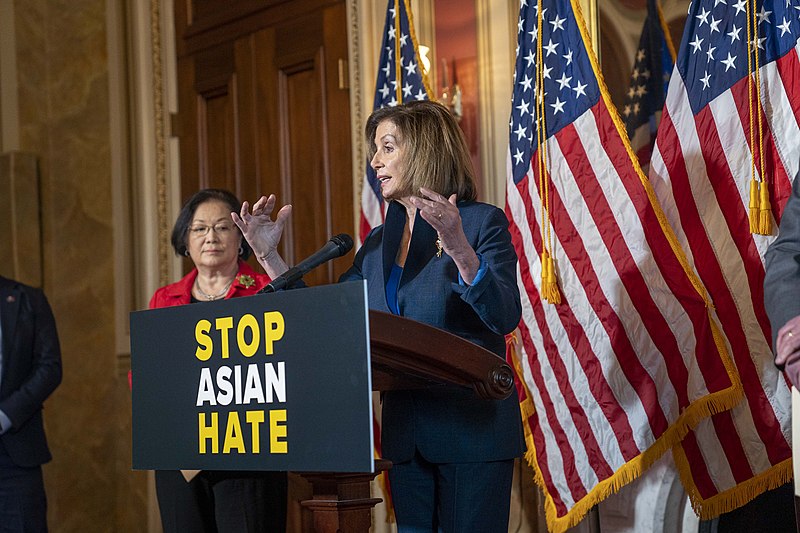
The United States has increasingly stepped up its engagement with Taiwan, especially at a time when tensions are rife with China, which claims the island nation as part of the mainland. US House Speaker Nancy Pelosi is expected to be visiting Taiwan next month.
In a report by the Financial Times, Pelosi, the top House Democrat, is planning on visiting Taiwan in August, according to six people familiar with the matter.
Pelosi’s possible visit also comes as China has been engaging in a pressure campaign to force the island and its democratic government to accept Beijing’s sovereignty. This has also caused strains in ties between the US and China.
Washington was reportedly divided on whether Pelosi should visit the island nation, according to two people familiar with the matter.
The plans of the visit have predictably drawn the ire of Beijing, which has criticized every visit of officials of foreign governments to Taiwan.
China’s foreign ministry said Tuesday that Pelosi’s visit to the island nation would undermine Beijing’s so-called sovereignty and territorial integrity and that the US should deal with the consequences.
Speaking at a press briefing, China’s foreign ministry spokesperson Zhao Lijian said China would take strong measures to secure its sovereignty and territorial integrity.
Taiwanese President Tsai Ing-wen has long reiterated that only the people of Taiwan can decide their future, resisting Beijing’s rhetoric. Over the weekend, Tsai launched her party’s campaign for the island’s local elections that will take place in November.
During the annual congress of the governing Democratic Progressive Party, Tsai said that the post-pandemic era was full of challenges and opportunities, citing the global issue of inflation and Russia’s invasion of Ukraine.
“But we can remain confident in ourselves. Taiwan’s economic fundamentals are good, and many industries have also grasped a key strategic position in the process of global supply chain restructuring,” said Tsai, who also expressed optimism when pressed if the DPP would maintain its majorities.
Taiwanese Premier Su Tseng-chang criticized China’s “rude and unreasonable pressure,” quoting Tsai as saying that the Taiwanese people will not give in to the pressure from Beijing.







