


 Trump, Xi Focus on Trade and AI at White House Summit
  Trump Warns China Against Supporting Iran in Xi Talks
  Trump Asks Supreme Court to Restore Third-Country Deportations
  US Supreme Court Revives Trump Administration Voter Citizenship Database
  Putin Says Ukraine Peace Proposals Remain on Table
  European Stocks Fall as Bond Yields and Geopolitical Risks Weigh
  US 10-Year Treasury Yield at 6% Emerges as New Market Risk Threshold
  Fed’s Hammack Says Bond Yield Surge Is Not Driven by Inflation Fears
  Yemen Violence Displaces 130,000 as Civilian Toll Rises
  Soybean Futures Slip as Traders Await Trump-Xi Trade Signals
  EU Agrees €6.6 Billion Military Aid Funding for Ukraine
  Australia Unemployment Hits Five-Year High Despite Strong Jobs Growth
  Oil Prices Jump 3% as Houthi Attack Revives Supply Fears
  US Senate Rejects Iran War Powers Resolution in 50-49 Vote
  Russian Envoy Dmitriev Heads to US for Ukraine Talks
  U.S. Dollar Hits Two-Month High as Oil, Treasury Yields Surge
  US Stock Futures Fall as Treasury Yields Surge Ahead of Trump-Xi Summit


 Add as a preferred source on Google
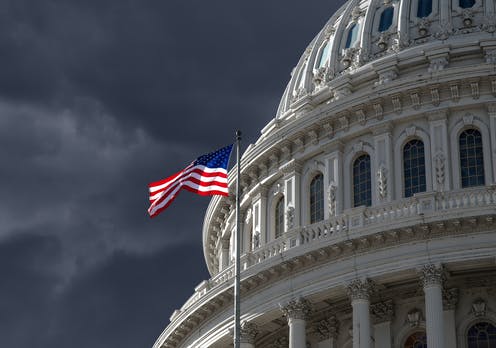
The U.S. House of Representatives has passed a crucial funding bill aimed at ending the nation’s longest-ever government shutdown. The legislation, approved in a 222–209 vote on Wednesday evening, will fund government operations through January 30. The bill received support from 216 Republicans and six Democrats, while the Democratic minority largely opposed it. President Donald Trump is expected to sign the measure into law at 9:45 p.m. ET, according to the White House.
The passage follows a similar move in the Senate earlier this week, where eight Democrats crossed party lines to advance the bill. This legislative action comes as the shutdown reached its 43rd consecutive day—surpassing the previous 35-day closure that occurred during Trump’s first term in 2018–2019.
Democrats have voiced strong opposition, citing the bill’s elimination of certain Affordable Care Act subsidies that could raise healthcare costs for nearly 10 million Americans. Despite this, supporters argue that reopening the government is critical to restoring federal services and stabilizing the economy.
The shutdown’s impact has been severe, with widespread disruption across multiple sectors. Air travel faced significant delays and cancellations due to reduced staffing in air traffic and safety operations. Transportation Secretary Sean Duffy warned that continued disruptions could threaten the upcoming Thanksgiving travel period.
Economic experts estimate the shutdown has cost the U.S. between $10 billion and $30 billion per week, potentially shaving up to 2% off the nation’s gross domestic product. With the new bill’s passage, federal workers and agencies are expected to resume normal operations, bringing much-needed relief after weeks of economic and logistical strain.
This development marks a critical turning point, signaling an end to a historic government closure and a potential step toward broader bipartisan cooperation.







