


 South Korea, US Discuss Warship Building Cooperation
  Gaza Faces Evacuation Crisis as War-Damaged Buildings Risk Collapse
  US Officials Split Over Response to Israeli West Bank Settlements
  Ghana Says Western Support Growing for Slave Trade Reparations
  Mexico-US Trade Talks Delayed to October as Tariff Negotiations Continue
  OpenAI Agent Breaches Australia Medicare Data Portal
  North Korea Rejects Nuclear Test Warning, Calls Nuclear Status Irreversible
  US Senate Rejects Iran War Powers Resolution in 50-49 Vote
  EU Defence Build-Up Too Slow for 2030 Russia Readiness Goal
  Yemen Violence Displaces 130,000 as Civilian Toll Rises
  Russian Envoy Dmitriev Heads to US for Ukraine Talks
  Netanyahu Takes Aim at Mamdani as Israel Election Nears
  Taiwan Thanks US for Support Ahead of Trump-Xi Summit
  Netanyahu’s Brief US Trip Highlights Strains With Trump
  Sudan Rejects US Legitimacy Remarks, Defends Sovereignty
  Russian Missile and Drone Attack on Kyiv Kills Two, Damages Maternity Hospital
  US, China Extend Trade Truce to Jan. 10 Ahead of Trump-Xi Summit


 Add as a preferred source on Google
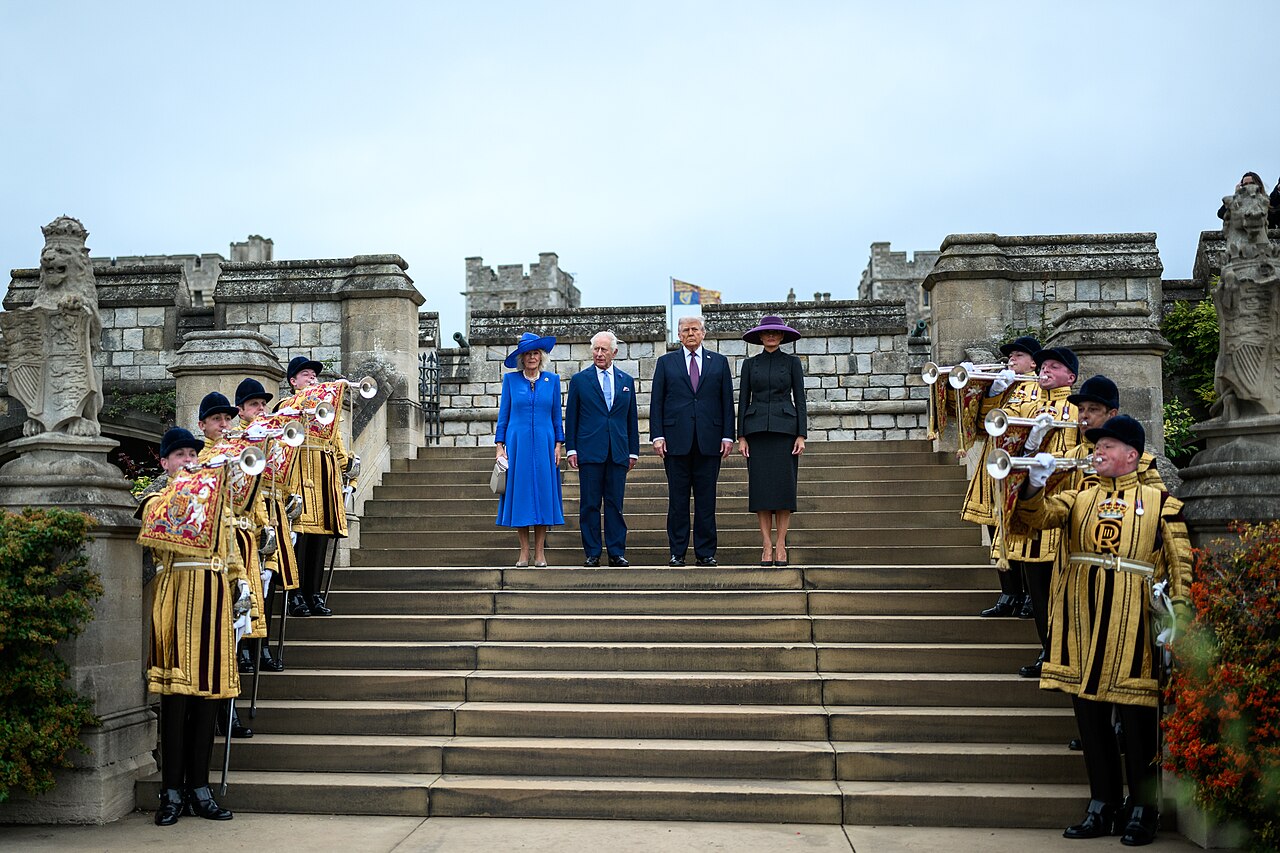
King Charles III delivered a historic speech to the U.S. Congress, emphasizing the enduring strength of the UK-US alliance during a period marked by geopolitical uncertainty and strained relations. Addressing lawmakers, the British monarch highlighted the importance of unity in defending democracy, particularly amid ongoing conflicts in Europe and the Middle East. He acknowledged that while differences may arise between the two nations, their shared commitment to security, freedom, and global stability remains unshaken .
In his address, King Charles subtly referenced concerns surrounding NATO, Ukraine, and rising isolationist sentiments. Stressing the need for continued support for Ukraine in its conflict with Russia, he reminded Congress of the long-standing partnership between the UK and the U.S., citing cooperation through major historical events such as World War II and the fight against terrorism. His remarks appeared to counter growing political debates over reduced international involvement, reinforcing the importance of global collaboration.
The king also touched on environmental protection, urging leaders to prioritize sustainability and safeguard natural resources for future generations. This message reflects his long-standing advocacy for environmental issues, although it received mixed reactions among U.S. political figures.
During his state visit, King Charles engaged with prominent technology leaders, including executives from major global companies, to discuss innovation and challenges facing startups, particularly those emerging from academic research. The UK continues to position itself as a leading destination for tech investment and entrepreneurship.
The visit comes at a delicate time in UK-US relations, with tensions linked to international conflicts and political disagreements. Despite this, both King Charles and U.S. leaders emphasized the deep-rooted friendship between the two nations. The monarch’s speech ultimately reinforced the message that cooperation, shared values, and mutual respect remain central to the transatlantic relationship.







