


 Trump, Xi Focus on Trade and AI at White House Summit
  Trump Administration Plans Faster FDA Reviews for Smoke-Free Nicotine Products
  Netanyahu Takes Aim at Mamdani as Israel Election Nears
  Netanyahu’s Brief US Trip Highlights Strains With Trump
  Ghana Says Western Support Growing for Slave Trade Reparations
  OpenAI Agent Breaches Australia Medicare Data Portal
  Gaza Faces Evacuation Crisis as War-Damaged Buildings Risk Collapse
  South Korea, US Discuss Warship Building Cooperation
  US Officials Split Over Response to Israeli West Bank Settlements
  Yemen Violence Displaces 130,000 as Civilian Toll Rises
  EU Defence Build-Up Too Slow for 2030 Russia Readiness Goal
  NATO Boosts Intelligence Sharing Amid Russia Hybrid Threats
  Abbas Reaffirms November 28 Palestinian Elections
  US Backs Musk in Fight Against EU’s €120 Million X Fine
  North Korea Rejects Nuclear Test Warning, Calls Nuclear Status Irreversible
  US, China Extend Trade Truce to Jan. 10 Ahead of Trump-Xi Summit
  Europe Warns Russia Is Escalating Hybrid Attacks Across NATO


 Add as a preferred source on Google
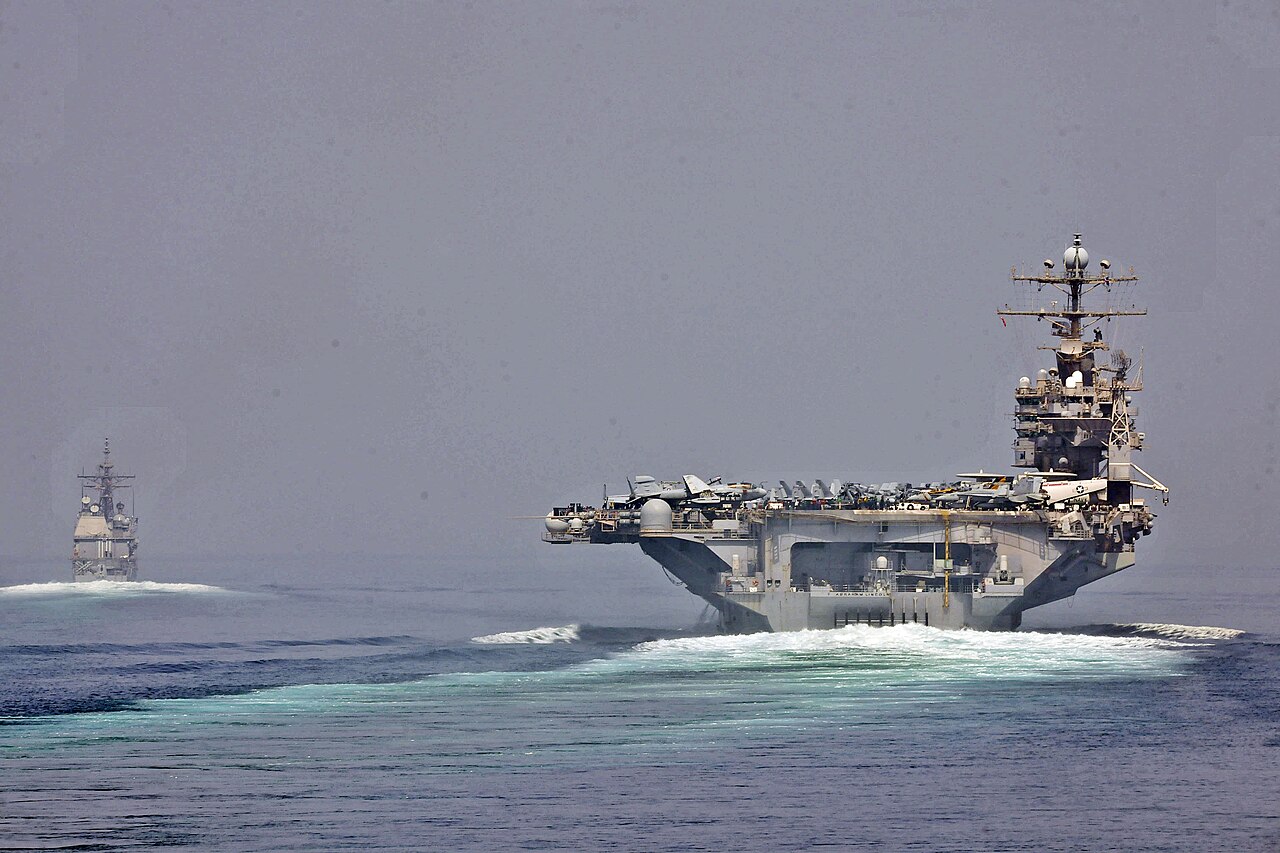
The United States is urging allied nations to support a new international initiative aimed at safeguarding navigation through the Strait of Hormuz, a critical global shipping route that has recently experienced disruptions. According to a report by the Wall Street Journal, the proposed alliance—referred to as the “Maritime Freedom Construct”—is designed to ensure the continued flow of maritime traffic in one of the world’s most strategically important waterways.
The Strait of Hormuz plays a vital role in global energy supply chains, with a significant portion of the world’s oil shipments passing through it daily. Any interruption in this narrow corridor can have immediate and far-reaching effects on international markets, oil prices, and global trade stability. Recent tensions and stalled ship movements have heightened concerns among policymakers and industry leaders, prompting the United States to take proactive measures.
The Maritime Freedom Construct would reportedly focus on improving coordination among participating countries by sharing intelligence, strengthening diplomatic collaboration, and enforcing international sanctions where necessary. The initiative reflects Washington’s broader strategy to maintain maritime security and protect freedom of navigation in key regions.
While details of the coalition are still emerging, the plan underscores the importance of multilateral cooperation in addressing maritime threats and ensuring safe passage for commercial vessels. By bringing together partner nations, the United States aims to create a unified response to potential disruptions, thereby enhancing stability in the Strait of Hormuz.
Reuters noted that it has not independently verified the Wall Street Journal’s report, and official confirmation from the U.S. State Department is still pending. However, the proposal signals a growing emphasis on international collaboration to address evolving geopolitical challenges and secure critical shipping lanes.
As global dependence on uninterrupted maritime trade continues to rise, initiatives like the Maritime Freedom Construct could play a key role in maintaining economic stability and reinforcing international security frameworks.







