


 EU Defence Build-Up Too Slow for 2030 Russia Readiness Goal
  US Backs Musk in Fight Against EU’s €120 Million X Fine
  France Defends Netanyahu Airspace Clearance Despite ICC Warrant
  Trump, Xi Focus on Trade and AI at White House Summit
  Ukrainian Drone Attacks Hit Russian Regions, Injuring at Least 12
  Najib Razak Seeks Stay of 15-Year 1MDB Prison Sentence
  Netanyahu’s Brief US Trip Highlights Strains With Trump
  Taiwan Thanks US for Support Ahead of Trump-Xi Summit
  Kremlin Says No Decision Yet on Putin-Trump December Summit
  Abbas Reaffirms November 28 Palestinian Elections
  Russian Missile and Drone Attack on Kyiv Kills Two, Damages Maternity Hospital
  NATO Boosts Intelligence Sharing Amid Russia Hybrid Threats
  North Korea Rejects Nuclear Test Warning, Calls Nuclear Status Irreversible
  Ghana Says Western Support Growing for Slave Trade Reparations
  Sudan Rejects US Legitimacy Remarks, Defends Sovereignty
  Judge Orders Trump to Restore White House Access for CNN, MS NOW and Politico
  What ‘Taiwan Independence’ Means as Xi Presses Trump on US Policy


 Add as a preferred source on Google
Senior officials from the United States, Europe, and Ukraine concluded three days of high-level talks in Florida aimed at advancing efforts to end Russia’s war in Ukraine, with discussions centered on aligning positions and next steps toward peace. U.S. special envoy Steve Witkoff described the meetings as “productive and constructive,” highlighting progress on a shared strategic approach among Washington, Kyiv, and European partners.
The talks come as U.S. President Donald Trump continues to push both Russia and Ukraine toward a negotiated settlement to end the nearly four-year-long conflict. However, major obstacles remain. Russia has insisted on retaining Ukrainian territories it currently occupies, while Ukraine has firmly rejected any concessions involving its sovereign land.
Over the weekend, Witkoff met separately with Russian negotiators, including Kirill Dmitriev, a special envoy of Russian President Vladimir Putin. Witkoff later emphasized that those discussions were also constructive, adding that Russia had expressed appreciation for U.S. mediation efforts. Moscow reiterated its claim of being committed to peace, although skepticism remains among Western officials.
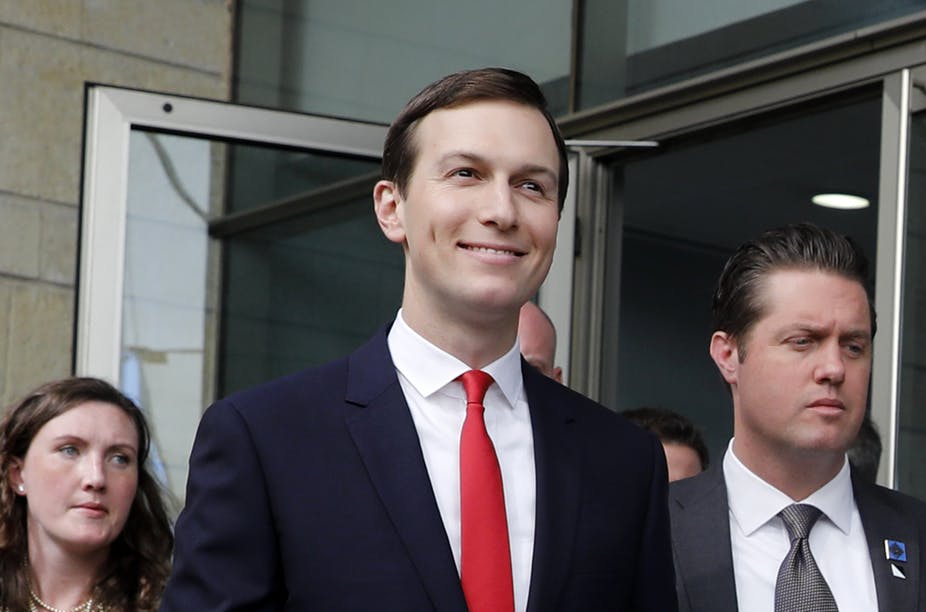
On Sunday, Witkoff and Trump adviser Jared Kushner met with European and Ukrainian officials in Miami, followed by a separate session with the Ukrainian delegation led by senior official Rustem Umerov. According to Witkoff, the U.S.-Ukraine discussions focused on four core issues: further development of a U.S.-drafted 20-point peace plan, multilateral security guarantees, direct U.S. security commitments to Ukraine, and economic rebuilding and long-term prosperity.
Negotiators also concentrated on timelines and the sequencing of future steps, an issue seen as critical for maintaining momentum. While U.S., Ukrainian, and European officials have reported progress on security guarantees for Kyiv, it remains unclear whether Moscow will accept those terms.
Meanwhile, U.S. intelligence assessments continue to suggest that President Putin has not fully abandoned his territorial ambitions in Ukraine. Senator Lindsey Graham said it remains uncertain whether Russia will accept the current proposal, warning that a rejection could lead to tougher measures, including seizing ships carrying sanctioned Russian oil.
As diplomatic efforts intensify, the outcome of these talks could shape the next phase of the Russia-Ukraine war and broader European security.







