


 Google Expands AI Partnership With Singapore Government
  OpenAI Expands Globally with First Overseas AI Lab in Singapore
  Nvidia Beats Earnings Expectations as AI Demand Drives Record Growth
  SpaceX IPO Nears as Goldman Sachs Set to Lead Historic $75 Billion Offering
  Lam Research Expands AI-Powered Semiconductor Tools and Arizona Operations
  Samsung Shares Surge After Strike Deal Eases Labor Tensions
  OpenAI Eyes IPO Filing as Early as This Week Amid Rising AI Competition
  Stellantis CEO Antonio Filosa to Reveal Turnaround Strategy Focused on U.S. Sales and China Partnerships
  SoftBank Shares Surge as OpenAI IPO Buzz and SB Energy Filing Boost AI Optimism
  Anthropic Revenue Surge Signals Strong AI Market Momentum in 2026
  Analog Devices Nears $1.5B Acquisition of AI Chip Firm Empower Semiconductor
  X Corp Loses Legal Battle Over Australia Child Safety Fine
  Samsung Union Talks Enter Final Stage as Strike Threat Looms
  Mistral AI Acquires Emmi AI to Expand Industrial AI Solutions in Europe
  TSMC Stake Sale Sends Vanguard Semiconductor Shares Lower
  SpaceX Delays Starship V3 Launch Ahead of Potential Record IPO


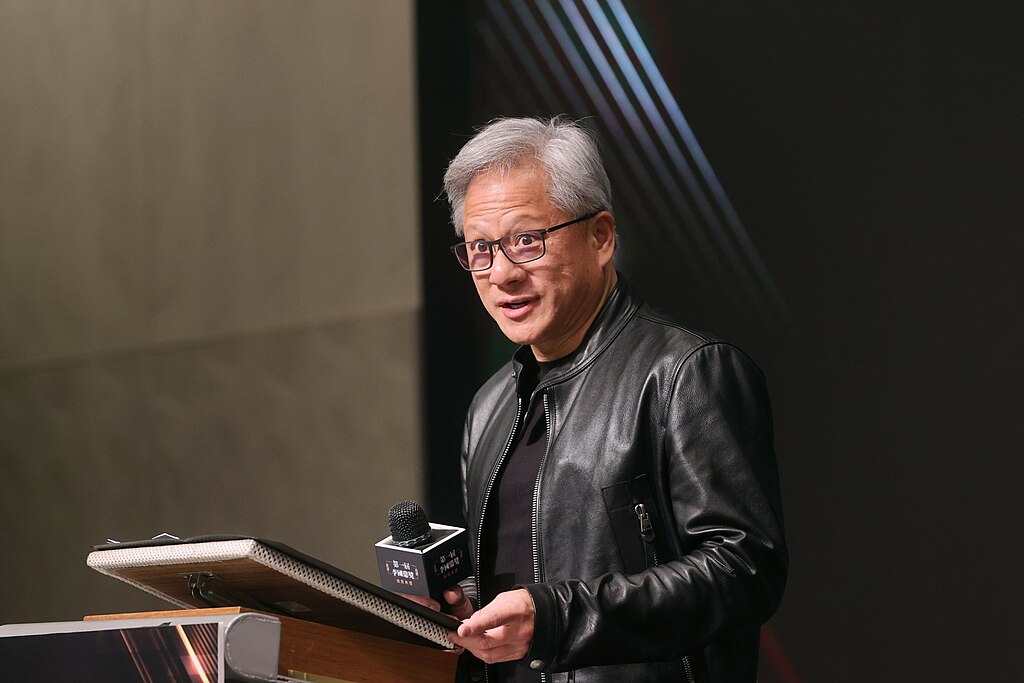
The U.S. Department of Energy has announced that its upcoming "Doudna" supercomputer, set to launch in 2026, will be powered by advanced technology from Nvidia (NASDAQ: NVDA) and Dell (NYSE: DELL). Named after Nobel laureate Jennifer Doudna, a pioneer in CRISPR gene-editing, the system will be located at Lawrence Berkeley National Laboratory in California.
Doudna will utilize Nvidia’s next-generation Vera Rubin AI chips, integrated into liquid-cooled servers provided by Dell. The system is expected to support more than 11,000 researchers across disciplines, from biology and chemistry to physics. At the unveiling event, U.S. Energy Secretary Chris Wright emphasized that the supercomputer will “advance scientific discovery” across numerous fields.
Jennifer Doudna acknowledged the importance of the Department of Energy’s support in her early CRISPR research, noting that science is now at a unique intersection between biology and computing. Nvidia CEO Jensen Huang echoed this sentiment, describing supercomputers as “humanity’s most vital instruments” for both innovation and national security. He stressed their role in U.S. technological leadership and in maintaining the nuclear weapons program.
The announcement came amid growing political scrutiny over Nvidia’s international operations. Just a day earlier, Huang praised former President Donald Trump while criticizing U.S. export restrictions on AI chips to China, which have significantly impacted Nvidia’s revenue. Senators Jim Banks and Elizabeth Warren recently expressed national security concerns over Nvidia’s planned R&D facility in Shanghai. Senator Tom Cotton warned on social platform X that companies violating export controls would face consequences.
As global demand for AI and supercomputing rises, the Doudna project highlights the strategic importance of U.S.-based high-performance computing infrastructure in both science and defense.







