


 Israel Strikes Gaza Near Hospital as Uncertainty Grows Over Hamas Disarmament Deal
  Spain Installs Floating Barrier as Ceuta Migrant Crossings Halt After Deadly Surge
  EEOC Drops Penn Subpoena in Antisemitism Probe, Investigation Continues
  Appeals Court Rejects Trump Bid to Reinstate $100,000 H-1B Visa Fee
  South Korea Reviews Border Drone Incident After Troops Mistake U.S. Aircraft for Potential Threat
  Is Netanyahu’s star waning in Washington? His latest meeting with Trump suggests it may be
  Global Leaders Push Back as Trump Imposes New Forced Labor Tariffs
  South Korea’s Coupang Fine Sparks U.S. Criticism, Raising Concerns Over Bilateral Ties
  Suez Canal Shipping Faces New Risk After Drone Strike on Gas Tankers in Egypt
  Trump Tightens China Sourcing Rules for U.S. Defense Contractors
  Ukraine F-16 Fighter Jet Crashes During Mission, Pilot Ejects Safely
  Warner Bros. Discovery Shares Rise as Newsom Pushes Settlement in $110 Billion Merger Fight
  Oman Proposes Strait of Hormuz Plan as U.S. Rejects Iran Shipping Fee Idea
  FAA Proposes Inspections for Boeing 737 MAX Passenger Seats Over Installation Concern
  US-Backed Pediatric HIV Treatment Drops After Foreign Aid Changes, Study Finds
  Brazil Supreme Court Approves Probe Into Lula’s Son Over Health Ministry Lobbying Claims


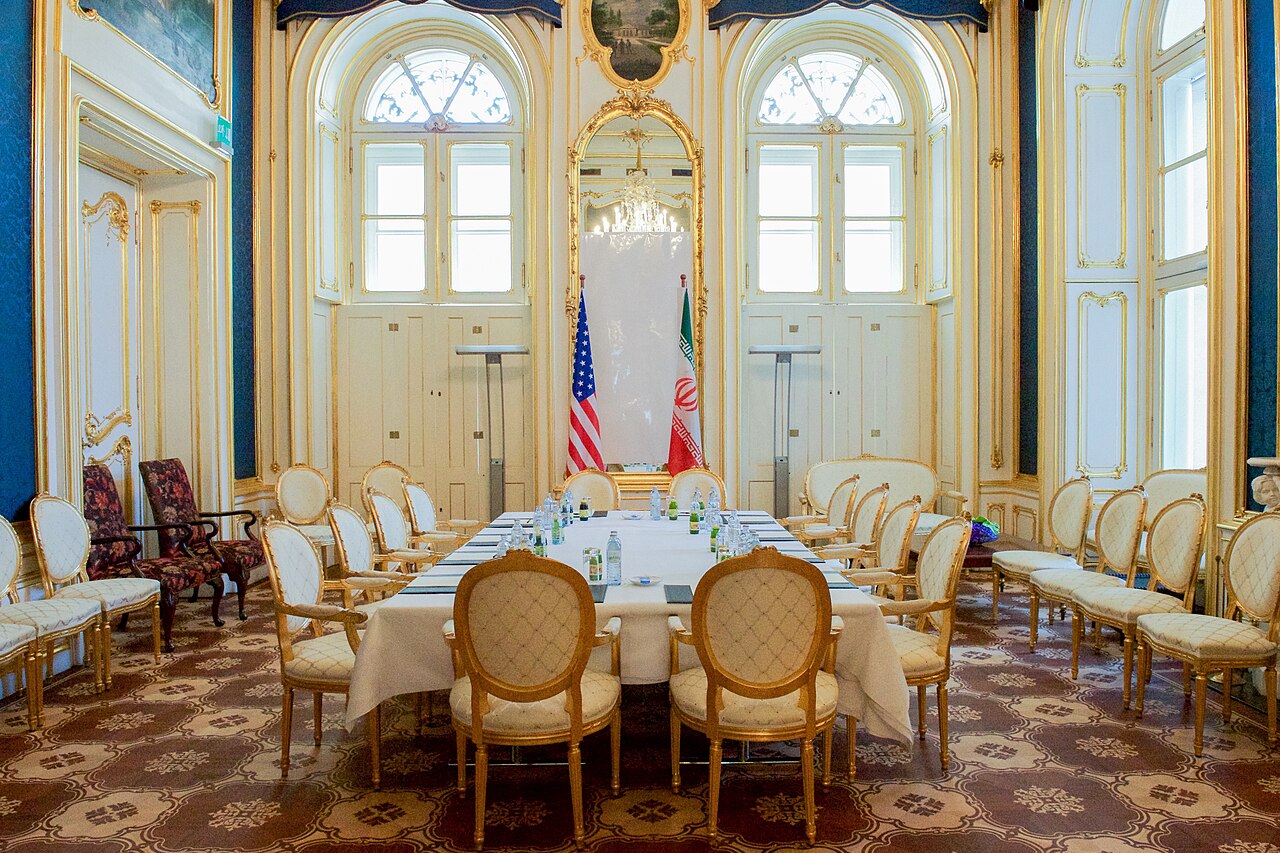
The United States has issued emergency security alerts across several Middle Eastern diplomatic missions, urging American citizens to consider leaving the region as tensions with Iran continue to rise. U.S. embassies in Baghdad, Jerusalem and Amman, along with the U.S. Mission to the United Arab Emirates, warned of potential flight disruptions, airspace closures and heightened security risks.
The alerts cautioned that Iran and its affiliated groups could target U.S. citizens, businesses and interests worldwide, including in countries that have not previously experienced such attacks. The U.S. Embassy in Amman issued additional guidance advising Americans to avoid military bases in Jordan and warned that Iranian attacks have affected civilian infrastructure, including airports, hotels and other public facilities.
The warnings come as reports indicate that Gen. Alexus Grynkewich, commander of U.S. European Command, informed Pentagon officials that current naval resources are insufficient to simultaneously defend Israel and the U.S. homeland without additional military support.
Regional tensions intensified after Kuwait said its air defense systems intercepted Iranian drones targeting a government facility and civilian vehicles. Kuwait condemned the incident as a violation of its sovereignty, while Bahrain also criticized Iran over repeated attacks on civilian infrastructure.
Iranian officials responded with strong warnings, stating that any Gulf nation assisting U.S. military operations would face severe consequences. Iranian security officials also said Tehran has prepared a broad retaliation plan should Washington strike its territory, including potential attacks on Israeli and U.S. energy infrastructure in the region.
According to media reports, the Trump administration is weighing possible strikes on Iranian oil refineries and power plants. White House Press Secretary Karoline Leavitt said Iran would continue facing pressure until it agreed to negotiations under U.S. terms. President Donald Trump also claimed on Truth Social that U.S. sanctions were weakening Iran's currency while American oil exports were reaching record levels.
Elsewhere, Israel said it killed several Hezbollah fighters in southern Lebanon during overnight operations. An LNG tanker carrying Qatari cargo was reportedly struck while transiting the Strait of Hormuz, though no environmental damage was reported. Meanwhile, Türkiye and Iraq signed a one-year agreement to continue operating the Kirkuk-Ceyhan oil pipeline while working to significantly expand its export capacity.







