


 Scott Bessent Eyed as Trump’s New AI Czar
  Macron Challenges Trump’s Gaza Peace Claims at UN
  Vietnam, US Trade Deal Could Be Signed Soon, To Lam Says
  Zelenskiy Meets CIA Chief John Ratcliffe at Ireland’s Shannon Airport
  Burnham Eyes UK Leadership Role in AI Ahead of Trump Meeting
  US, Japan and South Korea Back Taiwan Ahead of Trump-Xi Summit
  Kremlin Says No Grounds Yet for Ukraine Peace Talks
  Trump Says U.S.-Iran Peace Deal Near After UN Talks
  Trump Scales Back Endangered Species Act Protections
  Trump to Press Xi on Release of US Nuclear Expert Held in China
  Trump Administration Prepares Sanctions Against Entire ICC
  Zelenskiy Warns Russia Preparing Major Attack on Ukraine
  Lula Meets Mamdani in New York as Elections Approach
  US Plans Two New Military Bases in Greenland Under Arctic Deal
  China Tightens Fentanyl Rules Ahead of Trump-Xi Summit
  US, Denmark and Greenland Set to Sign Arctic Security Deal
  UK, Mauritius Seek Diego Garcia Base Deal


 Add as a preferred source on Google
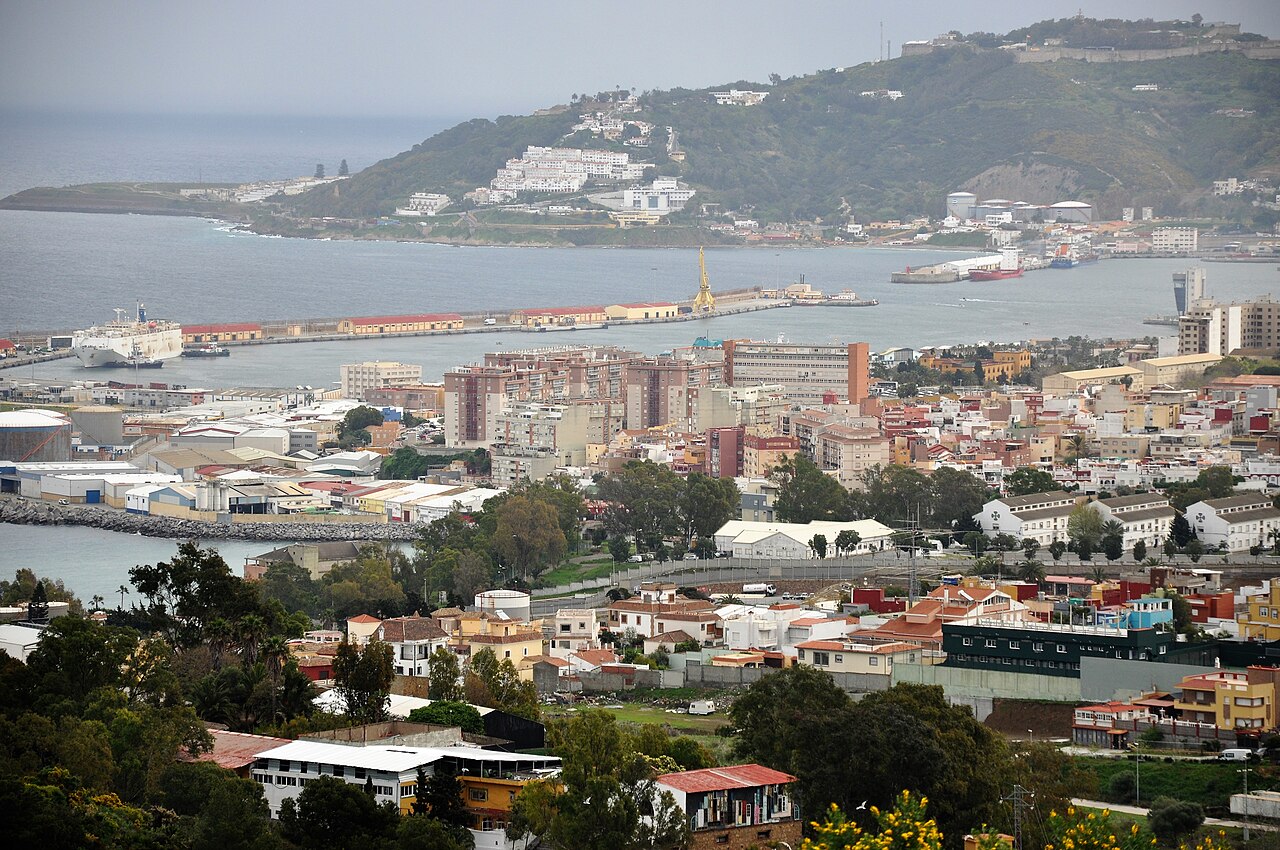
Spain said migrant crossings into its North African enclave of Ceuta came to a halt overnight as authorities began installing a 500-metre floating barrier along the border with Morocco following a deadly mass migration that left at least 67 people dead.
Spanish officials said around 50,000 migrants crossed into Ceuta by land and sea beginning Thursday, marking one of the largest migration surges ever recorded at the European Union’s land border with Africa. Authorities added that more than 48,000 migrants had already returned to Morocco within 48 hours.
The new inflatable barrier, installed by Spain’s Civil Guard, stretches across the Tarajal breakwater, a key crossing point into Ceuta. Supported by anchored buoys, the structure rises between 30 and 70 centimetres above the water and extends up to one metre below the surface. A patrol channel has also been created to allow security vessels to monitor the area.
The migrant crisis has sparked concern across the European Union. Twenty-two EU member states have urged coordinated action to strengthen the bloc’s external borders, while Ireland, which currently holds the rotating EU presidency, has scheduled an emergency meeting of interior ministers to address the situation.
Spanish Prime Minister Pedro Sanchez also criticized Italy’s temporary suspension of Schengen travel arrangements with Spain, calling the move divisive and inconsistent with European cooperation during a shared migration challenge.
Authorities confirmed that at least 67 bodies had been recovered after migrants drowned or were crushed while attempting to scale border infrastructure. Spanish Interior Minister Fernando Grande-Marlaska blamed human-smuggling networks for exploiting vulnerable migrants and spreading misinformation about Spain’s migration policies. He stressed that Morocco remains a reliable partner and said there had been no prior intelligence warning of the mass crossing.
Although officials said order was restored within 24 hours and overnight crossings had nearly stopped, additional police and military forces will remain deployed. Spain’s Civil Guard union has requested at least 200 more officers, warning that migrants could still attempt to bypass the floating barrier by swimming around it.
Madrid also emphasized that migrants who entered Ceuta irregularly cannot travel freely to mainland Spain or the wider Schengen Area. The government rejected claims that its residency regularization program encouraged the surge, noting applicants must prove they were living in Spain before January 1, 2026, and meet continuous residency requirements.







