


 Marco Rubio to Meet Russia’s Lavrov in New York
  CNN, MS NOW and Politico Sue Trump Over White House Media Ban
  Zelenskiy Warns Russia Preparing Major Attack on Ukraine
  Trump Says U.S.-Iran Peace Deal Near After UN Talks
  Vietnam, US Trade Deal Could Be Signed Soon, To Lam Says
  UK, Mauritius Seek Diego Garcia Base Deal
  China Tightens Fentanyl Rules Ahead of Trump-Xi Summit
  Carney Condemns Belleville Synagogue Shooting That Wounded Police Officer
  Kremlin Says No Grounds Yet for Ukraine Peace Talks
  Russian Strikes Kill Eight Across Ukraine as Energy Sites Hit
  Trump to Press Xi on Release of US Nuclear Expert Held in China
  US, Denmark and Greenland Set to Sign Arctic Security Deal
  Trump Administration Prepares Sanctions Against Entire ICC
  Zelenskiy Meets CIA Chief John Ratcliffe at Ireland’s Shannon Airport
  Burnham Eyes UK Leadership Role in AI Ahead of Trump Meeting
  Lula and Flavio Bolsonaro Tied in Brazil Runoff Poll
  Macron Challenges Trump’s Gaza Peace Claims at UN


 Add as a preferred source on Google
A drone strike that ignited fires aboard two gas vessels at Egypt's Damietta port has heightened concerns over the security of the Suez Canal, one of the world's most important energy shipping routes, as the U.S.-Iran conflict continues to disrupt global trade.
Egypt's cabinet said an unidentified drone struck two vessels near the Mediterranean port on Wednesday, triggering fires. Sources familiar with the incident said the attack initially hit the U.S.-owned gas storage tanker Energos Winter, with the blaze later spreading to a second vessel. No group has claimed responsibility, while Iran denied involvement.
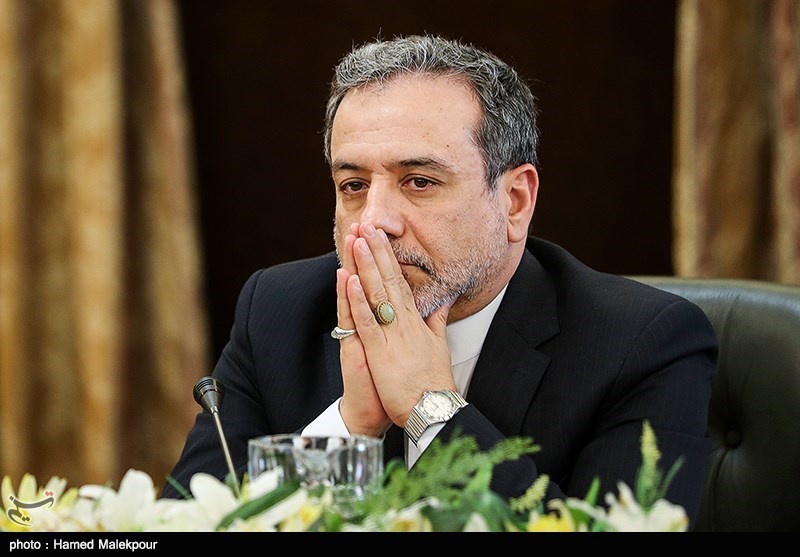
Iranian Foreign Minister Abbas Araqchi stressed that Egypt's security remains important to Tehran and accused Israel of attempting to destabilize the region through alleged "false-flag operations." Israel has not commented on the allegation.
The incident adds fresh pressure on maritime security after months of disruption in the Strait of Hormuz, where the ongoing conflict has severely reduced commercial shipping. Before the war, the strategic waterway handled roughly one-fifth of global oil and liquefied natural gas exports, making it a critical chokepoint for international energy markets.
The latest attack also raises concerns for Saudi Arabia's oil exports. As traffic through Hormuz remains constrained, more Saudi crude shipments have been rerouted through the Red Sea toward the Suez Canal and Egypt's SUMED pipeline, according to Kpler data. While the route helps maintain exports, shipments bound for Asia often require a longer voyage around Africa.
Shipping risks have increased further after Iran-backed Houthi forces declared a maritime embargo against Saudi Arabia on July 20. The move prompted London's marine insurance market to expand its Red Sea high-risk zone, covering additional waters near Saudi ports. In response, Saudi Arabia announced plans for a multinational maritime defense coalition aimed at protecting commercial shipping and regional energy supply routes.
Meanwhile, diplomatic efforts continue. Oman has proposed a Gulf-backed framework for managing traffic through the Strait of Hormuz, including voluntary transit fees. Although Iran has publicly rejected the proposal, Tehran confirmed discussions with Oman remain ongoing.
Regional tensions also intensified after Saudi Arabia joined U.S. strikes against Iran-aligned groups in eastern Iraq, citing retaliatory action over alleged drone attacks on Saudi energy infrastructure. Iraq's government said it neither approved nor had prior knowledge of the military operation, underscoring fears that the conflict is expanding across the Middle East.







