


 Ukrainian Drone Attacks Hit Russian Regions, Injuring at Least 12
  China Reviews Broadcom Switch Use in State Data Centres
  U.S. Imposes New Visa Restrictions Over South Africa Policies
  What ‘Taiwan Independence’ Means as Xi Presses Trump on US Policy
  DOJ Will Investigate AI-Related Crimes, Attorney General Blanche Says
  FDA Weighs Safety Standards for Psychedelic Therapies
  Sudan Rejects US Legitimacy Remarks, Defends Sovereignty
  US Northeast Airports Resume Operations After Telecom Outage Disrupts Thousands of Flights
  Synthetic data could ease people’s concerns about privacy breaches. But who gets to create it?
  Australia Tightens Student Visa Rules, Targets Migration Cut by 2028
  Netanyahu’s Brief US Trip Highlights Strains With Trump
  Najib Razak Seeks Stay of 15-Year 1MDB Prison Sentence
  Judge Orders Trump to Restore White House Access for CNN, MS NOW and Politico
  France Defends Netanyahu Airspace Clearance Despite ICC Warrant
  Ghana Says Western Support Growing for Slave Trade Reparations
  Judge Blocks Trump Rule Limiting Foreign Student Visas
  Trump Scales Back Endangered Species Act Protections


 Add as a preferred source on Google
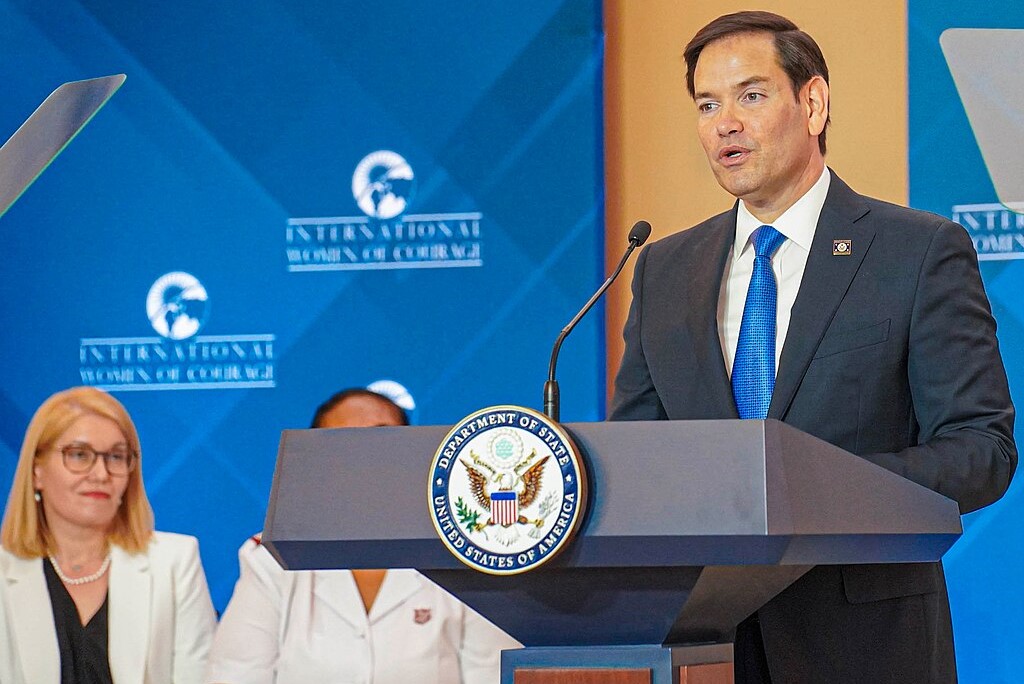
U.S. Secretary of State Marco Rubio has directed American diplomats worldwide to refrain from commenting on the fairness or legitimacy of foreign elections, marking a significant shift in U.S. foreign policy. In a July 17 internal State Department cable obtained by Reuters, Rubio emphasized that the U.S. will no longer issue statements or social media posts on foreign elections unless there's a “clear and compelling” national interest.
The cable, labeled "sensitive," instructs diplomats to focus solely on congratulating winning candidates and highlighting shared foreign policy interests. It bars comments on the democratic integrity or legitimacy of elections and prohibits any such messages without prior approval from senior leadership. Only the Secretary of State or the Department spokesperson is authorized to make election-related remarks.
This directive aligns with President Donald Trump's May 13 speech in Riyadh, where he criticized Western interference in Middle Eastern governance and pledged to prioritize strategic partnerships over democracy promotion. The administration maintains it will uphold U.S. democratic values but will no longer impose them abroad.
A State Department spokesperson confirmed the approach is consistent with Trump’s focus on national sovereignty. Critics argue this move further distances the U.S. from its long-standing role in promoting human rights and democratic standards, especially amid ongoing restructuring of the State Department’s human rights bureau.
While the administration has refrained from criticizing flawed elections abroad, it has selectively supported right-wing figures in Europe, accusing governments in France, Germany, and Romania of suppressing dissent, particularly around anti-immigration stances. This marks a broader ideological pivot from traditional U.S. diplomacy toward a more transactional and nationalist foreign policy model.







