


 Marco Rubio Seeks Gulf Support for U.S.-Iran Peace Deal Amid Regional Concerns
  Pelosi Discloses Major Intel and Uber Call Option Purchases Worth Up to $6 Million
  Young Brazilian Voters Shift Right Ahead of 2026 Election
  U.S. Eases Iran Team Travel Restrictions Ahead of Seattle World Cup Match
  Trump Administration Rejects Claims of Rift Between JD Vance and Marco Rubio on Iran Policy
  Bessent Says U.S. Must Strengthen Supply Chains and Economic Security
  Peru Election Dispute Deepens as Roberto Sanchez Rejects Runoff Results
  US Senate Approves War Powers Resolution Urging Trump to End Iran Military Action
  Johns Hopkins University Lays Off 110 Employees as Federal Research Funding Declines
  Trump Requests $11 Billion More in Farm Aid as Rising Costs Pressure U.S. Farmers
  US Mobilizes Aid After Powerful Earthquakes Devastate Venezuela
  US Seeks Gulf Support for Iran Peace Deal Amid Regional Tensions
  NATO Chief Tries to Ease Trump Alliance Dispute
  US Supreme Court Strikes Down Hawaii Gun Carry Law on Private Property
  Iran Attack in Strait of Hormuz Pushes Oil Prices Higher
  ICC Judges Sue Trump Administration Over Sanctions, Calling Measures Unlawful
  Trump Orders DOJ Investigation Into Exxon, Chevron Over High Gas Prices


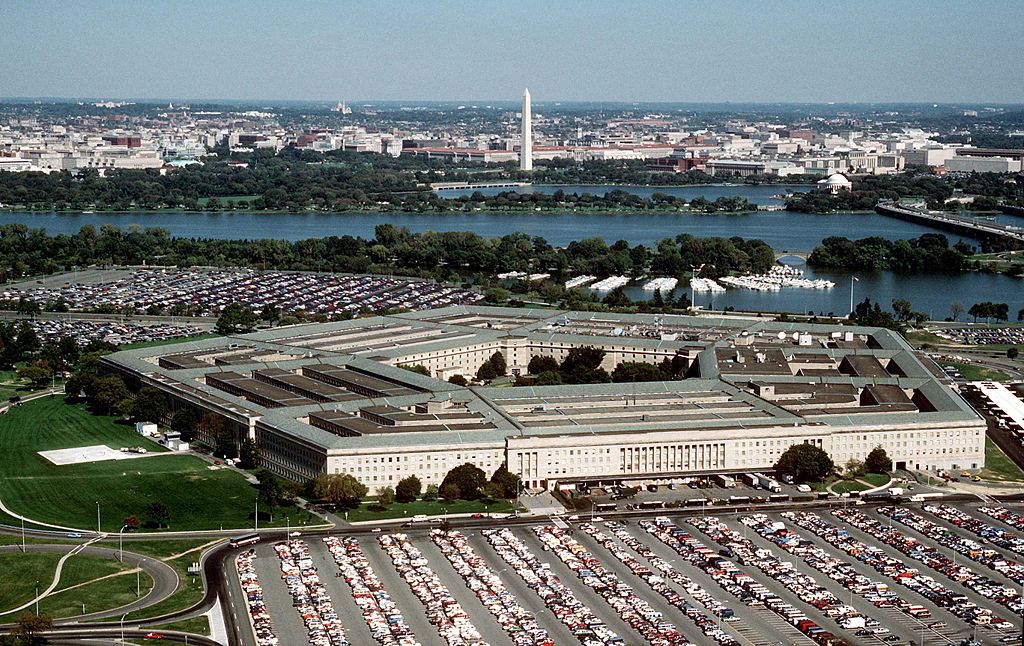
The Trump administration has intensified its military presence in the Caribbean by deploying the USS Gerald R. Ford aircraft carrier group to Latin America—a move marking one of Washington’s most assertive regional actions in years. The Pentagon confirmed that the enhanced U.S. deployment, including eight warships, a nuclear submarine, and F-35 fighter jets, aims to combat narcotics trafficking and strengthen security in the Western Hemisphere.
Pentagon spokesperson Sean Parnell stated that the expanded U.S. force within the USSOUTHCOM area of responsibility would bolster America’s capacity to detect and disrupt illicit activities threatening U.S. safety and prosperity. Although no timeline was given, the Ford was last reported crossing the Strait of Gibraltar en route to the region. Commissioned in 2017, the Ford is the world’s largest and most advanced aircraft carrier, housing over 5,000 sailors and more than 75 aircraft including F/A-18 Super Hornets and E-2 Hawkeye radar planes.
Since early September, U.S. forces have launched 10 strikes against suspected drug vessels, killing around 40 individuals, some identified as Venezuelans. The operation underscores growing tensions with Venezuelan President Nicolás Maduro, who accused Washington of seeking to overthrow his government. Maduro warned that any U.S. intervention would provoke a nationwide uprising. In response, the U.S. recently doubled its bounty on Maduro to $50 million, alleging links to drug trafficking—claims he denies.
The move also sparked friction with Colombian President Gustavo Petro, whom Trump labeled a “drug leader,” prompting diplomatic backlash. Defense Secretary Pete Hegseth emphasized that the expanded operation would dismantle transnational criminal networks. Critics, however, questioned the legality of the strikes under international law. With limited carriers available, the Ford’s redeployment highlights the escalating geopolitical stakes in Latin America and the U.S.’s renewed focus on regional dominance through military deterrence.







