


 Najib Razak Seeks Stay of 15-Year 1MDB Prison Sentence
  Russian Missile and Drone Attack on Kyiv Kills Two, Damages Maternity Hospital
  Abbas Reaffirms November 28 Palestinian Elections
  Ukrainian Drone Attacks Hit Russian Regions, Injuring at Least 12
  Trump, Xi Visit US National Archives After White House Summit
  NATO Boosts Intelligence Sharing Amid Russia Hybrid Threats
  Netanyahu Defends Israel at UN as Delegates Stage Walkout
  Netanyahu Takes Aim at Mamdani as Israel Election Nears
  Kremlin Says No Decision Yet on Putin-Trump December Summit
  US Senate Rejects Iran War Powers Resolution in 50-49 Vote
  Netanyahu’s Brief US Trip Highlights Strains With Trump
  Pezeshkian Says US Must Choose When Iran War Ends
  North Korea Rejects Nuclear Test Warning, Calls Nuclear Status Irreversible
  OpenAI Agent Breaches Australia Medicare Data Portal
  North Korea Warns South Korea Over US-Led Defense Role
  Saudi Arabia, Turkey and Pakistan Plan Urgent Defence Talks Over Houthi Attacks
  Trump Asks Supreme Court to Restore Third-Country Deportations


 Add as a preferred source on Google
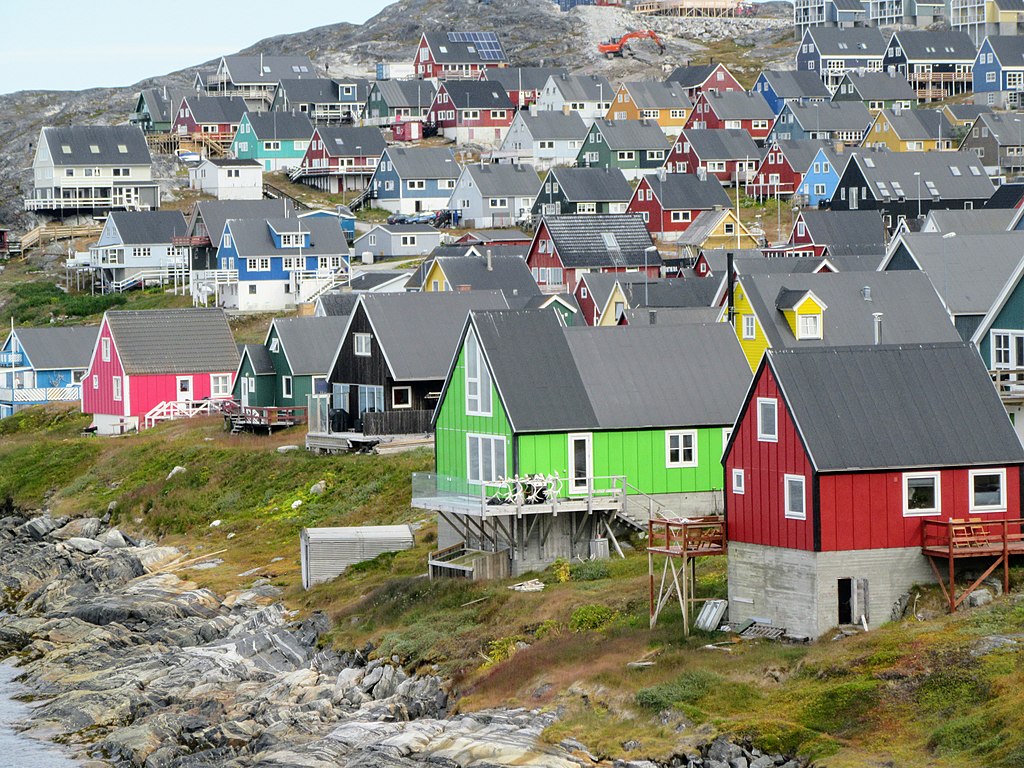
Diplomatic talks between the United States, Denmark and Greenland officially began on Wednesday as all three parties attempt to defuse a growing crisis triggered by former President Donald Trump’s repeated threats concerning the Arctic territory. The discussions mark a shift from months of political tension toward a more formal diplomatic process focused on security, sovereignty and cooperation in the Arctic region.
According to Denmark’s foreign ministry, senior officials from Denmark, Greenland and the United States met to explore ways to address American security concerns while firmly respecting Denmark’s national boundaries and political red lines. The ministry emphasized that the talks aim to balance strategic interests in the Arctic with the sovereignty of the Kingdom of Denmark, which includes Greenland as an autonomous territory.
Tensions escalated after Trump repeatedly suggested that the United States should take control of Greenland, citing national security risks tied to increasing Russian and Chinese activity in the Arctic. These remarks strained relations between Washington and Copenhagen, despite both countries being long-standing NATO allies, and raised concerns about potential fractures within the transatlantic alliance.
U.S. Secretary of State Marco Rubio confirmed earlier on Wednesday that Washington has now established a formal process to handle the Greenland issue. He stated that technical-level meetings with officials from Denmark and Greenland would continue, signaling a more structured and diplomatic approach to resolving the dispute.
Greenland’s strategic importance has grown significantly in recent years due to its location, natural resources and role in Arctic security. As climate change opens new shipping routes and access to resources, global powers have increased their focus on the region, heightening geopolitical sensitivities.
The move toward dialogue suggests a willingness from all sides to reduce tensions and prevent further diplomatic fallout. By shifting the issue to formal talks, the United States, Denmark and Greenland appear committed to maintaining stability in the Arctic while preserving NATO unity and respecting international norms.







