


 Judge Blocks Trump Rule Limiting Foreign Student Visas
  What ‘Taiwan Independence’ Means as Xi Presses Trump on US Policy
  US Bans Canadian Alcohol, Motorcycles as Trade War Escalates
  Ghana Says Western Support Growing for Slave Trade Reparations
  DOJ Will Investigate AI-Related Crimes, Attorney General Blanche Says
  U.S. Imposes New Visa Restrictions Over South Africa Policies
  North Korea Rejects Nuclear Test Warning, Calls Nuclear Status Irreversible
  Kremlin Says No Decision Yet on Putin-Trump December Summit
  FDA Weighs Safety Standards for Psychedelic Therapies
  Trump Scales Back Endangered Species Act Protections
  US Resumes Immigrant Visa Processing for Hungary, Poland
  North Korea Warns South Korea Over US-Led Defense Role
  US Immigration Arrests Surge as Deportations Lag Behind
  Trump Administration Removes Confederate Memorial Criticism From Arlington Website
  Mexico-US Trade Talks Delayed to October as Tariff Negotiations Continue
  Appeals Court Rejects Trump Third-Country Deportation Policy
  Taiwan Thanks US for Support Ahead of Trump-Xi Summit


 Add as a preferred source on Google
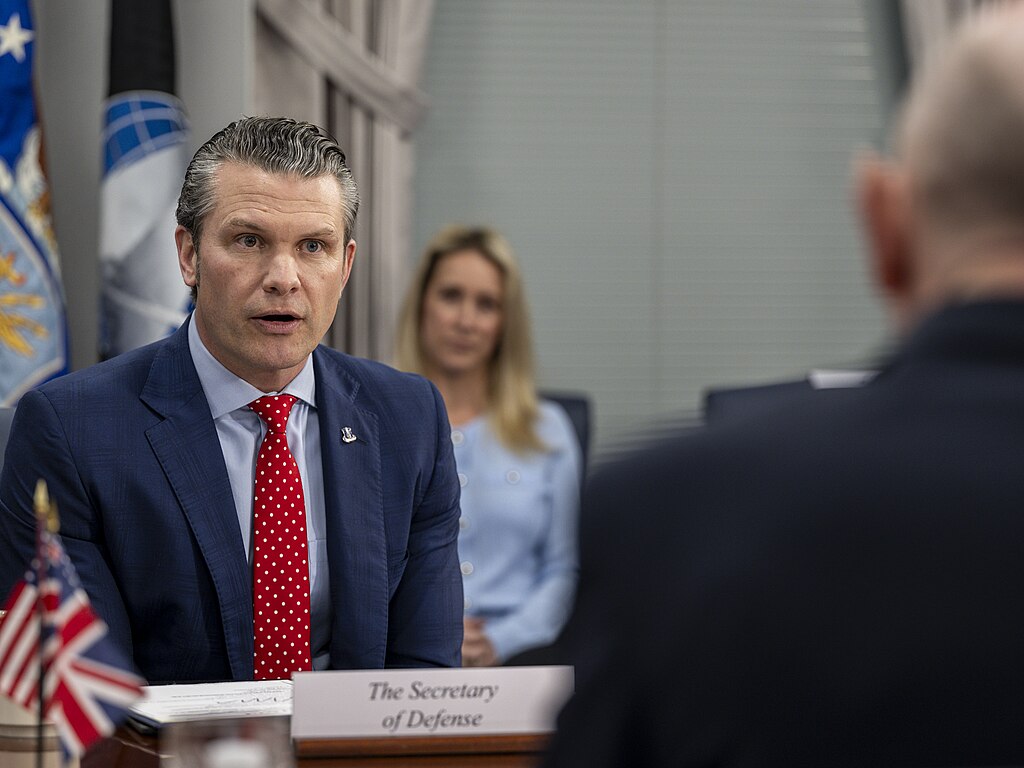
U.S. Defense Secretary Pete Hegseth announced Tuesday the cancellation of the Women, Peace, and Security (WPS) program, originally enacted by President Donald Trump in 2017 to promote women’s participation in global peace and conflict resolution efforts. Hegseth labeled the initiative as “woke” and a distraction from core military objectives, stating on X that it overburdens troops and commanders. He pledged to scale the program back to the minimum required by law and seek its full elimination in the next budget cycle.
The WPS Act was the first legislation of its kind globally, establishing the U.S. as the first country with a comprehensive legal framework supporting women's roles in national security. It received bipartisan backing, with current Secretary of State Marco Rubio and Homeland Security Secretary Kristi Noem co-sponsoring the bill during their time in Congress. Mike Waltz, now Trump’s national security advisor, also helped champion the law.
Despite the initiative’s origins under the first Trump administration, Hegseth claimed—without evidence—that the Biden administration had “distorted and weaponized” the WPS program. Since taking office, Hegseth has led a rollback of diversity, equity, and inclusion (DEI) efforts at the Pentagon, including ending cultural observances like Black History Month and removing select books from military academies.
The United Nations, which first adopted a resolution on women, peace, and security in 2000, reaffirmed its commitment to the cause. U.N. spokesperson Stephane Dujarric emphasized that women continue to be sidelined in peace processes, undermining global stability.
The move underscores growing partisan divides over the role of DEI and gender-focused policies in U.S. defense strategy.







