


 Asian Stocks Fall as Bond Yields Surge Ahead of Trump-Xi Summit
  Trump, Xi Focus on Trade and AI at White House Summit
  China’s ‘Lipstick King’ Says AI Won’t Replace Livestream Hosts
  US Stock Futures Fall as Treasury Yields Surge Ahead of Trump-Xi Summit
  Russian Envoy Dmitriev Heads to US for Ukraine Talks
  U.S. Treasury Yields Surge as 30-Year Hits 22-Year High
  Russian Missile and Drone Attack on Kyiv Kills Two, Damages Maternity Hospital
  Kremlin Says No Decision Yet on Putin-Trump December Summit
  US Backs Musk in Fight Against EU’s €120 Million X Fine
  European Stocks Fall as Bond Yields and Geopolitical Risks Weigh
  Fed Unveils Stablecoin Rules Under GENIUS Act
  US Senate Rejects Iran War Powers Resolution in 50-49 Vote
  Saudi Arabia, Turkey and Pakistan Plan Urgent Defence Talks Over Houthi Attacks
  Abbas Reaffirms November 28 Palestinian Elections
  EU Defence Build-Up Too Slow for 2030 Russia Readiness Goal
  Taiwan Thanks US for Support Ahead of Trump-Xi Summit
  Japan Private-Sector Growth Slows as Domestic Demand Weakens


 Add as a preferred source on Google
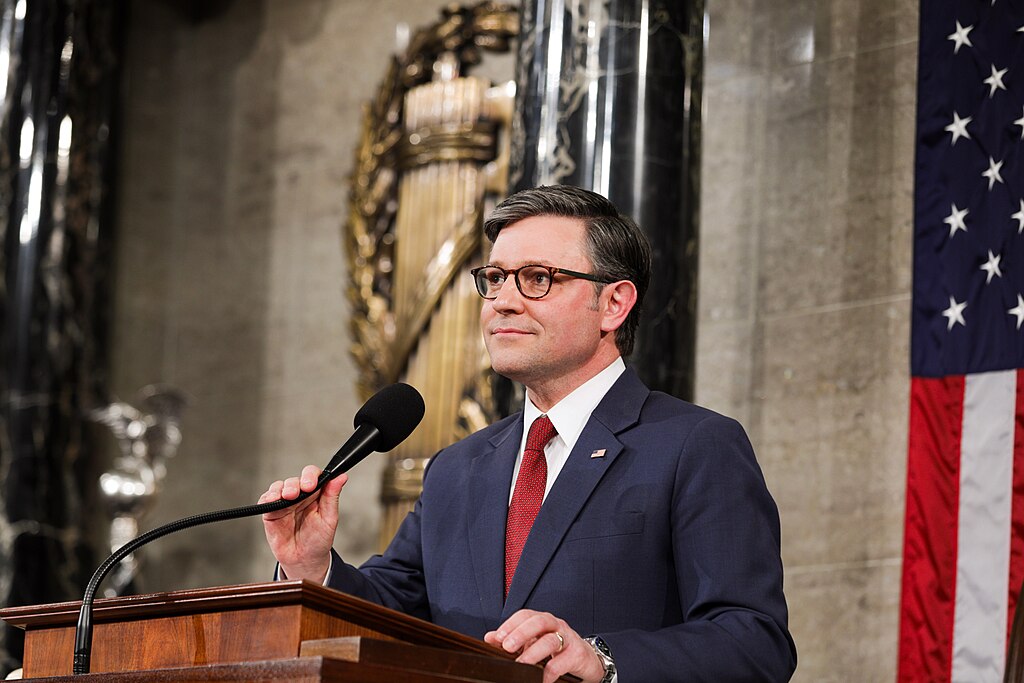
U.S. lawmakers have introduced a sweeping annual defense policy bill that authorizes a historic $901 billion in national security spending for fiscal year 2026—surpassing President Donald Trump’s original budget request. The 3,000-page National Defense Authorization Act (NDAA) includes a 4% pay raise for enlisted service members and allocates $400 million in military assistance to Ukraine, solidifying America’s continued support amid global tensions.
Although the legislation covers a wide array of defense priorities—from weapons procurement to countering strategic competitors like China and Russia—it omits a bipartisan proposal aimed at boosting housing construction for military personnel, a measure some lawmakers expected to be included. House Speaker Mike Johnson praised the bill, stating it advances Trump’s agenda by eliminating “woke ideology” from the Pentagon, reinforcing the U.S.–Mexico border, and strengthening the defense industrial base.
The final compromise reconciles earlier versions passed by the Republican-led House and Senate. Trump requested a flat $892.6 billion defense budget for 2026, but the Senate sought $925 billion. While the NDAA authorizes programs across the Department of Defense and related agencies, actual funding will require separate appropriations legislation before the fiscal year ends in September 2026.
This year’s bill also repeals the long-standing 1991 and 2002 authorizations for military force in Iraq, marking a significant policy shift. Additionally, it addresses controversial issues such as diversity and inclusion programs while approving troop deployments to the southern border to combat illegal immigration and drug trafficking.
Despite being considered “must-pass” legislation, the NDAA faced unusually partisan debate. Some Democrats considered blocking the bill due to concerns over Trump’s use of the military in U.S. cities. Tensions eased after Senator Roger Wicker agreed to hold a hearing on the matter. Earlier in the year, Republican lawmakers also rejected Democratic attempts to restrict the deployment of U.S. forces domestically and to prevent the conversion of a Qatar-funded luxury jet into a version of Air Force One.
This finalized NDAA continues a decades-long tradition of congressional defense authorization, shaping U.S. national security policy for the coming year.







