


 Fed Unveils Stablecoin Rules Under GENIUS Act
  China Agrees to Buy 20 Million Tons of U.S. Coal
  Wall Street Ends Flat as Oil, Treasury Yields and Fed Jitters Rattle Markets
  Oil Prices Jump 3% as Houthi Attack Revives Supply Fears
  Dollar Falls as Oil Eases, Yen Jumps on Intervention Signals
  US Comfortable With Canada Trade Standoff as Import Bans Loom
  U.S. Dollar Hits Two-Month High as Oil, Treasury Yields Surge
  Canadian Dollar Faces Pressure as Fed-BoC Policy Gap Widens
  Asian Currencies Mixed as Dollar Holds Near Two-Month High
  Japanese Yen Rebounds as Trump Flags Currency Weakness
  UK PM Burnham to Unveil Economic Vision at Labour Conference
  Oil Prices Fall on U.S.-Iran Hormuz Deal Hopes
  Asian Stocks Fall as Bond Yields Surge Ahead of Trump-Xi Summit
  Gold Prices Fall as Treasury Yields Rise on Fed Rate Hike Bets
  Dollar Holds Near Two-Month High as Yen Approaches 160
  Gold Holds Near $4,275 as Rising Treasury Yields Fuel Fed Rate Hike Bets
  Japanese Bank Stocks Surge as Bond Yields Fuel Rate Hike Bets


 Add as a preferred source on Google
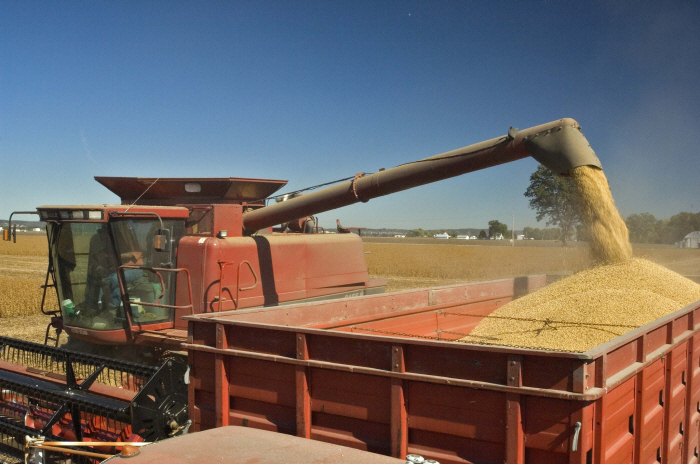
U.S. soybean exports could drop by 20% and farmer incomes may take a major hit if the U.S.-China trade dispute isn’t resolved soon, according to agribusiness consultancy AgResource. Despite a temporary truce in the trade war announced Monday, Chinese tariffs on U.S. soybeans—reduced from 145% to 10%—remain too high to make American soy competitive in the Chinese market, AgResource President Dan Basse told Reuters.
Without a comprehensive trade agreement, U.S. soybean exports may fall to 1.5 billion bushels from the previously estimated 1.865 billion. Soybean futures on the Chicago Board of Trade could slide to $9 per bushel, down from $10.60. Basse warned that a deal must be struck by late summer to prevent further losses in U.S. farm income, noting that “the clock is ticking.”
In a best-case scenario where tariffs are fully removed, soybean prices could climb to $13 a bushel. However, global competition is intensifying. Brazil, now the dominant soybean supplier to China, is poised to export an additional 20 million metric tons by September following a record harvest. Brazilian soybeans are cheaper and unaffected by tariffs, giving them a clear advantage.
China, the world’s largest soybean importer, currently sources around 70% of its soybean imports from Brazil. Meanwhile, the impact on other crops like corn and wheat is less severe but still notable. Corn prices could decline from $4.40 to $3.70 per bushel, while wheat may fall from $5.56 to $4.90 if the dispute drags on.
U.S. farmers remain concerned that the tariff pause alone won’t be enough to restore lost market share in China amid growing competition and global price pressures.







