


 US Stock Futures Fall as Treasury Yields Surge Ahead of Trump-Xi Summit
  Dollar Holds Near Two-Month High as Yen Approaches 160
  US Senate Rejects Iran War Powers Resolution in 50-49 Vote
  Mexico-US Trade Talks Delayed to October as Tariff Negotiations Continue
  Soybean Futures Slip as Traders Await Trump-Xi Trade Signals
  Netanyahu Takes Aim at Mamdani as Israel Election Nears
  NATO Boosts Intelligence Sharing Amid Russia Hybrid Threats
  Pezeshkian Says US Must Choose When Iran War Ends
  US, China Extend Trade Truce to Jan. 10 Ahead of Trump-Xi Summit
  South Korea, US Discuss Warship Building Cooperation
  Trump, Xi Focus on Trade and AI at White House Summit
  Najib Razak Seeks Stay of 15-Year 1MDB Prison Sentence
  RBI Uses $10 Billion Currency Swaps to Drain Excess Rupee Liquidity
  Wall Street Falls as Treasury Yields Surge, Oil Rebounds on Iran Tensions
  Ghana Says Western Support Growing for Slave Trade Reparations
  Trump Asks Supreme Court to Restore Third-Country Deportations
  Kremlin Says No Decision Yet on Putin-Trump December Summit


 Add as a preferred source on Google
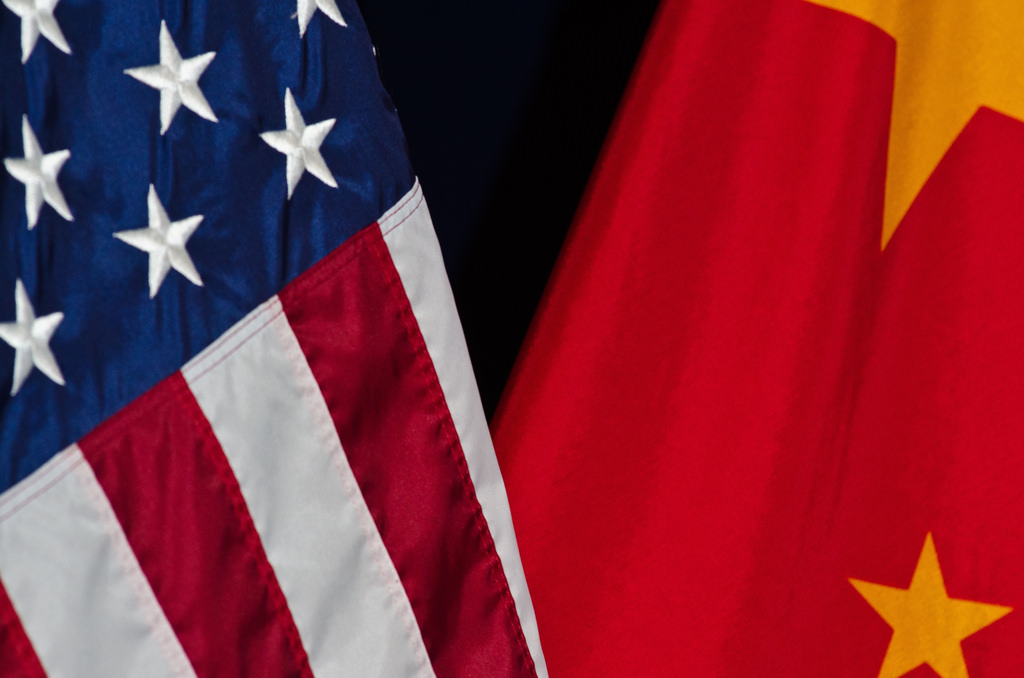
The latest US-China trade talks in London yielded limited progress, leaving key export control issues unresolved. While both sides agreed to ease tariffs—55% on Chinese goods and 10% on US goods—critical national security-linked export restrictions remain a major hurdle to a broader deal.
Sources familiar with the talks said Beijing refused to grant export licenses for specialized rare-earth magnets like samarium, essential for US military equipment including fighter jets and missile systems. In response, Washington continues to block China’s access to advanced artificial intelligence (AI) chips, citing their military applications.
China, which holds a near-monopoly on rare earth production and processing, linked the magnet exports to lifting AI chip restrictions—a new twist in the ongoing trade saga. Although Beijing agreed to fast-track export licenses for non-military U.S. firms and create a “green channel” for trusted companies, restrictions on military-grade materials remain intact.
President Donald Trump hailed the handshake deal as a win, despite unresolved issues. Treasury Secretary Scott Bessent ruled out any “quid pro quo” between AI chips and rare earth access. Still, US officials are considering extending existing tariffs for 90 days beyond the August 10 deadline set in Geneva, as key disputes persist.
Analysts remain skeptical. China’s limited concessions and its leverage over rare earths cast doubt on a long-term resolution. The Trump administration is reportedly preparing to justify future tariff hikes under Section 301 of the U.S. Trade Act in case of legal setbacks.
Experts warn that Beijing’s strategic control over critical minerals could continue to stall negotiations, making a comprehensive deal unlikely in the near term. The rare earth–AI chip standoff reflects deeper tensions in the geopolitical and tech rivalry between the world’s two largest economies.







