


 US Backs Musk in Fight Against EU’s €120 Million X Fine
  Russian Envoy Dmitriev Heads to US for Ukraine Talks
  NATO Boosts Intelligence Sharing Amid Russia Hybrid Threats
  EU Defence Build-Up Too Slow for 2030 Russia Readiness Goal
  Sudan Rejects US Legitimacy Remarks, Defends Sovereignty
  South Korea, US Discuss Warship Building Cooperation
  Trump, Xi Focus on Trade and AI at White House Summit
  Europe Warns Russia Is Escalating Hybrid Attacks Across NATO
  North Korea Rejects Nuclear Test Warning, Calls Nuclear Status Irreversible
  Taiwan Thanks US for Support Ahead of Trump-Xi Summit
  Netanyahu Takes Aim at Mamdani as Israel Election Nears
  Gaza Faces Evacuation Crisis as War-Damaged Buildings Risk Collapse
  US, China Extend Trade Truce to Jan. 10 Ahead of Trump-Xi Summit
  Judge Orders Trump to Restore White House Access for CNN, MS NOW and Politico
  Kremlin Says No Decision Yet on Putin-Trump December Summit
  Mexico-US Trade Talks Delayed to October as Tariff Negotiations Continue
  Netanyahu’s Brief US Trip Highlights Strains With Trump


 Add as a preferred source on Google
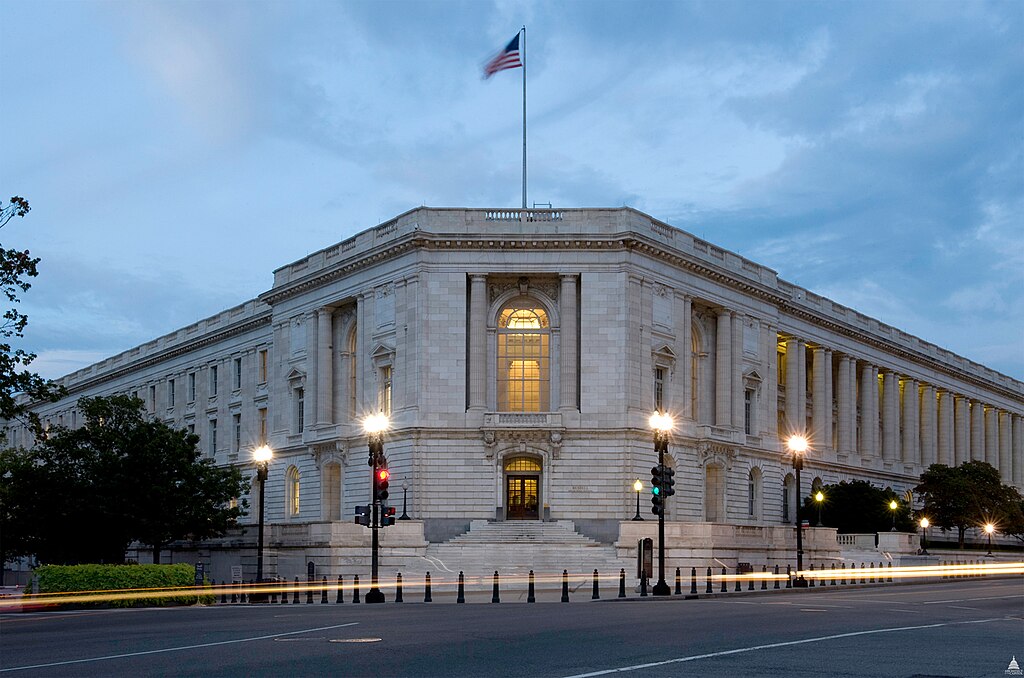
The U.S. Senate is expected to vote as early as next week on a Democratic-led measure aimed at preventing President Donald Trump from initiating military action against Cuba without congressional approval. Senate aides confirmed Friday that lawmakers anticipate the vote before May 1, though an exact date has not yet been scheduled.
The proposed legislation, known as the Cuba War Powers Resolution, was introduced last month by Democratic Senators Tim Kaine, Adam Schiff, and Ruben Gallego. Under Senate rules, Republican leadership is required to allow the resolution to come to the floor for consideration, despite their narrow majority in both chambers of Congress.
Senator Adam Schiff warned that Trump’s recent rhetoric signals potential escalation. “The president’s saber rattling toward Cuba makes clear where his sights are next,” Schiff said when unveiling the resolution. Trump has fueled concerns by publicly stating that “Cuba is next,” while praising recent U.S. military actions abroad.
During his presidency, U.S. forces have carried out operations in Venezuela, including strikes on boats and a mission into Caracas to detain President Nicolás Maduro. Additionally, the U.S., alongside Israel, has been engaged in military conflict with Iran since late February. Notably, these actions were conducted without formal authorization from Congress, raising ongoing debates about executive power and war authority.
Democrats have repeatedly attempted to limit Trump’s ability to launch military operations without legislative approval, but their efforts have consistently failed due to unified Republican opposition. So far, there are no clear signs that GOP lawmakers are changing their stance.
While the U.S. Constitution grants Congress the authority to declare war, presidents can initiate limited military actions, particularly in response to immediate threats. The White House maintains that Trump’s actions fall within his अधिकार as commander-in-chief, emphasizing national security concerns. Meanwhile, Republicans argue that these resolutions are politically motivated attempts to undermine the president.
As tensions rise, the upcoming Senate vote on the Cuba War Powers Resolution could become a key moment in defining the balance of power between Congress and the presidency over military decisions.







