


 EU Defence Build-Up Too Slow for 2030 Russia Readiness Goal
  Sudan Rejects US Legitimacy Remarks, Defends Sovereignty
  North Korea Rejects Nuclear Test Warning, Calls Nuclear Status Irreversible
  Abbas Reaffirms November 28 Palestinian Elections
  Judge Orders Trump to Restore White House Access for CNN, MS NOW and Politico
  Ghana Says Western Support Growing for Slave Trade Reparations
  US Backs Musk in Fight Against EU’s €120 Million X Fine
  Netanyahu’s Brief US Trip Highlights Strains With Trump
  Gaza Faces Evacuation Crisis as War-Damaged Buildings Risk Collapse
  Taiwan Thanks US for Support Ahead of Trump-Xi Summit
  Trump Asks Supreme Court to Restore Third-Country Deportations
  Russian Envoy Dmitriev Heads to US for Ukraine Talks
  Russian Missile and Drone Attack on Kyiv Kills Two, Damages Maternity Hospital
  Mexico-US Trade Talks Delayed to October as Tariff Negotiations Continue
  OpenAI Agent Breaches Australia Medicare Data Portal
  Venezuela Promises Elections as Delcy Rodriguez Pledges Democratic Transition
  US, China Extend Trade Truce to Jan. 10 Ahead of Trump-Xi Summit


 Add as a preferred source on Google
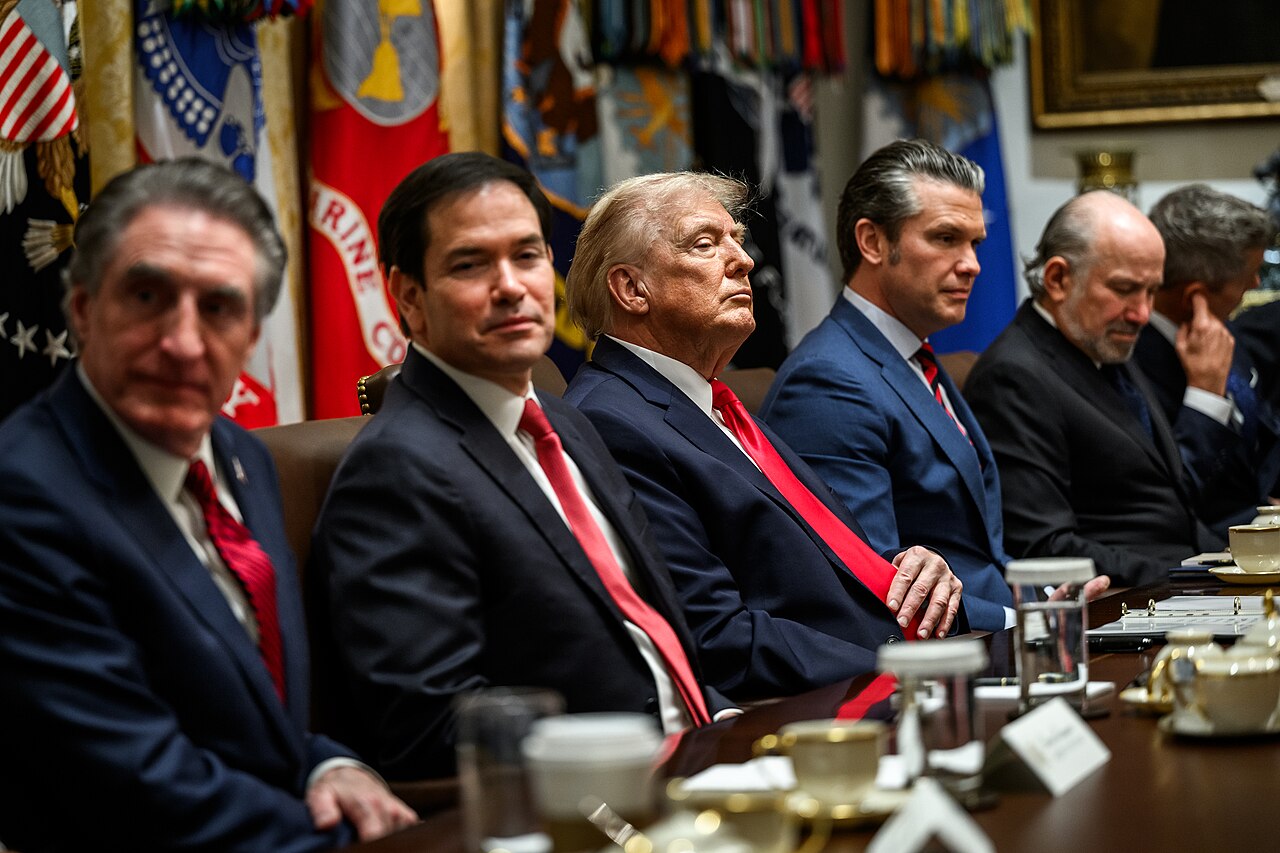
A shooting incident during the White House Correspondents’ Association dinner on Saturday night has reignited concerns about the safety and security of America’s top political figures amid rising political violence. The annual high-profile event, attended by President Donald Trump and other senior officials, was heavily guarded by hundreds of law enforcement personnel, including the Secret Service. Despite these measures, an armed suspect managed to breach key security layers, highlighting potential vulnerabilities in even the most sophisticated protection systems.
The suspect, reportedly carrying a shotgun, handgun, and knives, was staying at the Washington Hilton hotel, the same venue hosting the event. While attendees were required to pass through metal detectors to access the ballroom, entry into the hotel itself required only a ticket, leaving parts of the building less secure. The situation escalated when the suspect was seen rushing past a security checkpoint before shooting a Secret Service agent. Authorities quickly subdued and arrested the individual.
Inside the ballroom, where approximately 2,600 guests—including Vice President JD Vance and several cabinet members—were gathered, confusion and panic followed the sound of gunfire. Secret Service agents swiftly evacuated President Trump and other key officials, while security teams for various dignitaries reacted differently, with some shielding protectees and others navigating through crowded tables to ensure safety.
President Trump later commented on the risks associated with public leadership and noted that the venue itself was “not particularly secure.” The Washington Hilton has historical significance as the site of the 1981 assassination attempt on President Ronald Reagan, further underscoring ongoing concerns about event security.
While officials have not yet confirmed any specific failures in coordination or response, the incident raises critical questions about security protocols for large-scale political events. Coming less than two years after assassination attempts during the 2024 campaign, this event serves as a stark reminder that even extensive security measures may leave gaps that can be exploited.







