


 FDA Weighs Safety Standards for Psychedelic Therapies
  Saudi Arabia Shuts East-West Oil Pipeline After Drone Attack
  U.S. Issues Cuba Health Alert as Illnesses Rise
  SEC Seeks ISS Client Voting Records in Proxy Adviser Probe
  Trump Bans CNN, MS NOW and Politico From White House
  Judge Blocks Trump Rule Limiting Foreign Student Visas
  FCC Approves Foreign Investment in $110B Paramount-Warner Bros. Deal
  Trump Administration Removes Confederate Memorial Criticism From Arlington Website
  Appeals Court Rejects Trump Third-Country Deportation Policy
  US Immigration Arrests Surge as Deportations Lag Behind
  Pentagon Restarts Testosterone Testing for US Troops
  U.S. Imposes New Visa Restrictions Over South Africa Policies
  Synthetic data could ease people’s concerns about privacy breaches. But who gets to create it?
  Australia Tightens Student Visa Rules, Targets Migration Cut by 2028
  DOJ Will Investigate AI-Related Crimes, Attorney General Blanche Says


 Add as a preferred source on Google
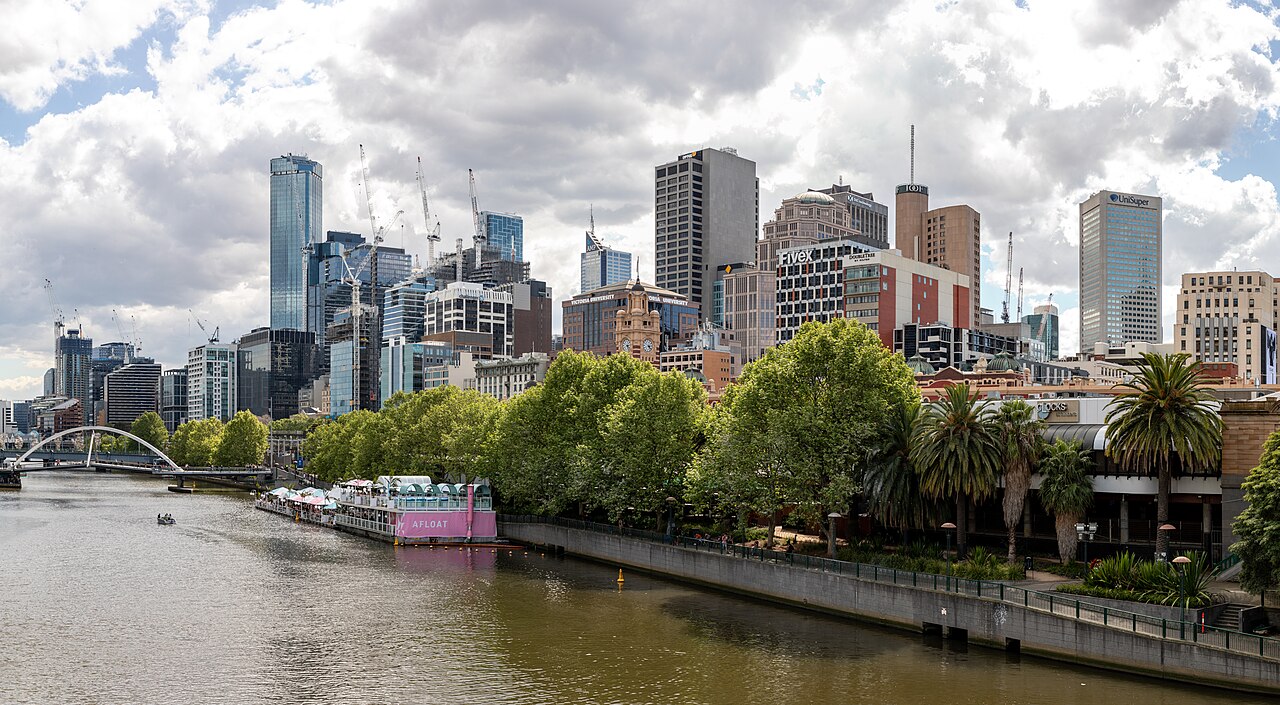
Victoria is expanding its public transport relief program as residents continue to grapple with soaring living costs driven by escalating geopolitical tensions in the Middle East. Following a successful free transit rollout throughout April, the state government has announced free public transport for the entire month of May, with half-price fares continuing through the rest of the year.
Transport Infrastructure Minister Gabrielle Williams confirmed the extended initiative carries a price tag of roughly A$432 million (approximately USD $310 million), signaling a firm commitment from the Victorian government to shield everyday commuters from worsening financial strain.
The policy serves a dual purpose. It delivers direct household budget relief while simultaneously working to reduce local fuel demand by encouraging residents to leave their private vehicles at home. This matters significantly at a time when Australian fuel prices have surged to record highs, largely as a consequence of global oil supply disruptions linked to the ongoing Middle East conflict.
Compounding pressure on fuel availability is a recent fire at one of Australia's last two operating oil refineries, which has further tightened domestic supply chains at an already fragile moment. With the country's energy infrastructure under strain from both international and local fronts, Victoria's transit subsidy positions itself as a practical short-term buffer against commodity market volatility.
Melbourne, as one of Australia's busiest metropolitan centers, stands to benefit most from the initiative, with millions of daily commuters now having a strong financial incentive to opt for public transportation over private vehicles.
While the program provides meaningful temporary relief, it also draws attention to a deeper vulnerability — regional economies remain highly exposed to global geopolitical shocks and localized industrial disruptions, underscoring the urgent need for more resilient and diversified energy strategies across Australia.







