


 DOJ Will Investigate AI-Related Crimes, Attorney General Blanche Says
  FAA Allows Boeing to Sell 35 More 777F Freighters Beyond 2028
  Petrobras Joins Brazil Diesel Subsidy Program
  US Resumes Immigrant Visa Processing for Hungary, Poland
  US Federal Register Drops Alibaba Qwen AI Search Tool
  US Northeast Airports Resume Operations After Telecom Outage Disrupts Thousands of Flights
  Judge Blocks Trump Rule Limiting Foreign Student Visas
  FDA Weighs Safety Standards for Psychedelic Therapies
  US Bans Canadian Alcohol, Motorcycles as Trade War Escalates
  US Immigration Arrests Surge as Deportations Lag Behind
  Trump Bans CNN, MS NOW and Politico From White House
  NASA, Boeing Discuss Expanding Starliner Missions
  Trump Grants Clemency to Jay-Z Associate Emory Jones
  SpaceX Nasdaq 100 Weight to More Than Double in Rebalance
  Synthetic data could ease people’s concerns about privacy breaches. But who gets to create it?
  Paramount-Warner Bros $110 Billion Deal Draws Antitrust Backlash
  U.S. Issues Cuba Health Alert as Illnesses Rise


 Add as a preferred source on Google
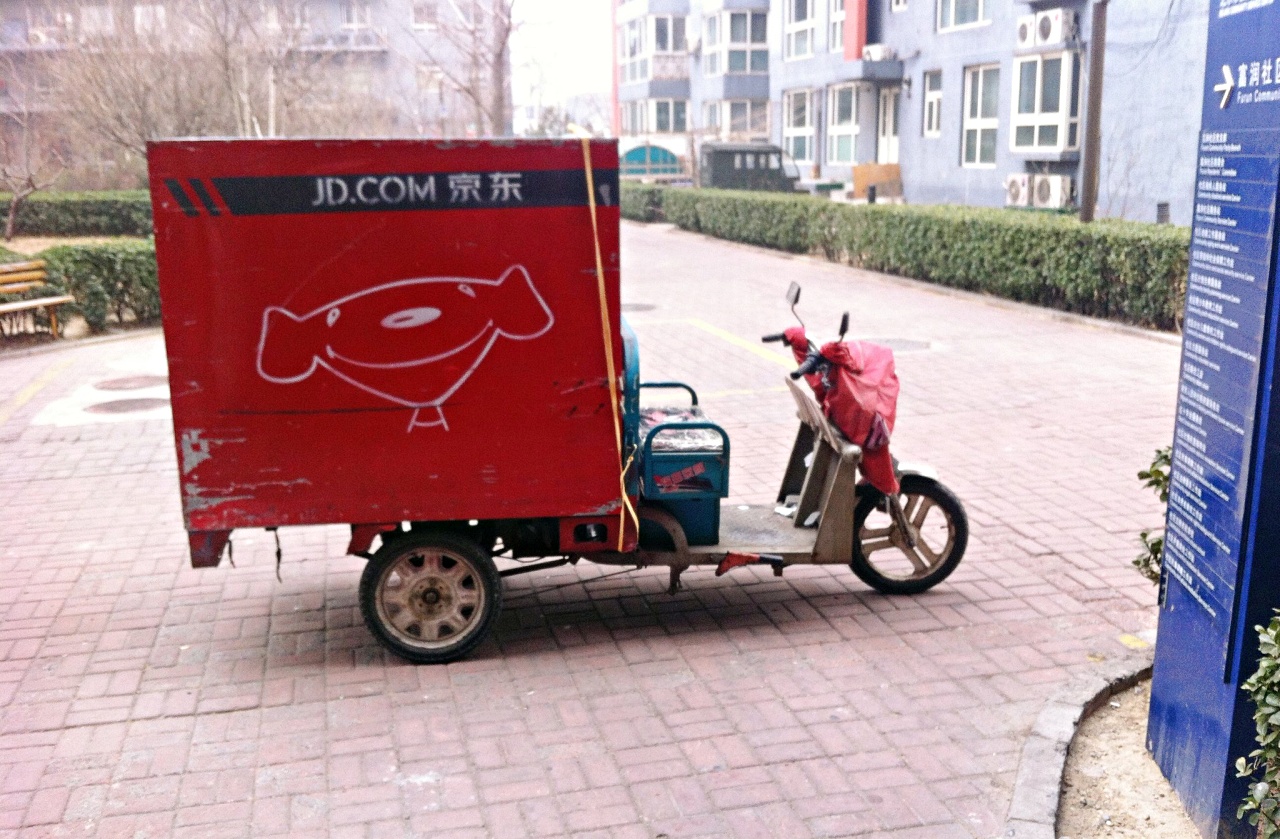
Chinese food delivery stocks showed a muted performance on Monday after regulators imposed significant penalties on major online platforms over violations linked to so-called “ghost deliveries.” The move has raised concerns about tighter regulatory scrutiny in China’s rapidly expanding food delivery and instant retail sector.
China’s market regulator announced fines and confiscations totaling 3.6 billion yuan (approximately $527 million) targeting key industry players, including Meituan, JD.com, and Alibaba’s food delivery business. The penalties were issued due to breaches involving food safety standards and consumer protection laws, highlighting ongoing compliance issues within the sector.
Investor sentiment reacted cautiously to the news. Shares of Meituan, listed in Hong Kong under HK:3690, declined by 1.4%, while JD.com (HK:9618) slipped 0.4%. This underperformance came despite a broader market upswing, with the Hang Seng Index rising nearly 1% during the same session. Meanwhile, Alibaba Group (HK:9988) managed to buck the trend, posting a modest gain of 1.3%.
Regulators uncovered several problematic practices during the investigation. Platforms were found to have inadequately verified vendor licenses, allowing unregistered “ghost kitchens” or “ghost shops” to operate within their ecosystems. In some instances, food orders were fulfilled by unverified vendors or transferred between merchants without customer consent, raising serious concerns about transparency, food safety, and consumer trust.
Authorities also highlighted issues where orders were reassigned without notifying customers, undermining platform accountability. These findings point to systemic weaknesses in how major delivery platforms monitor third-party vendors.
The scale of the penalties signals Beijing’s increasing focus on regulating the “instant retail” industry, a fast-growing segment driven by intense competition and rapid expansion. As regulators tighten oversight, companies in China’s food delivery market may face higher compliance costs and stricter operational standards.
For investors and industry stakeholders, this development underscores the importance of regulatory risk in China’s tech-driven consumer services sector, particularly as authorities continue to prioritize consumer protection and market transparency.







