


 Yemen Violence Displaces 130,000 as Civilian Toll Rises
  Trump, Xi Focus on Trade and AI at White House Summit
  Russian Missile and Drone Attack on Kyiv Kills Two, Damages Maternity Hospital
  US Invites Putin to Miami G20, Opening Door to Trump Summit
  NATO Boosts Intelligence Sharing Amid Russia Hybrid Threats
  Kremlin Says No Decision Yet on Putin-Trump December Summit
  Gaza Faces Evacuation Crisis as War-Damaged Buildings Risk Collapse
  US Backs Musk in Fight Against EU’s €120 Million X Fine
  Ghana Says Western Support Growing for Slave Trade Reparations
  Netanyahu Defends Israel at UN as Delegates Stage Walkout
  Taiwan Thanks US for Support Ahead of Trump-Xi Summit
  Sudan Rejects US Legitimacy Remarks, Defends Sovereignty
  Venezuela Promises Elections as Delcy Rodriguez Pledges Democratic Transition
  Trump Administration Plans Faster FDA Reviews for Smoke-Free Nicotine Products
  OpenAI Agent Breaches Australia Medicare Data Portal
  Netanyahu’s Brief US Trip Highlights Strains With Trump
  South Korea, US Discuss Warship Building Cooperation


 Add as a preferred source on Google
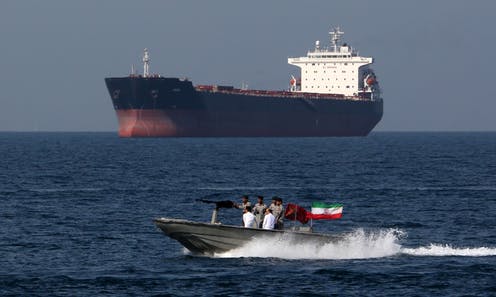
The United States military has intercepted multiple Iranian-flagged oil tankers in Asian waters, escalating tensions in an already volatile geopolitical environment. According to shipping and maritime security sources, at least three vessels were redirected away from key locations near India, Malaysia, and Sri Lanka as part of Washington’s intensified maritime enforcement efforts against Iran.
This development comes as the U.S. continues to impose a naval blockade targeting Iran’s oil trade, a move that has significantly disrupted global energy markets. In response, Iran has taken aggressive countermeasures, including firing on commercial ships navigating the Strait of Hormuz, one of the world’s most critical oil transit chokepoints. The ongoing conflict, now nearly two months since the U.S. and Israel launched military operations against Iran, has shown little progress toward renewed peace talks despite a fragile ceasefire.
The closure of the Strait of Hormuz has severely impacted global oil and gas supply chains, affecting roughly 20% of the world’s energy flow and contributing to a growing energy crisis. Recent incidents include the seizure of an Iranian cargo ship and oil tanker by U.S. forces, while Iran claims it has captured two container ships attempting to exit the Gulf.
Among the intercepted vessels were the supertankers Dorena and Deep Sea, along with the smaller tanker Sevin. The Dorena, reportedly carrying up to 2 million barrels of crude oil, was last tracked near southern India and is now under U.S. Navy escort. The Sevin, partially loaded, and the Deep Sea, also carrying crude, were last seen near Malaysia. Another tanker, the Derya, may have been intercepted after failing to offload Iranian oil in India before sanctions waivers expired.
U.S. Central Command stated that since the blockade began, 29 vessels have been instructed to turn back or return to port. Military officials are reportedly targeting Iranian ships in open waters to reduce the risk of naval mine threats in the Strait of Hormuz, further highlighting the strategic importance of this escalating maritime standoff.







