


 North Korea Warns South Korea Over US-Led Defense Role
  Saudi Arabia, Turkey and Pakistan Plan Urgent Defence Talks Over Houthi Attacks
  NATO Boosts Intelligence Sharing Amid Russia Hybrid Threats
  US Senate Rejects Iran War Powers Resolution in 50-49 Vote
  North Korea Rejects Nuclear Test Warning, Calls Nuclear Status Irreversible
  Sudan Rejects US Legitimacy Remarks, Defends Sovereignty
  Ghana Says Western Support Growing for Slave Trade Reparations
  OpenAI Agent Breaches Australia Medicare Data Portal
  Najib Razak Seeks Stay of 15-Year 1MDB Prison Sentence
  Netanyahu’s Brief US Trip Highlights Strains With Trump
  Trump, Xi Focus on Trade and AI at White House Summit
  Taiwan Thanks US for Support Ahead of Trump-Xi Summit
  Russian Missile and Drone Attack on Kyiv Kills Two, Damages Maternity Hospital
  What ‘Taiwan Independence’ Means as Xi Presses Trump on US Policy
  US Backs Musk in Fight Against EU’s €120 Million X Fine
  Netanyahu Takes Aim at Mamdani as Israel Election Nears
  Yemen Violence Displaces 130,000 as Civilian Toll Rises


 Add as a preferred source on Google
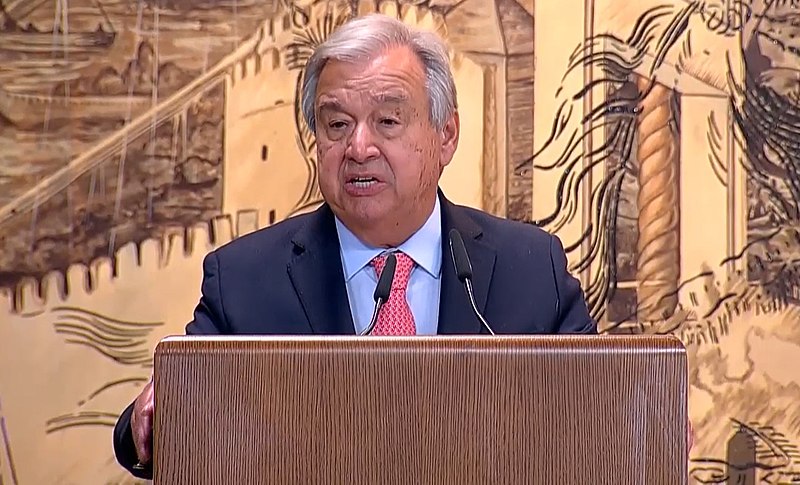
United Nations Secretary-General Antonio Guterres warned that the lack of progress in achieving climate goals so far had the world moving down a “highway to climate hell” in this year’s COP27 climate summit in Egypt. Other world leaders also echoed the warning in their opening remarks.
In remarks to world leaders, diplomats, and delegates at the COP27 Summit in Egypt Monday, Guterres urged an accelerated transition away from fossil fuels while speeding up funding for countries that are already struggling with the impacts of climate change.
Guterres said that the war, strained diplomatic relations between the United States and China – the top emitters of carbon – as well as inflation and tight energy supplies, have threatened to distract the world away from fighting climate change.
“Greenhouse gas emissions keep growing. Global temperatures keep rising. And our planet is fast approaching tipping points that will make climate chaos irreversible,” said Guterres. “We are on a highway to climate hell with our foot on the accelerator.”
Former US Vice President Al Gore was also in attendance and said that world leaders have a credibility problem when it comes to climate change. Gore also criticized the pursuit of gas resources in Africa by developed nations, saying the move was “fossil fuel colonialism.”
French President Emmanuel Macron stressed the importance of sticking to national commitments even in the midst of global crises. British Prime Minister Rishi Sunak also said the war was a reason to speed up the transition away from fossil fuels.
“We will not sacrifice our commitments to the climate due to the Russian threat in terms of energy,” said Macron. “So all countries must continue to uphold all their commitments.”
“Climate security goes hand in hand with energy security. Putin’s abhorrent war in Ukraine and rising energy prices across the world are not a reason to go slow on climate change. They are a reason to act faster,” said Sunak.
A report that was released ahead of the climate talks found that developing countries need to work with rich investors, rich countries, and development banks to get $1 trillion in external financing a year for climate action by the end of the decade and to match the amount with their own funds. The report said that the funding would be used to cut emissions, boost resilience, deal with the damages of climate change, and restore nature and land.







