


 Trump to Press Xi on Release of US Nuclear Expert Held in China
  US, China Extend Trade Truce to Jan. 10 Ahead of Trump-Xi Summit
  Venezuela Promises Elections as Delcy Rodriguez Pledges Democratic Transition
  Taiwan Vows to Advance US Arms Sales Ahead of Trump-Xi Meeting
  Sudan Rejects US Legitimacy Remarks, Defends Sovereignty
  Trump Says ‘Freedom’ Is Coming to Cuba
  Trump Says U.S.-Iran Peace Deal Near After UN Talks
  Trump Meets Venezuela’s Delcy Rodriguez at UN Assembly
  Macron Challenges Trump’s Gaza Peace Claims at UN
  Europe Warns Russia Is Escalating Hybrid Attacks Across NATO
  Marco Rubio to Meet Russia’s Lavrov in New York
  Macron, Trump Discuss Ukraine-Russia Energy Strike Moratorium
  Burnham Eyes UK Leadership Role in AI Ahead of Trump Meeting
  Russian Envoy Dmitriev Heads to US for Ukraine Talks
  Kremlin Says No Grounds Yet for Ukraine Peace Talks
  Iran Vows ‘Crushing’ Response as US Talks Continue
  Canada Unveils Bill to Fast-Track Major Resource Projects


 Add as a preferred source on Google
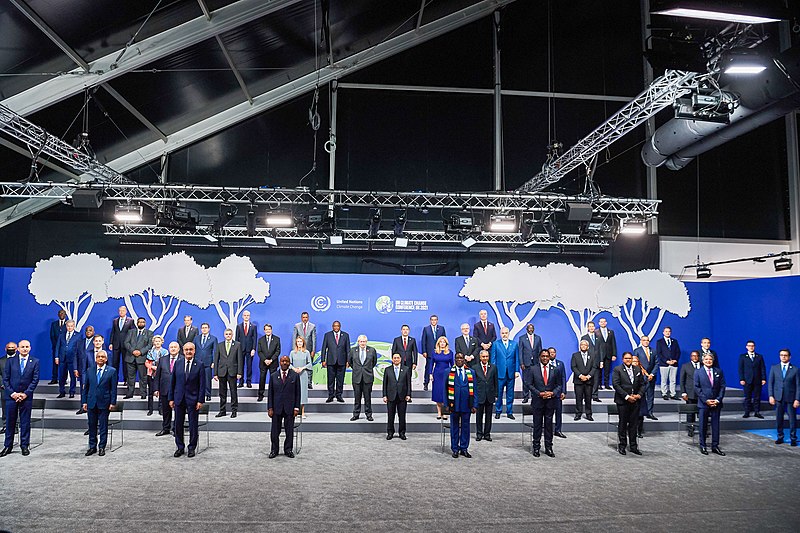
The countries under the European Union came to an agreement this week on raising their target in curbing greenhouse gas emissions next year. The agreement comes ahead of the upcoming United Nations summit on climate change.
The bloc’s climate ministers Monday agreed to their joint negotiating stance in the UN climate change summit in November. The upcoming summit was initially supposed to be the deadline for nearly 200 countries to raise their climate pledges. Most countries have yet to propose new targets.
The 27-member bloc, which makes them the third-largest polluter in the world, pledged to upgrade its target “as soon as possible.” However, the bloc said this could not be done until the bloc is done with negotiations on new climate emissions laws. The EU countries agreed to finish negotiations by the end of the year, which may be a tight deadline for the laws that include banning new fossil fuel car sales by 2035 and reforms to the EU carbon market.
EU officials told Reuters that the bloc was looking to land deals on three policies ahead of the COP27 summit that will take place on November 7. The bloc’s current target is to cut emissions by 55 percent by 2030 from levels in the 1990s. EU officials are hoping that it would be possible to raise the target due to the package of climate policies made in July of 2021 to deliver the current target of 55 percent.
The ministers also agreed that the bloc would support “loss and damage,” which is compensation for the damage caused by natural disasters such as floods and rising sea levels, among others that are a result of climate change that would affect the poorest.
“The EU has to be the bridge builder and you can only build bridges if you are seen as ambitious yourself,” said the bloc’s climate policy chief Frans Timmermans Monday, referring to the three policies that are being fast-tracked.
Aside from a ban on new fossil fuel car sales by 2035 along with binding national emissions-cutting goals, the other policy involves expanding the continent’s natural CO2-absorbing “sinks” such as forests. The sinks law is seen as a roundabout way to increase the EU’s climate target as it would cut the countries’ overall emissions by 57 percent if achieved.







