


 Trump, Xi Focus on Trade and AI at White House Summit
  Sudan Rejects US Legitimacy Remarks, Defends Sovereignty
  Abbas Reaffirms November 28 Palestinian Elections
  Ghana Says Western Support Growing for Slave Trade Reparations
  North Korea Rejects Nuclear Test Warning, Calls Nuclear Status Irreversible
  Judge Orders Trump to Restore White House Access for CNN, MS NOW and Politico
  Saudi Arabia, Turkey and Pakistan Plan Urgent Defence Talks Over Houthi Attacks
  US Senate Rejects Iran War Powers Resolution in 50-49 Vote
  Taiwan Thanks US for Support Ahead of Trump-Xi Summit
  Kremlin Says No Decision Yet on Putin-Trump December Summit
  OpenAI Agent Breaches Australia Medicare Data Portal
  Trump, Xi Visit US National Archives After White House Summit
  What ‘Taiwan Independence’ Means as Xi Presses Trump on US Policy
  Xi Calls for Deeper U.S.-China AI Cooperation in Trump Talks
  EU Defence Build-Up Too Slow for 2030 Russia Readiness Goal
  Pezeshkian Says US Must Choose When Iran War Ends
  Russian Missile and Drone Attack on Kyiv Kills Two, Damages Maternity Hospital


 Add as a preferred source on Google
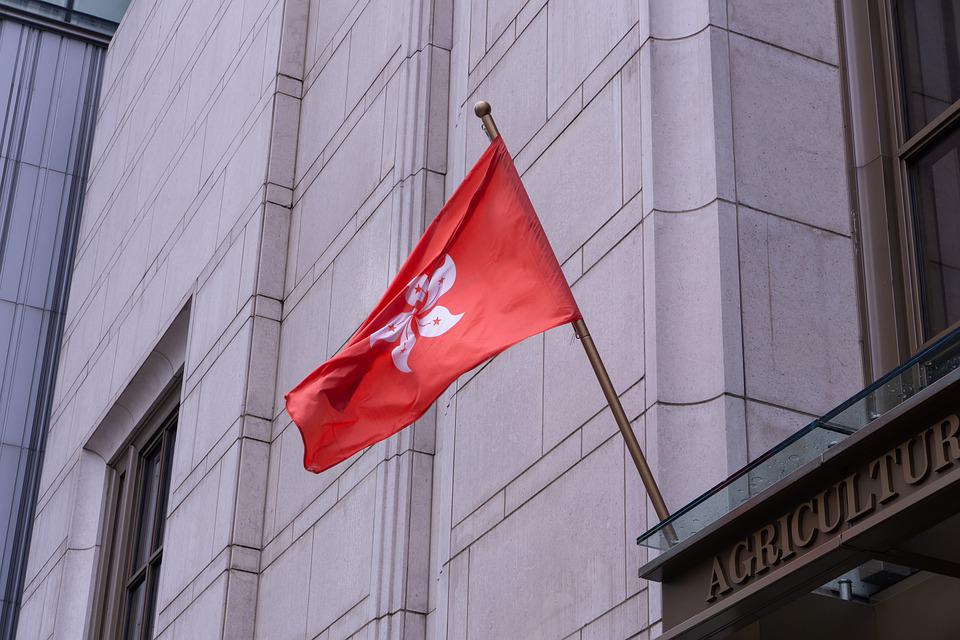
To this day, Hong Kong is under the controversial national security law that China imposed on the former British colony. This week, experts on the United Nations Human Rights Committee said the Beijing-imposed law should be repealed.
Experts on the committee said Wednesday that the national security law China has imposed on Hong Kong should be repealed. The experts cited concerns that the law was being used to crack down on free speech and dissent in Hong Kong. This is the first recommendation made by the panel since 2020.
The committee published its recommendations on Hong Kong in a report following a periodic review. To note, the Hong Kong Special Administrative Region is a signatory to the International Covenant on Civil and Political Rights by state parties. China is not included.
“The committee urged Hong Kong to take action to repeal the national security law and in the meantime, refrain from applying it,” the committee’s vice chair Christopher Arif Balkan told reporters.
“We have to be hopeful that they will live up to their undertaking and that in doing so they will address one of the key deficiencies (lack of public consultation),” added Balkan.
The panel said they hope for the law to be amended, noting the indications of the government of Hong Kong, which is considering drafting new national security legislation. Since the implementation of the law, over 200 people, 12 of whom are children, were arrested, according to the committee.
Earlier this month, Hong Kong Secretary for Constitutional and Mainland Affairs Erick Tsang told the panel via video that the Hong Kong government was committed to protecting human rights, including under the ICCPR. However, Tsang added that such rights may be restricted for national security purposes.
Taiwanese Premier Su Tseng-chang said this month that there is no more freedom or democracy in the former British colony in his comments on the 25th anniversary of Hong Kong’s return to Chinese rule.
Around the same time, Chinese President Xi Jinping inaugurated the former colony’s new pro-China leader, John Lee, who also happens to be sanctioned by the United States for his involvement in implementing the national security law.
Speaking to reporters in Taipei at the time, Su said China has not kept its promise that life in Hong Kong would continue as normal even after the handover.







