


 North Korea Rejects Nuclear Test Warning, Calls Nuclear Status Irreversible
  Saudi Arabia, Turkey and Pakistan Plan Urgent Defence Talks Over Houthi Attacks
  Kremlin Says No Decision Yet on Putin-Trump December Summit
  Sudan Rejects US Legitimacy Remarks, Defends Sovereignty
  Mexico-US Trade Talks Delayed to October as Tariff Negotiations Continue
  South Korea, US Discuss Warship Building Cooperation
  EU Defence Build-Up Too Slow for 2030 Russia Readiness Goal
  Netanyahu Takes Aim at Mamdani as Israel Election Nears
  Trump, Xi Focus on Trade and AI at White House Summit
  Yemen Violence Displaces 130,000 as Civilian Toll Rises
  NATO Boosts Intelligence Sharing Amid Russia Hybrid Threats
  US Backs Musk in Fight Against EU’s €120 Million X Fine
  Ghana Says Western Support Growing for Slave Trade Reparations
  Judge Orders Trump to Restore White House Access for CNN, MS NOW and Politico
  Russian Missile and Drone Attack on Kyiv Kills Two, Damages Maternity Hospital
  What ‘Taiwan Independence’ Means as Xi Presses Trump on US Policy
  North Korea Warns South Korea Over US-Led Defense Role


 Add as a preferred source on Google
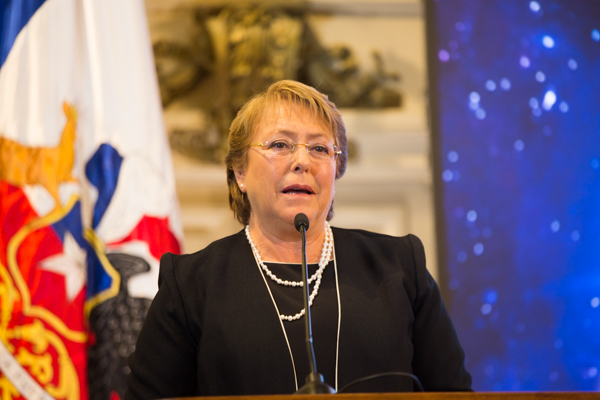
China is facing repeated accusations of human rights abuses against its Uyghur Muslim minority. UN Human Rights Chief Michelle Bachelet recently came under fire for failing to hold Beijing accountable during her trip to China.
Over the weekend, Bachelet defended the purpose of her six-day trip to China as she faces calls from human rights advocates to hold the Chinese government accountable for its treatment of the Uyghur Muslims in Xinjiang. Bachelet said she raised the human rights concerns with Chinese officials, but her visit to China was not for the purposes of an investigation.
This led the US, which has officially accused China of “committing genocide” against Uyghur Muslims, to describe Bachelet’s visit as “a mistake.”
Bachelet said that her visit to China will open the door for more regular interactions with China to help Beijing fulfill its obligations under international law. Bachelet said China should not use legitimate concerns about “terrorism” to justify its human rights abuses against the country’s Muslim minority.
“It provides an opportunity for me to better understand the situation in China, but also for the authorities in China to better understand our concerns and to potentially rethink policies that we believe may impact negatively on human rights,” said Bachelet in a video news conference on the last day of her visit.
Bachelet has since faced criticism from human rights groups. Human Rights Watch’s Sophie Richardson said that Bachelet’s visit to China appeared to be more about “making nice” with Beijing rather than holding them accountable for some of the worst human rights violations it has committed.
Richardson described Bachelet’s efforts to assess the scale of China’s human rights violations as “an ingenious way of ignoring a tidal wave of evidence” that proves how the Chinese government targeted the Uyghur Muslims and other Muslim minorities.
Chinese President Xi Jinping defended his government’s record during his video conference with Bachelet. Xi said that China’s development of human rights is in line with its “national conditions.” Xi also accused other countries of politicizing human rights in his criticism of foreign interference in the country’s internal affairs.
“Countries do not need patronizing lecturers; still less should human rights issues be politicized and used as a tool to apply double standards or as a pretext to interfere in the internal affairs of other countries,” said Xi.







