


 Trump Asks Supreme Court to Restore Third-Country Deportations
  Netanyahu Takes Aim at Mamdani as Israel Election Nears
  Mexico-US Trade Talks Delayed to October as Tariff Negotiations Continue
  US, China Extend Trade Truce to Jan. 10 Ahead of Trump-Xi Summit
  North Korea Rejects Nuclear Test Warning, Calls Nuclear Status Irreversible
  EU Defence Build-Up Too Slow for 2030 Russia Readiness Goal
  France Defends Netanyahu Airspace Clearance Despite ICC Warrant
  Europe Warns Russia Is Escalating Hybrid Attacks Across NATO
  US Senate Rejects Iran War Powers Resolution in 50-49 Vote
  Netanyahu’s Brief US Trip Highlights Strains With Trump
  Trump Administration Plans Faster FDA Reviews for Smoke-Free Nicotine Products
  US Invites Putin to Miami G20, Opening Door to Trump Summit
  Russian Missile and Drone Attack on Kyiv Kills Two, Damages Maternity Hospital
  Judge Orders Trump to Restore White House Access for CNN, MS NOW and Politico
  Gaza Faces Evacuation Crisis as War-Damaged Buildings Risk Collapse
  Yemen Violence Displaces 130,000 as Civilian Toll Rises
  Kremlin Says No Decision Yet on Putin-Trump December Summit


 Add as a preferred source on Google
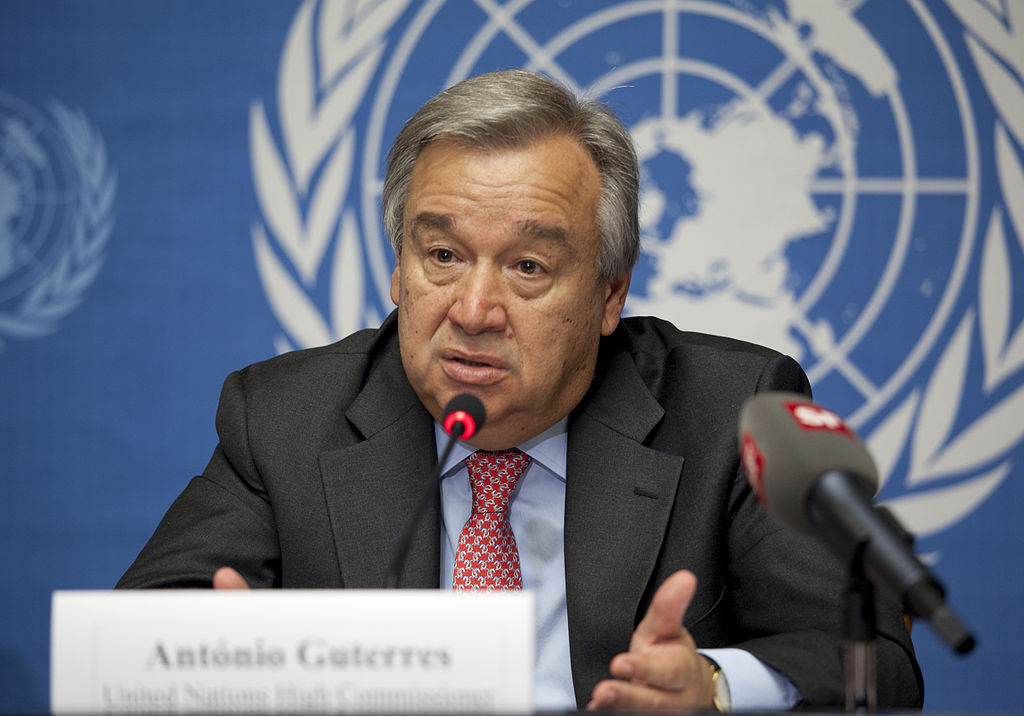
United Nations Secretary-General Antonio Guterres has firmly stated that the financial obligations owed by the United States to the United Nations are “non-negotiable,” responding to reports that Washington is attaching conditions to the release of billions in unpaid contributions. The statement comes amid growing tensions over U.S. demands for sweeping reforms within the global organization.
According to reports from Devex, the United States has proposed a series of “quick-hit” reforms as a prerequisite for releasing additional funding. These measures reportedly include aggressive cost-cutting strategies, restructuring the U.N. pension system, limiting business-class travel for staff, reducing senior-level positions, and cutting approximately 10% of long-running peacekeeping missions considered ineffective.
Guterres emphasized that these payments fall under “assessed contributions,” which are mandatory dues required from all member states. He made it clear that such obligations cannot be subject to political bargaining or reform conditions. While acknowledging ongoing efforts to improve efficiency and accountability within the United Nations, he stressed that financial commitments and institutional reforms must be treated as separate issues.
Another reported U.S. demand involves limiting China’s financial influence within the U.N., particularly by blocking contributions to a discretionary fund managed by the Secretary-General’s office. This move reflects broader geopolitical concerns about China’s growing role in international organizations.
The United States has yet to officially comment on the reported proposals but has consistently pushed for reforms, even withdrawing from several U.N. bodies and reducing funding in recent years. Earlier warnings from Guterres highlighted the risk of a financial crisis within the United Nations due to unpaid dues, with the U.S. accounting for a significant portion.
As of February, the United States had paid only about $160 million of the more than $4 billion it owes, raising concerns about the U.N.’s financial stability and its ability to carry out global peacekeeping and humanitarian missions.







