


 Taiwan Thanks US for Support Ahead of Trump-Xi Summit
  Russian Missile and Drone Attack on Kyiv Kills Two, Damages Maternity Hospital
  Europe Warns Russia Is Escalating Hybrid Attacks Across NATO
  Sudan Rejects US Legitimacy Remarks, Defends Sovereignty
  Ghana Says Western Support Growing for Slave Trade Reparations
  Lula and Flavio Bolsonaro Tied in Brazil Runoff Poll
  Marco Rubio to Meet Russia’s Lavrov in New York
  Iran Vows ‘Crushing’ Response as US Talks Continue
  US Officials Split Over Response to Israeli West Bank Settlements
  Venezuela Promises Elections as Delcy Rodriguez Pledges Democratic Transition
  Russian Strikes Kill Eight Across Ukraine as Energy Sites Hit
  Netanyahu Takes Aim at Mamdani as Israel Election Nears
  Kremlin Says No Decision Yet on Putin-Trump December Summit
  Gaza Faces Evacuation Crisis as War-Damaged Buildings Risk Collapse
  Trump Says ‘Freedom’ Is Coming to Cuba
  Macron Challenges Trump’s Gaza Peace Claims at UN
  Taiwan Vows to Advance US Arms Sales Ahead of Trump-Xi Meeting


 Add as a preferred source on Google
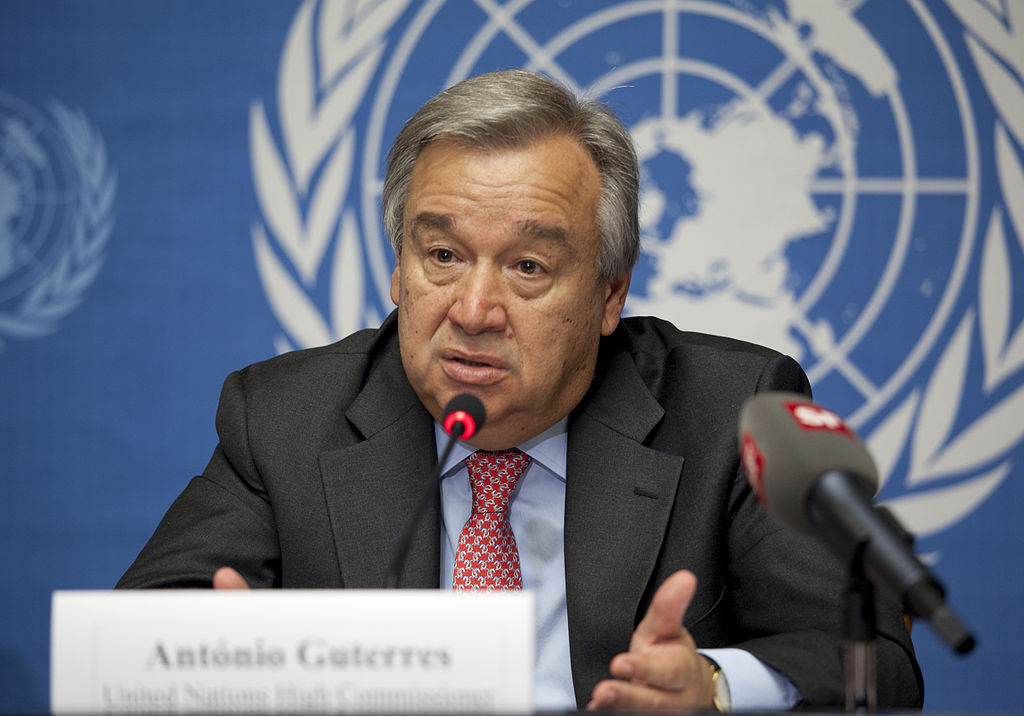
United Nations Secretary-General Antonio Guterres has urged members of the U.N. Security Council to maintain a continued uniformed U.N. presence in Lebanon after the mandate of the United Nations Interim Force in Lebanon (UNIFIL) expires at the end of the year. In a letter sent to the 15-member Security Council, Guterres outlined three possible options for a successor mission, emphasizing the importance of international monitoring and stability efforts amid the worsening security situation along the Lebanon-Israel border.
According to the letter, the security environment in Lebanon has deteriorated significantly since March, making a U.N. presence essential to support a strengthened political mission focused on achieving a long-term resolution to the conflict. The proposed alternatives range from a larger force with broader monitoring and de-escalation responsibilities to a smaller mission with more limited capabilities.
The first option would deploy approximately 3,700 personnel, including 350 unarmed military observers, four infantry battalions of 750 troops each, and a reserve force of 700 personnel. Guterres said this configuration would provide the strongest monitoring capability, allowing the mission to observe developments along the entire Blue Line and as far north as the Litani River.
Under the second proposal, the mission would consist of about 2,235 personnel, including 285 unarmed observers, two infantry battalions of 750 troops each, and a reserve force of 450. This force would concentrate on the area between the Blue Line and the Litani River, conducting patrols and operating observation posts to monitor key locations.
The third and smallest option would involve roughly 1,465 personnel, including 215 unarmed observers, two light infantry battalions of 450 troops each, and a quick reaction force of 350 personnel. While capable of monitoring selected areas along the Blue Line, this option would have limited ability to verify ceasefire violations or intervene between Lebanese and Israeli forces to help reduce tensions.
Guterres also stressed that any future U.N. mission in Lebanon would require critical support assets, including helicopters for medical evacuations, engineering and de-mining units, as well as advanced surveillance technology. He noted that radar systems, drones, satellite imagery, and air assets would significantly strengthen monitoring and reporting capabilities.
The proposals come as the United Nations evaluates the future of peacekeeping operations in southern Lebanon amid ongoing regional instability and efforts to prevent further escalation between Lebanon and Israel. The Security Council is expected to consider the options as it weighs the future of international peacekeeping and security arrangements in the region.







