


 US Stock Futures Rise as Meta Muse Fuels AI Rally
  US 10-Year Treasury Yield at 6% Emerges as New Market Risk Threshold
  Dollar Hits Two-Month High as Fed Rate Hike Bets Rise
  European Stocks Slip as Iran Tensions Offset Strong Eurozone Data
  Oil Prices Rise as U.S.-Iran Talks Fuel Diplomacy Hopes
  Asian Currencies Muted as Dollar Firms Ahead of Trump-Xi Summit
  Gold Prices Fall as Treasury Yields Rise on Fed Rate Hike Bets
  Asian Stocks Mixed Ahead of Trump-Xi Meeting
  South Korea, US Discuss Warship Building Cooperation
  China’s ‘Lipstick King’ Says AI Won’t Replace Livestream Hosts
  Vietnam, US Trade Deal Could Be Signed Soon, To Lam Says
  Russian Envoy Dmitriev Heads to US for Ukraine Talks
  Japan Private-Sector Growth Slows as Domestic Demand Weakens
  Gold Drops Over 1% as Dollar, Treasury Yields Surge on Fed Rate Hike Bets
  Mexico-US Trade Talks Delayed to October as Tariff Negotiations Continue
  US Dollar Hits Two-Month High as Fed Rate Hike Bets Rise
  Oil Prices Surge as U.S.-Iran Diplomacy Hopes Fade


 Add as a preferred source on Google
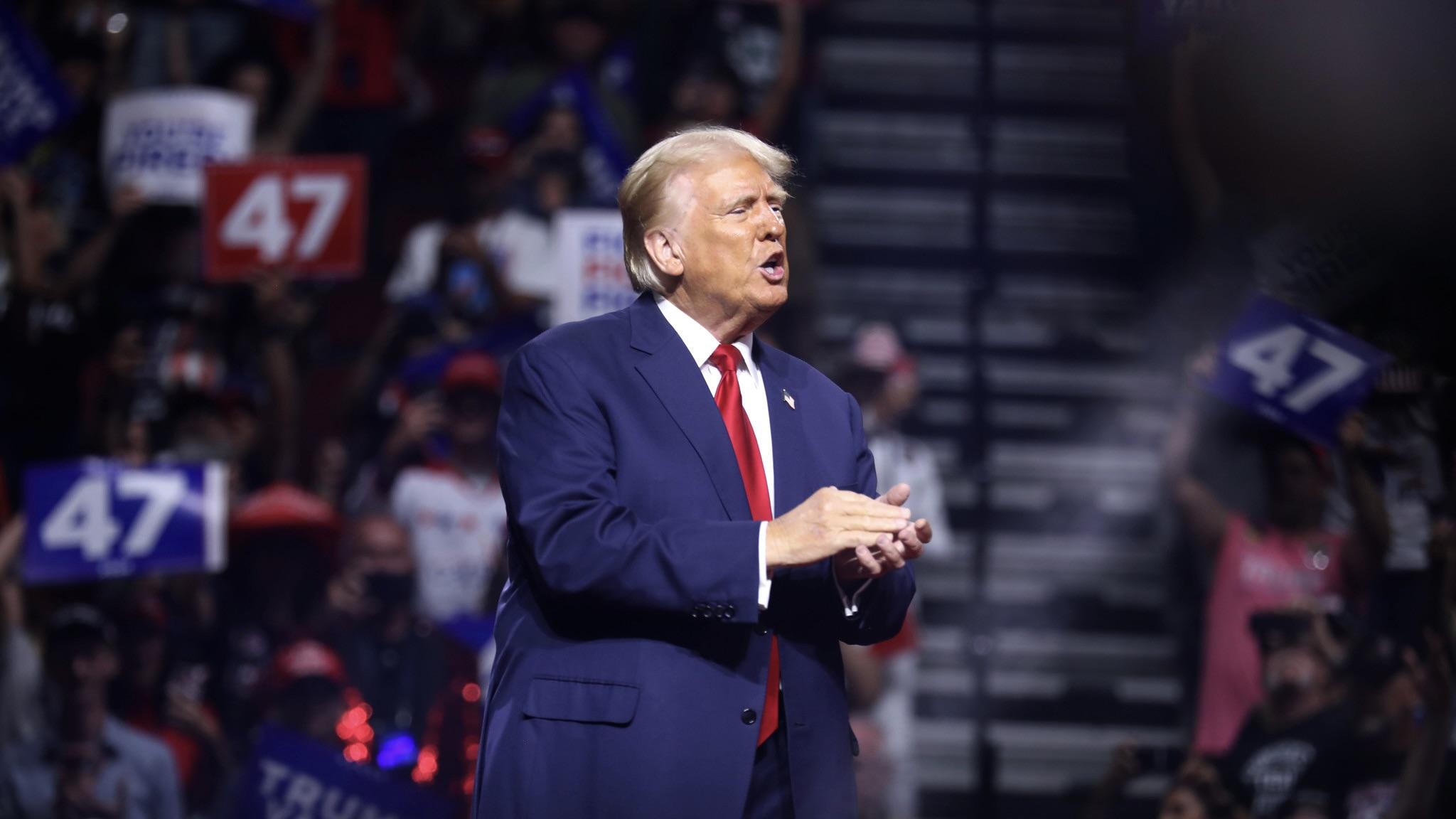
As Donald Trump hints at renewed US tariffs, Citi economists suggest potential disinflationary impacts on the Eurozone. With limited pass-through from import prices and weakened growth forecasts, the already-fragile European economy faces further challenges in its recovery journey.
Tariffs Could Reverse Economic Momentum in the Eurozone
While President-elect Trump has hinted that trade tariffs will be on his political agenda, Citi argues that they could have the opposite effect in the Eurozone, where inflation is already at a low point, and that a tit-for-tat U.S.-EU trade spat could spell fresh inflationary pressures, Investing.com shares.
"Even if the EU retaliates like-for-like with reciprocal tariffs, the HICP impact is likely negligible," observed economists from Citi in a recent note.
U.S. imports account for little over 10% of all commodities imported into the Euro Area. Of this, 25% are energy imports, however experts predict that this sector will remain tax-free. A mere 6% of U.S. imports to the Eurozone are for consumption products, therefore the import price-to-HICP passthrough is "usually low," they emphasized.
Eurozone Growth Downgrade Highlights Economic Risks
After downgrading Eurozone GDP growth by 0.3%, economists warned that the prospect of a 10% blanket US tariff on EU goods and additional measures against China, the EU's largest import market, will further burden economic growth in the single currency.
"This shock to the already-struggling European manufacturing sector could weigh on employment and wages in the tradeable sector and beyond," according to the researchers.
While the United States and China have profited from trade diversion in the past due to the collapse of US dependency on China, Citi predicts that tariffs will decrease demand for products from the Eurozone.
Lessons From Trump's Past Tariffs on Europe
To get a sense of what lies ahead for the Eurozone, it's helpful to examine the effects of tariffs imposed by the previous Trump administration. Economists have found that the increase in Chinese import penetration has had "likely sizable disinflationary implications," making it the most consequential outcome of Trump's past trade fights for Europe.







