


 Lula Weighs Alckmin as Finance Minister to Boost Fiscal Credibility
  Zelenskiy Warns Russia Is Preparing Massive Attack on Ukraine
  France Student Protests Intensify Nationwide
  Trump Offers US Help to Russia After Plague Lab Worker Dies
  US Army Tests Counter-Drone Technology Along Mexico Border
  ISIS Attack Near Kirkuk Kills Iraqi Policeman After US Withdrawal
  Trump Orders Firing Squad Execution for Fort Hood Gunman
  US DOT Ends Airline Privacy Review Without Enforcement
  Vance Demands Iran Cut Nuclear Enrichment to End War
  Becton Dickinson to Invest $3 Billion in U.S. Medical Manufacturing
  Mexico Seeks US Evidence After Border Gunfire Claim
  JD Vance Says Iran Must Cut Nuclear Enrichment to End War
  Ukraine to Intensify Strikes on Russian Oil Refineries
  Flavio Bolsonaro Surges as Family Scores Brazil Election Comeback
  Ethiopia-Tigray Fighting Intensifies as Airstrikes Kill 17
  Ukraine Faces $56 Billion Budget Gap as War Costs Soar
  Trump Envoy Meets Sudan Army Chief in Egypt


 Add as a preferred source on Google
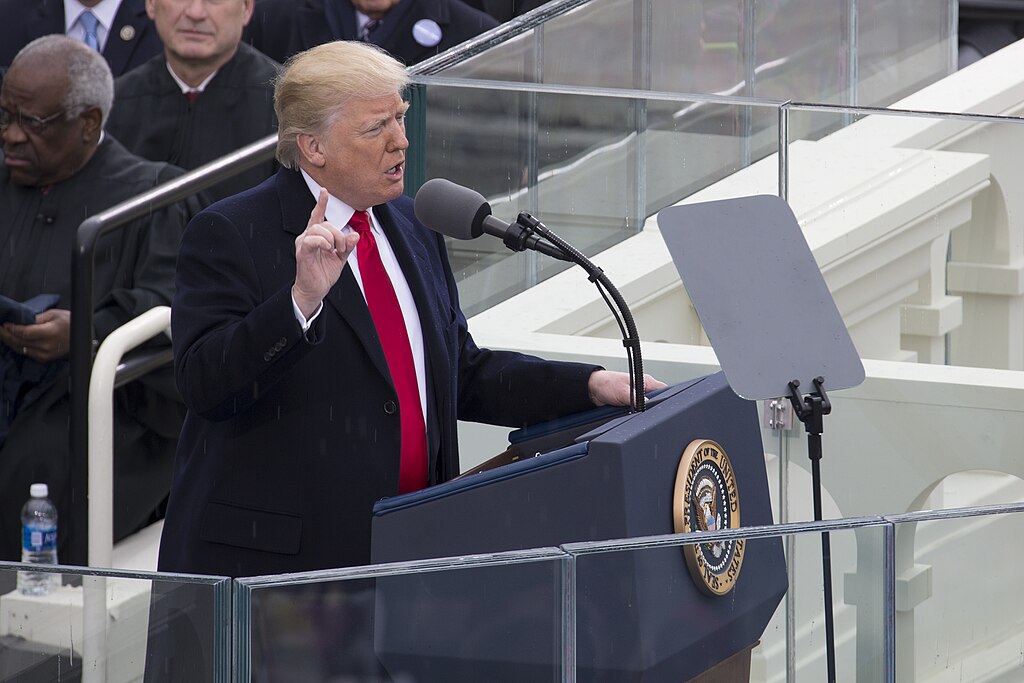
Federal Reserve Chair Jerome Powell has made it clear that he has no plans to step down if President-elect Donald Trump asks him to leave. In a rare and bold statement underscoring the Fed’s independence, Powell, who has been frequently criticized by Trump in the past, said he would not yield to any political pressure.
At a press conference on Wednesday, Powell addressed questions from reporters who asked if he would consider resigning should the new administration pressure him to do so. His response was unequivocal: “No. I would not resign,” Powell stated, reiterating his commitment to uphold the Federal Reserve’s autonomy.
This declaration comes at a time when Trump has shown a strong interest in influencing the direction of the Federal Reserve. Throughout his first term, Trump frequently voiced frustration with Powell’s decisions, particularly his handling of interest rates. Trump had even floated the idea of firing Powell, whom he appointed in 2018, amid disagreements over the Fed's monetary policy.
Powell Holds Firm Against Political Pressure
As the nation faces a period of economic uncertainty, Powell’s stance sends a message about the Fed’s independence. Traditionally, the Federal Reserve operates without direct political interference to make objective economic decisions. For Powell, maintaining this independence appears paramount. “Our decisions are based solely on our analysis of what’s best for the U.S. economy,” he emphasized during his remarks.
Trump’s past criticisms of Powell have often centered on interest rates. While Trump advocated for lower rates to stimulate the economy, Powell took a more cautious approach, aiming to prevent inflation and ensure long-term stability. Trump’s vocal objections led to speculation about whether he would attempt to remove Powell, an unusual move for a president, given that the Federal Reserve Chair typically serves a four-year term with minimal political intervention.
Powell’s defiant stance suggests he is willing to endure political fallout to protect the integrity of the Fed’s decision-making process. “The law is clear that I have a four-year term, and I intend to serve it,” Powell remarked.
Mixed Reactions to Powell’s Stance
Powell’s statement quickly ignited reactions across the political and financial landscapes. Supporters hailed his commitment to Federal Reserve independence, arguing that political interference could have disastrous consequences for economic stability. “Powell is doing exactly what a Fed Chair should – protecting the Fed from political manipulation,” said economist Sarah Bloom Raskin, a former Federal Reserve Board member.
Critics, however, view Powell’s position as antagonistic, suggesting that defying a sitting president might strain public confidence in the Fed. “This confrontation sets a troubling precedent,” noted political analyst Peter Morici. “When a Fed Chair openly defies the president, it creates a power struggle that could lead to market instability.”
Within the financial community, Powell’s comments have been a rallying point for those who value central bank independence. The Dow Jones Industrial Average experienced modest fluctuations after the news broke, but analysts largely agree that Powell’s assurance to stay the course is likely to stabilize investor sentiment in the long run.
The Path Forward for Powell and the Fed
As Trump prepares to take office, the spotlight on the Federal Reserve and its leadership is likely to intensify. Powell, who has remained largely silent on political matters, may find himself in a precarious position if Trump insists on pushing for policies that contradict the Fed’s approach. However, Powell’s statement suggests he is prepared to face the challenge head-on, defending the Federal Reserve’s mission to serve the economy rather than political agendas.
For now, Powell remains at the helm of the Federal Reserve, committed to his post. Whether or not Trump attempts to exert pressure on Powell in the coming months remains to be seen. Still, Powell’s emphatic declaration – “I won’t resign, even if asked” – sends a clear message: the Federal Reserve will continue to operate on its terms, insulated from direct political influence.







