


 Fairshake Backs 32 Pro-Crypto House Candidates
  Trump Envoy Meets Sudan Army Chief in Egypt
  Trump Offers US Help to Russia After Plague Lab Worker Dies
  Vance Demands Iran Cut Nuclear Enrichment to End War
  France Student Protests Intensify Nationwide
  Ukraine to Intensify Strikes on Russian Oil Refineries
  Lula Weighs Alckmin as Finance Minister to Boost Fiscal Credibility
  US Army Tests Counter-Drone Technology Along Mexico Border
  Rapidus Seeks Chip Customers as Japan Pushes 2nm Semiconductor Revival
  Cuba Says US Contacts Continue but Formal Talks Remain Stalled
  Ukraine Faces $56 Billion Budget Gap as War Costs Soar
  Trump Opens Tax-Exempt Dyed Diesel Access as Fuel Prices Surge
  Zelenskiy Warns Russia Is Preparing Massive Attack on Ukraine
  Trump Orders Firing Squad Execution for Fort Hood Gunman
  Trump Plans Diesel Tax Relief as Fuel Prices Hit Record Highs
  Flavio Bolsonaro, Lula Head to Brazil Election Runoff
  North Korea Slams US Taiwan Arms Sales, Reaffirms Russia Support


 Add as a preferred source on Google
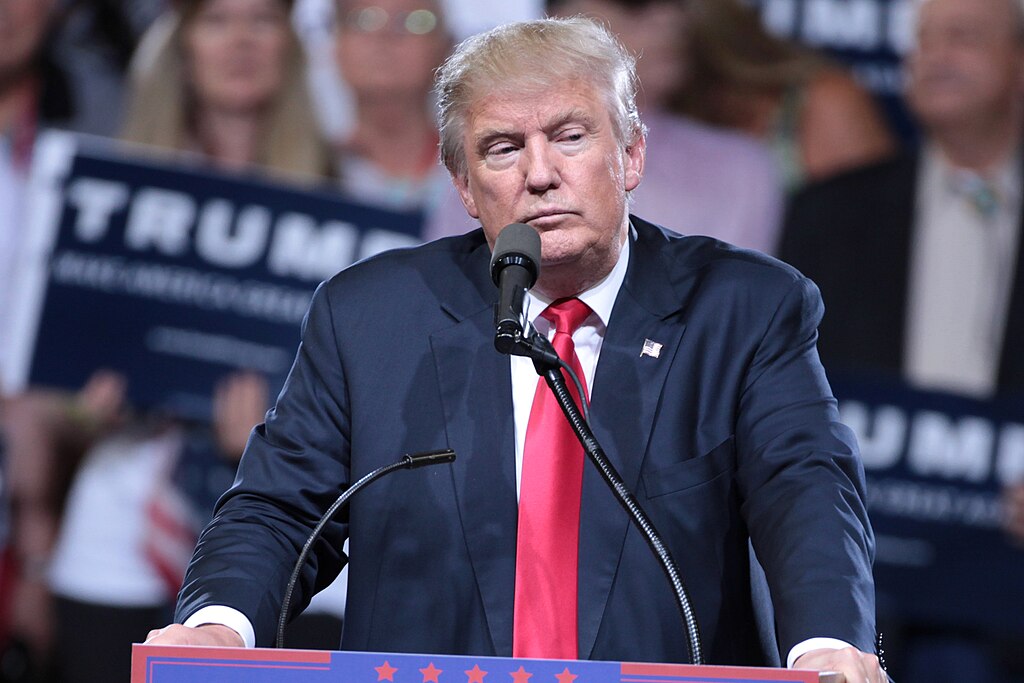
In a bold move, Donald Trump has pledged to reach out to Russian President Vladimir Putin “as quickly as possible” if he returns to the White House, aiming to bring an end to the ongoing war in Ukraine. According to Kurt Volker, a former U.S. envoy to Ukraine who was involved in negotiations with Russia during Trump’s administration, Trump plans to make this phone call a priority, believing he can leverage his past relationship with Putin to restore peace.
Volker’s revelation has stirred controversy and raised questions about Trump’s approach to foreign policy, with critics questioning whether a single phone call could realistically shift the dynamics of an entrenched conflict. However, Trump and his supporters argue that his direct communication style and past dealings with global leaders give him an edge in handling such complex issues. “He’ll simply tell Putin he needs to stop the war,” Volker stated, emphasizing Trump’s intent to take immediate action.
Trump’s Approach: Can a Call Really End the War?
While Trump’s confidence in his negotiation skills is well known, critics are skeptical that a phone call alone could end a conflict that has claimed thousands of lives and led to severe economic and political consequences worldwide. “The idea that a simple call could change Putin’s course is optimistic, at best,” said political analyst Sarah Morgan. “It overlooks the deep-seated strategic interests and grievances that both Russia and Ukraine hold.”
However, Trump’s allies argue that his track record of unconventional diplomacy, from meeting North Korean leader Kim Jong Un to pushing NATO allies to increase defense spending, suggests he might have the influence needed to change the conversation with Moscow. Trump has often touted his strong relationship with Putin, claiming he understands the Russian president’s motivations better than his successors.
In a recent interview, Trump hinted at his approach, suggesting that his familiarity with Putin could allow him to achieve results faster than current diplomatic efforts. “I know how to deal with him,” Trump reportedly told associates. “We’d have peace in Ukraine by now if I were in office.”
Mixed Reactions from International Observers
The international community is watching closely, with responses to Trump’s plan divided. Some foreign policy experts warn that direct intervention from Trump could backfire if it signals to Putin that the U.S. is willing to negotiate on softer terms. Others, however, see Trump’s proposal as a possible avenue for reducing tensions, given the current deadlock in negotiations and the escalating human and economic toll of the war.
On social media, reactions were swift. Some supporters praised Trump’s readiness to act decisively, contrasting it with what they see as prolonged and ineffective measures from the Biden administration. “Trump gets things done – no endless negotiations, just straight to the point,” tweeted one supporter.
Detractors, however, voiced concern over Trump’s past praise of authoritarian leaders, with one critic stating, “Trump’s admiration for strongmen like Putin is troubling. Is he really the person to broker peace?”
A High-Stakes Promise with Uncertain Outcomes
As Trump eyes a return to the Oval Office, his promise to “make a call” to Putin as a solution to the Ukraine crisis is emerging as a focal point of his campaign’s foreign policy narrative. The former president’s track record of breaking diplomatic norms appeals to some voters who view traditional channels as ineffective, but it also raises the stakes for an already volatile situation.
Volker’s comments have added fuel to the ongoing debate about Trump’s influence on international relations. Some observers speculate that Putin might welcome Trump’s direct outreach, but only if it aligns with Russia’s long-term interests in the region. Meanwhile, Ukrainian leaders and European allies have expressed concerns about the potential implications of Trump’s approach, fearing it could undermine Ukraine’s sovereignty if concessions are made.
Whether Trump’s proposed phone call would mark the beginning of a peaceful resolution or further complications remains to be seen. But as the former president positions himself as the leader capable of ending one of the world’s most pressing conflicts, his words are sparking both hope and apprehension in equal measure.
As Trump’s re-election bid gains momentum, his promise to call Putin “immediately” could become a defining element of his campaign, offering voters a stark contrast to current diplomatic efforts. The world, it seems, will be watching closely to see if a phone call from Trump could truly change the course of history – or if it’s merely rhetoric aimed at energizing his base.







