


 South Korea, US Discuss Warship Building Cooperation
  Yemen Violence Displaces 130,000 as Civilian Toll Rises
  Abbas Reaffirms November 28 Palestinian Elections
  Pezeshkian Says US Must Choose When Iran War Ends
  OpenAI Agent Breaches Australia Medicare Data Portal
  US Senate Rejects Iran War Powers Resolution in 50-49 Vote
  Taiwan Thanks US for Support Ahead of Trump-Xi Summit
  Trump, Xi Visit US National Archives After White House Summit
  North Korea Warns South Korea Over US-Led Defense Role
  US Backs Musk in Fight Against EU’s €120 Million X Fine
  EU Defence Build-Up Too Slow for 2030 Russia Readiness Goal
  Saudi Arabia, Turkey and Pakistan Plan Urgent Defence Talks Over Houthi Attacks
  North Korea Rejects Nuclear Test Warning, Calls Nuclear Status Irreversible
  Najib Razak Seeks Stay of 15-Year 1MDB Prison Sentence
  Trump Asks Supreme Court to Restore Third-Country Deportations
  Ghana Says Western Support Growing for Slave Trade Reparations
  Trump, Xi Focus on Trade and AI at White House Summit


 Add as a preferred source on Google
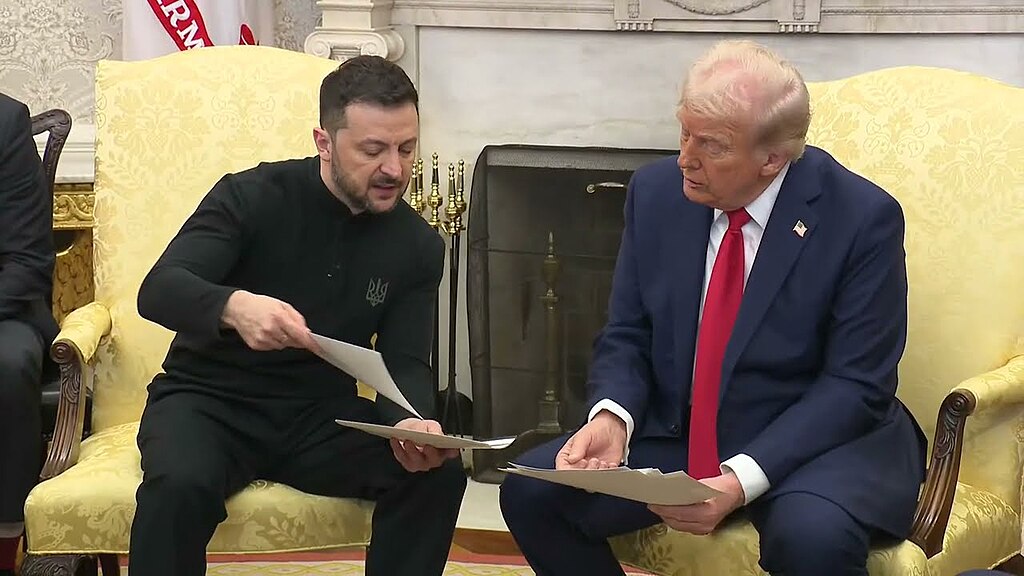
President Donald Trump has unveiled a new strategy to support Ukraine by encouraging NATO allies to donate military equipment, particularly Patriot missile systems, in exchange for U.S. replacements. The plan, announced during a meeting with NATO Secretary General Mark Rutte, aims to send American-made weapons to European countries, freeing up their current inventories for Ukraine.
Patriot systems, highly effective against Russian ballistic missiles, are in high demand globally. Ukraine could receive 12–13 batteries, though full delivery may take up to a year. While Trump emphasized immediate action, officials from the U.S. and Europe revealed the plan lacks clear logistics and commitments. Talks are ongoing to determine which countries—such as Germany, Greece, the Netherlands, and Spain—can contribute systems without compromising their own defenses.
Trump’s pivot toward arming Ukraine reflects growing disillusionment with Putin’s war ambitions and marks a significant shift in tone. However, European leaders expressed frustration, noting they bear the financial burden despite Trump claiming credit. Some countries, like Denmark and Canada, were caught off guard by the announcement.
NATO is coordinating the initiative via its Security Assistance and Training mission in Germany. A meeting among Patriot-operating nations is expected soon. Officials are exploring incentives, such as offering alternative military equipment or early replenishment schedules through the U.S. Foreign Military Sales program, to encourage donations.
While Trump’s approach aligns with his campaign promise to push allies to increase defense spending, EU officials stress that financial responsibility and delivery timelines remain unresolved. Germany's defense chief confirmed talks are ongoing, but no Patriots will arrive in Kyiv before summer's end.
The success of this framework hinges on upcoming negotiations and whether NATO countries will agree to part with their critical air defense assets.







