


 Taiwan Thanks US for Support Ahead of Trump-Xi Summit
  US Invites Putin to Miami G20, Opening Door to Trump Summit
  Pezeshkian Says US Must Choose When Iran War Ends
  NATO Boosts Intelligence Sharing Amid Russia Hybrid Threats
  North Korea Warns South Korea Over US-Led Defense Role
  Netanyahu’s Brief US Trip Highlights Strains With Trump
  Judge Orders Trump to Restore White House Access for CNN, MS NOW and Politico
  US Senate Rejects Iran War Powers Resolution in 50-49 Vote
  US Backs Musk in Fight Against EU’s €120 Million X Fine
  EU Defence Build-Up Too Slow for 2030 Russia Readiness Goal
  Yemen Violence Displaces 130,000 as Civilian Toll Rises
  Ghana Says Western Support Growing for Slave Trade Reparations
  Russian Missile and Drone Attack on Kyiv Kills Two, Damages Maternity Hospital
  Russian Envoy Dmitriev Heads to US for Ukraine Talks
  US Officials Split Over Response to Israeli West Bank Settlements
  Trump Asks Supreme Court to Restore Third-Country Deportations
  Trump, Xi Focus on Trade and AI at White House Summit


 Add as a preferred source on Google
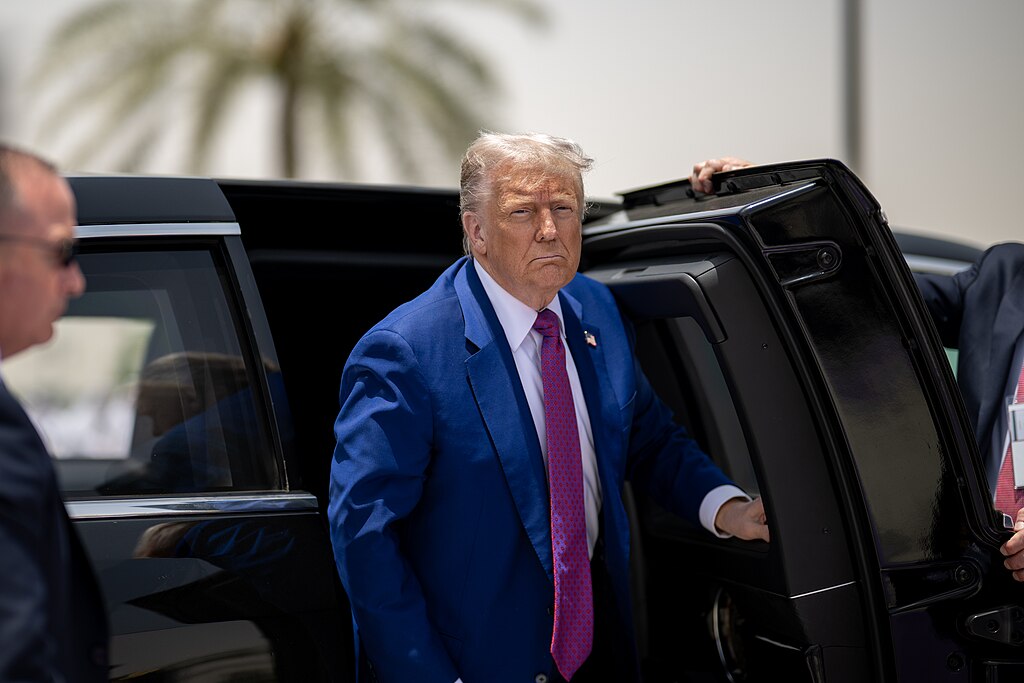
Global financial markets and world leaders are navigating a wave of cautious optimism mixed with uncertainty after President Donald Trump announced a breakthrough in U.S.-Iran negotiations, including what he described as Iran's agreement to fully reopen the strategically vital Strait of Hormuz.
The turbulence began Friday when Trump took to social media to claim Iran had consented to surrender its enriched uranium stockpile and unblock the strait — a waterway that facilitates roughly one-fifth of the world's crude oil supply. The announcement initially sparked hopes for lasting de-escalation following a conflict that erupted in late February. However, those hopes were quickly tempered by Iranian pushback. Lawmaker Mahmoud Nabavian denied the strait was "fully open," asserting that Iran would continue collecting tolls on commercial shipping — a position reinforced by state-aligned Iranian media.
Adding to the confusion were conflicting reports about the financial terms of a possible deal. Sources familiar with the negotiations suggested the U.S. offered Iran access to $20 billion in frozen assets in exchange for uranium concessions — a claim Trump later publicly denied. Analysts widely view Trump's conflicting declarations as a calculated pressure tactic designed to accelerate Tehran's decision-making toward a final agreement.
Despite the diplomatic fog, formal talks appear to be progressing. Senior U.S. officials indicated that Pakistan-mediated negotiations could resume as early as Monday, with Vice President JD Vance, Steve Witkoff, and Jared Kushner expected to lead the American delegation. French President Emmanuel Macron and British Prime Minister Keir Starmer have both called for measured expectations, stressing that any breakthrough must translate into durable, enforceable solutions before energy markets can confidently price in a peace premium.
The permanent administration of the Strait of Hormuz remains the central sticking point, with Gulf energy producers and major Asian and European consumers expressing alarm over any potential Iranian control of the passage. Trump has maintained that U.S. military pressure on Iranian ports will continue until a final agreement is signed.







