


 European Stocks Fall as Bond Yields and Geopolitical Risks Weigh
  Trump, Xi Visit US National Archives After White House Summit
  US Northeast Airports Resume Operations After Telecom Outage Disrupts Thousands of Flights
  Soybean Futures Slip as Traders Await Trump-Xi Trade Signals
  What ‘Taiwan Independence’ Means as Xi Presses Trump on US Policy
  China Tightens Fentanyl Rules Ahead of Trump-Xi Summit
  Evan Gershkovich Says FSB Set Trap for 2023 Russia Arrest
  US Bans Canadian Alcohol, Motorcycles as Trade War Escalates
  Trump Administration Plans Faster FDA Reviews for Smoke-Free Nicotine Products
  Canada Unveils Bill to Fast-Track Major Resource Projects
  Australia Tightens Student Visa Rules, Targets Migration Cut by 2028
  US Judge Dismisses Imran Ahmed Deportation Lawsuit
  Judge Orders Trump to Restore White House Access for CNN, MS NOW and Politico
  Pope Leo Backs Press Freedom After White House Media Ban
  Trump Bans CNN, MS NOW and Politico From White House
  Oil Prices Ease as Iran Tensions Clash With Diplomacy Hopes
  Trump Scales Back Endangered Species Act Protections


 Add as a preferred source on Google
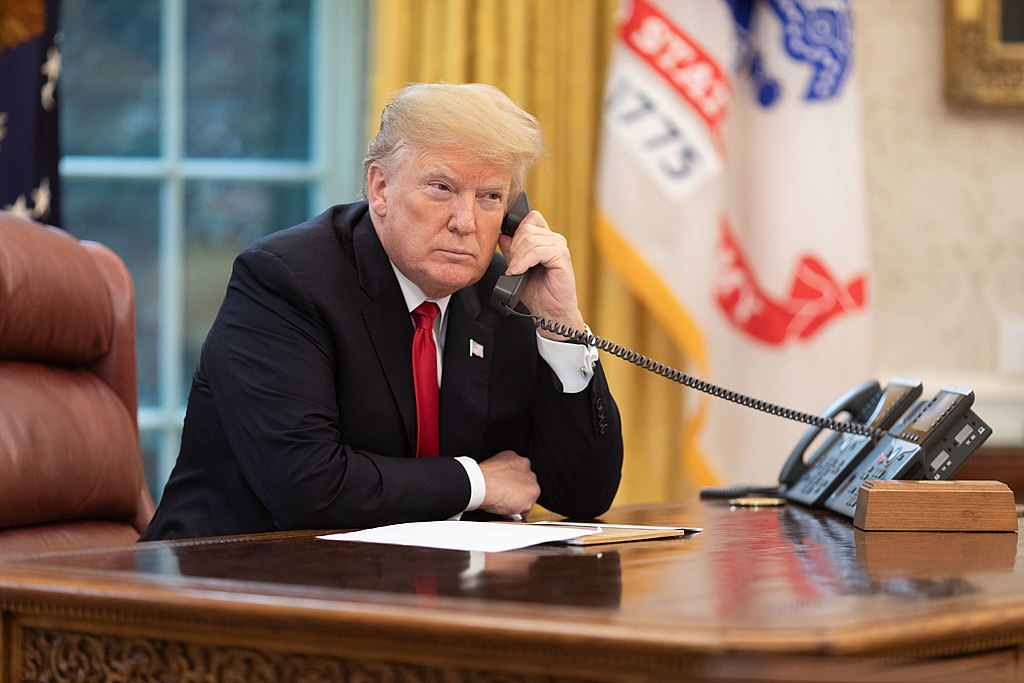
U.S. President Donald Trump is preparing to sign a series of executive orders by Thursday to impose higher tariffs on nations that failed to secure new trade deals with Washington before his self-imposed August 1 deadline, according to Politico. The move marks the latest escalation in Trump’s “reciprocal” tariff strategy aimed at narrowing trade deficits and pressuring countries into renegotiated agreements.
The tariffs are expected to affect major U.S. trading partners, including Canada, Mexico, and Taiwan, prompting last-minute diplomatic efforts to avoid steep penalties. The White House emphasized there will be no deadline extensions, a shift from earlier rounds of tariff negotiations initiated in April.
Trump has already introduced tariffs of up to 50% on Brazilian goods, removed exemptions for low-value imports, and imposed duties on copper products. Recent agreements with South Korea and Pakistan have linked tariff relief to investments and energy cooperation.
On Wednesday, Trump announced plans to impose a 25% tariff on Indian goods, though negotiations for a final deal are ongoing. Other countries, including Taiwan, Lesotho, and Switzerland, face potential tariff hikes if they fail to address U.S. trade concerns.
This aggressive trade stance is part of Trump’s broader economic agenda to boost domestic industries and leverage tariffs as a bargaining tool. Analysts warn the new measures could strain global trade relations and raise costs for U.S. consumers and businesses if negotiations fail to deliver quick resolutions.
The looming tariffs underscore Trump’s willingness to use executive authority to reshape global trade dynamics ahead of key political milestones, increasing uncertainty in international markets as affected nations scramble for last-minute compromises.







