


 Oil Prices Surge as U.S.-Iran Diplomacy Hopes Fade
  Sudan Rejects US Legitimacy Remarks, Defends Sovereignty
  Saudi Arabia, Turkey and Pakistan Plan Urgent Defence Talks Over Houthi Attacks
  North Korea Rejects Nuclear Test Warning, Calls Nuclear Status Irreversible
  Fed Unveils Stablecoin Rules Under GENIUS Act
  RBI Uses $10 Billion Currency Swaps to Drain Excess Rupee Liquidity
  Ukrainian Drone Attacks Hit Russian Regions, Injuring at Least 12
  Asian Stocks Fall as Surging Bond Yields Rattle Markets
  Najib Razak Seeks Stay of 15-Year 1MDB Prison Sentence
  EU Defence Build-Up Too Slow for 2030 Russia Readiness Goal
  South Korea, US Discuss Warship Building Cooperation
  Soybean Futures Slip as Traders Await Trump-Xi Trade Signals
  China’s ‘Lipstick King’ Says AI Won’t Replace Livestream Hosts
  Wall Street Falls as Treasury Yields Surge, Oil Rebounds on Iran Tensions
  US Backs Musk in Fight Against EU’s €120 Million X Fine
  U.S. 10-Year Treasury Yield Hits 2007 High as Fed Rate Hike Bets Rise
  US Senate Rejects Iran War Powers Resolution in 50-49 Vote


 Add as a preferred source on Google
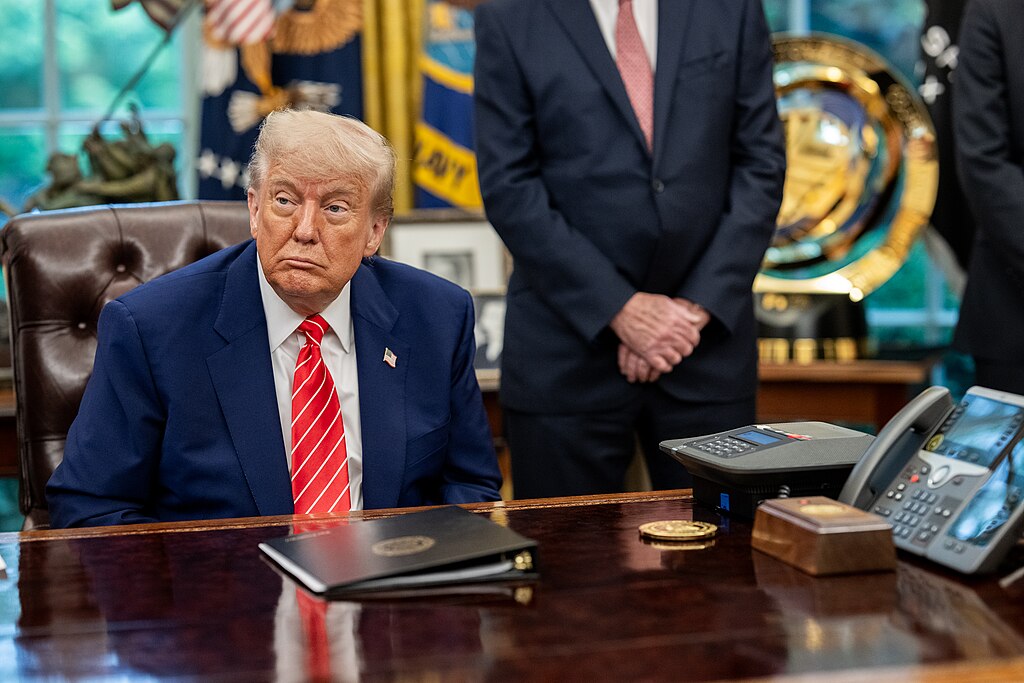
U.S. President Donald Trump is reportedly considering a new round of national security tariffs targeting several major industries after a recent Supreme Court ruling deemed many of his previous levies illegal. According to a Wall Street Journal report citing sources familiar with the matter, the proposed tariffs could affect sectors including large-scale batteries, cast iron and iron fittings, plastic piping, industrial chemicals, as well as power grid and telecommunications equipment.
The potential move signals a renewed effort by the Trump administration to reshape U.S. trade policy and strengthen domestic manufacturing. The new tariffs would reportedly be imposed under Section 232 of the Trade Expansion Act of 1962. This provision grants the president broad authority to restrict imports if they are determined to threaten U.S. national security. Trump has previously used Section 232 to levy tariffs on steel, aluminum, copper, and automobile parts—measures that remain in place and were not impacted by the Supreme Court’s recent decision.
Last week’s ruling limited parts of Trump’s earlier tariff strategy, prompting the administration to explore alternative legal avenues. In response, Trump also announced new 15% tariffs that can remain in effect for up to 150 days without congressional approval. These measures are separate from the proposed Section 232 tariffs currently under consideration.
If implemented, the new tariffs could have significant implications for global trade, supply chains, and the broader U.S. economy. Industries tied to energy infrastructure, telecommunications, and industrial manufacturing may face higher import costs, potentially influencing pricing and investment decisions. Supporters argue the tariffs would protect critical supply chains and enhance national security, while critics warn of potential retaliation and higher costs for American businesses and consumers.
As trade tensions evolve, investors and market participants are closely monitoring developments in U.S. tariff policy and its potential impact on economic growth, inflation, and international trade relations.







