


 Russian Missile and Drone Attack on Kyiv Kills Two, Damages Maternity Hospital
  U.S. Treasury Yields Surge as 30-Year Hits 22-Year High
  Dollar Holds Near Two-Month High as Yen Approaches 160
  Pezeshkian Says US Must Choose When Iran War Ends
  Trump, Xi Visit US National Archives After White House Summit
  Mexico-US Trade Talks Delayed to October as Tariff Negotiations Continue
  Trump Asks Supreme Court to Restore Third-Country Deportations
  Judge Orders Trump to Restore White House Access for CNN, MS NOW and Politico
  What ‘Taiwan Independence’ Means as Xi Presses Trump on US Policy
  Taiwan Thanks US for Support Ahead of Trump-Xi Summit
  South Korea, US Discuss Warship Building Cooperation
  Fed Unveils Stablecoin Rules Under GENIUS Act
  Trump, Xi Focus on Trade and AI at White House Summit
  US Senate Rejects Iran War Powers Resolution in 50-49 Vote
  Oil Prices Ease as Iran Tensions Clash With Diplomacy Hopes
  Asian Stocks Fall as Surging Bond Yields Rattle Markets
  European Stocks Fall as Bond Yields and Geopolitical Risks Weigh


 Add as a preferred source on Google
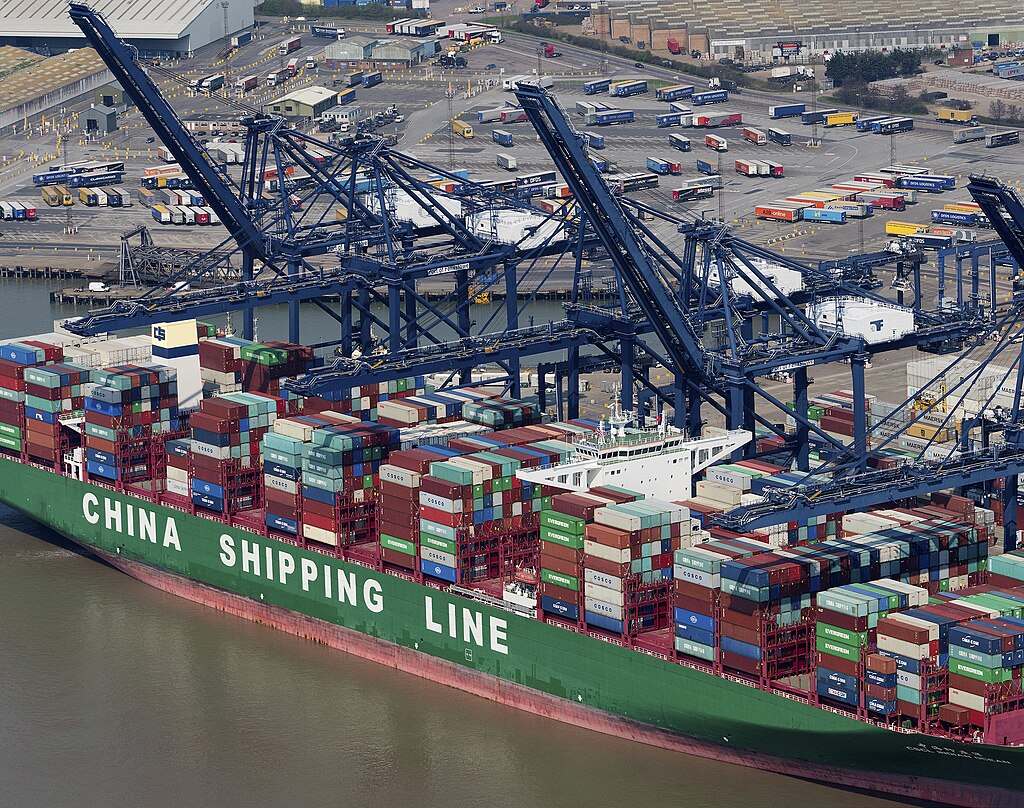
China’s commerce ministry announced that it is conducting a “full assessment” of the recent U.S. Supreme Court tariff ruling while urging Washington to remove what it described as “relevant unilateral tariff measures” imposed on trading partners. The statement comes amid renewed uncertainty in U.S.-China trade relations and escalating tensions tied to President Donald Trump’s tariff policies.
The U.S. Supreme Court recently struck down several tariffs introduced by President Trump as part of his broader global trade war strategy, including measures targeting China. The ruling marked a significant legal setback for the administration, raising questions about the future of U.S. trade policy and the legality of certain executive-imposed import duties.
Despite the court’s decision, Trump quickly responded by announcing a new 10% duty on all U.S. imports, a rate that was later increased to 15%. The move signaled the administration’s determination to continue leveraging tariffs as a key trade tool, even as legal challenges persist. The Chinese commerce ministry criticized the approach, stating that U.S. unilateral tariffs violate international trade rules and domestic U.S. law, and do not serve the interests of any party involved.
Beijing also noted that Washington appears prepared to maintain tariffs through alternative channels, including trade investigations and other legal mechanisms. China emphasized that it will closely monitor these developments and take necessary steps to safeguard its economic interests. The statement reflects ongoing friction between the world’s two largest economies, with both sides seeking to protect domestic industries while navigating complex legal and diplomatic pressures.
The latest developments unfold just ahead of President Trump’s planned visit to China from March 31 to April 2, where he is expected to meet with Chinese leaders for high-level discussions. The meeting is widely anticipated as a critical moment for U.S.-China trade negotiations, with global markets watching closely for signs of progress or further escalation in the trade dispute.







