


 Australia Defends Social Media Algorithm Law Amid US Concerns
  UK, Mauritius Seek Diego Garcia Base Deal
  S&P 500 Historically Rallies After Midterm Elections, UBS Says
  Fed Rate Hike Threatens Housing as U.S. Growth Leans on AI, Citi Says
  US, Japan and South Korea Back Taiwan Ahead of Trump-Xi Summit
  US Resumes Immigrant Visa Processing for Hungary, Poland
  Oil Prices Rise as U.S.-Iran Talks Fuel Diplomacy Hopes
  UK Home Asking Prices Rise for First Time Since May
  Wall Street Surges as Meta Leads AI Rally, Oil Prices Fall
  Diana’s Brother Backs Security for Harry and Meghan
  Who should own the knowledge that underpins AI technology?
  US Judge Dismisses Imran Ahmed Deportation Lawsuit
  Russian Drone Attacks Kill Four in Kyiv Region, Including Three Children
  FDA Weighs Safety Standards for Psychedelic Therapies
  Europe Jet Fuel Deficit Drives South Korean Imports to Four-Year High
  FCC Approves Foreign Investment in $110B Paramount-Warner Bros. Deal
  France Debt-to-GDP Ratio Seen Hitting Record 119.3% in 2026


 Add as a preferred source on Google
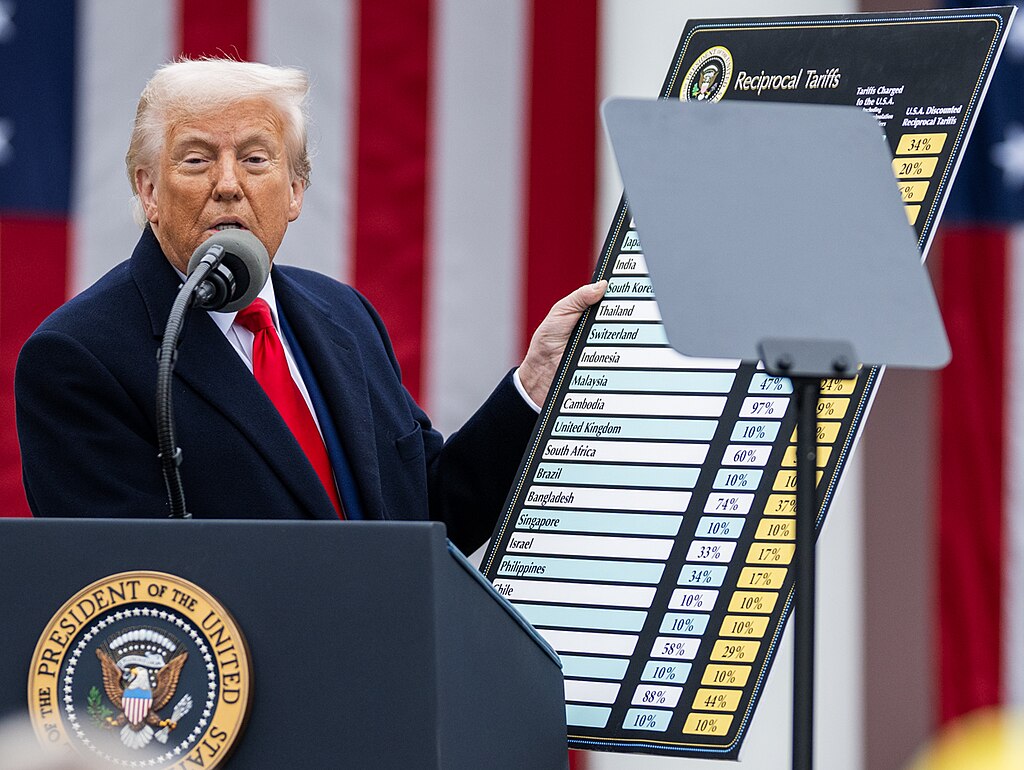
U.S. President Donald Trump announced plans to raise a temporary tariff on imports from all countries to 15%, up from 10%, following a Supreme Court decision that struck down a significant portion of his earlier trade tariffs. The new import duties will be imposed under Section 122 of U.S. trade law, a separate and largely untested legal authority. The move signals a renewed escalation in U.S. trade policy and could have wide-ranging implications for global markets, international trade agreements, and business stability.
U.S. Trade Representative Jamieson Greer said that none of the countries that previously reached trade agreements with Washington have indicated plans to withdraw following the Supreme Court ruling. His comments suggest that, despite legal uncertainty surrounding the tariffs, existing trade deals remain intact for now.
China’s Commerce Ministry responded by saying it is conducting a “full assessment” of the Supreme Court’s decision. Beijing urged the United States to remove what it called “unilateral tariff measures” affecting its trading partners. In an official statement, the ministry argued that U.S. tariffs violate international trade rules as well as domestic U.S. law, and warned that China would closely monitor developments while firmly safeguarding its economic interests.
The European Commission also reacted, calling on the United States to honor the terms of last year’s EU-U.S. trade deal. Officials stressed that the current situation undermines efforts to maintain “fair, balanced, and mutually beneficial” transatlantic trade and investment, emphasizing that agreed commitments must be respected.
European Central Bank President Christine Lagarde cautioned that renewed disruptions in U.S. trade policy could unsettle businesses and financial markets. She expressed hope that any new tariff measures would be clearly defined and legally sound to avoid further uncertainty.
Meanwhile, Switzerland’s State Secretariat for Economic Affairs indicated that U.S. tariffs may become a long-term reality, as the U.S. administration remains focused on reducing the trade deficit, increasing reciprocity, and boosting domestic production.







