


 Judge Orders Trump to Restore White House Access for CNN, MS NOW and Politico
  EU Defence Build-Up Too Slow for 2030 Russia Readiness Goal
  Fed Unveils Stablecoin Rules Under GENIUS Act
  Oil Prices Surge as U.S.-Iran Diplomacy Hopes Fade
  Saudi Arabia, Turkey and Pakistan Plan Urgent Defence Talks Over Houthi Attacks
  Netanyahu’s Brief US Trip Highlights Strains With Trump
  Russian Envoy Dmitriev Heads to US for Ukraine Talks
  Fed Unveils Stablecoin Rules Under GENIUS Act
  Ghana Says Western Support Growing for Slave Trade Reparations
  NATO Boosts Intelligence Sharing Amid Russia Hybrid Threats
  France Defends Netanyahu Airspace Clearance Despite ICC Warrant
  China’s ‘Lipstick King’ Says AI Won’t Replace Livestream Hosts
  Najib Razak Seeks Stay of 15-Year 1MDB Prison Sentence
  Yemen Violence Displaces 130,000 as Civilian Toll Rises
  US, China Extend Trade Truce to Jan. 10 Ahead of Trump-Xi Summit
  Dollar Holds Near Two-Month High as Yen Approaches 160
  Sudan Rejects US Legitimacy Remarks, Defends Sovereignty


 Add as a preferred source on Google
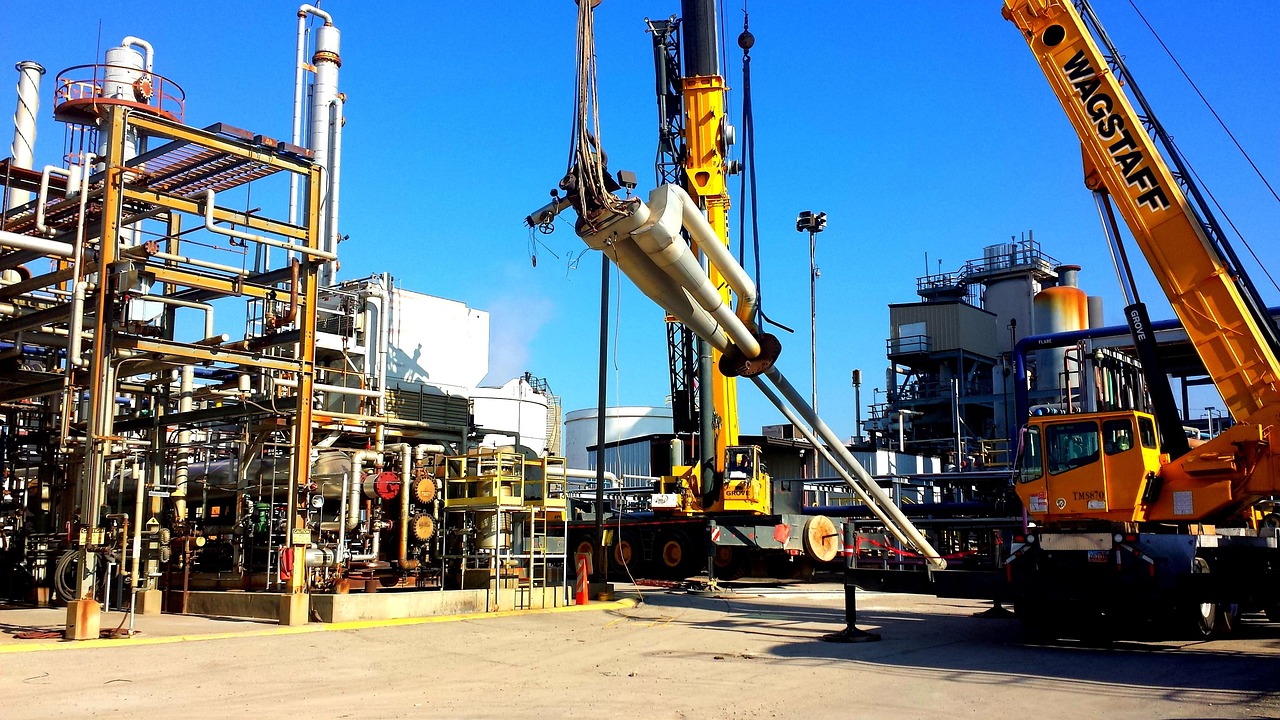
U.S. President Donald Trump’s pledge to unlock more Venezuelan oil barrels following the capture of President Nicolas Maduro has heightened geopolitical tensions, but analysts say it is unlikely to meaningfully impact an already oversupplied global oil market. According to Kepler Cheuvreux analyst Bertrand Hodée, the current imbalance between supply and demand will continue to weigh on crude prices despite developments in Venezuela.
Hodée noted that global oil markets are facing a surplus of more than 4 million barrels per day in the first half of 2026, with an estimated oversupply of around 3.5 million barrels per day for the full year. In this context, Venezuela’s export outlook is not large enough to “move the needle,” leading Kepler Cheuvreux to reiterate its bearish outlook for Brent crude, forecasting prices around $55 per barrel this year.
In the near term, Venezuela’s oil production is expected to face further disruptions. U.S. sanctions and political uncertainty in Caracas are likely to reduce exports in the coming days and weeks, as tanker loading authorizations stall and operational paralysis sets in. Adding to the bearish sentiment, industry sources cited by Hodée suggest that Chevron’s roughly 250,000 barrels per day of Venezuelan oil shipments to the U.S. have reportedly been halted.
State-owned oil company PDVSA is also under pressure, reportedly running out of storage capacity and asking joint ventures to cut production after output hovered near 1 million barrels per day late last year. While a more optimistic political scenario, including elections and the removal of U.S. sanctions, could allow production to rise toward 1.3 million barrels per day, a return to pre-2017 levels of around 2.2 million barrels per day would require substantial investment and is unlikely within the next five years.
Looking longer term, Hodée warned that any gradual return of Venezuelan barrels would remain bearish for global crude markets. Trump’s promise to involve major U.S. oil companies in rebuilding Venezuela’s infrastructure may face hurdles, as meaningful returns depend on political stability, improved fiscal terms, and resolution of outstanding arbitration claims, leaving limited upside for both U.S. and European oil majors.







