


 Xi Calls for Deeper U.S.-China AI Cooperation in Trump Talks
  Pezeshkian Says US Must Choose When Iran War Ends
  Dollar Falls as Oil Eases, Yen Jumps on Intervention Signals
  Evan Gershkovich Says FSB Set Trap for 2023 Russia Arrest
  U.S. Dollar Hits Two-Month High as Oil, Treasury Yields Surge
  Japanese Yen Rebounds as Trump Flags Currency Weakness
  Trump, Xi Visit US National Archives After White House Summit
  Oil Prices Fall on U.S.-Iran Hormuz Deal Hopes
  US Backs Musk in Fight Against EU’s €120 Million X Fine
  Fed’s Hammack Says Bond Yield Surge Is Not Driven by Inflation Fears
  U.S. Treasury Yields Surge as 30-Year Hits 22-Year High
  Dollar Holds Near Two-Month High as Yen Approaches 160
  Wall Street Ends Flat as Oil, Treasury Yields and Fed Jitters Rattle Markets
  Yemen Violence Displaces 130,000 as Civilian Toll Rises
  Canadian Dollar Faces Pressure as Fed-BoC Policy Gap Widens
  US Comfortable With Canada Trade Standoff as Import Bans Loom
  NATO Boosts Intelligence Sharing Amid Russia Hybrid Threats


 Add as a preferred source on Google
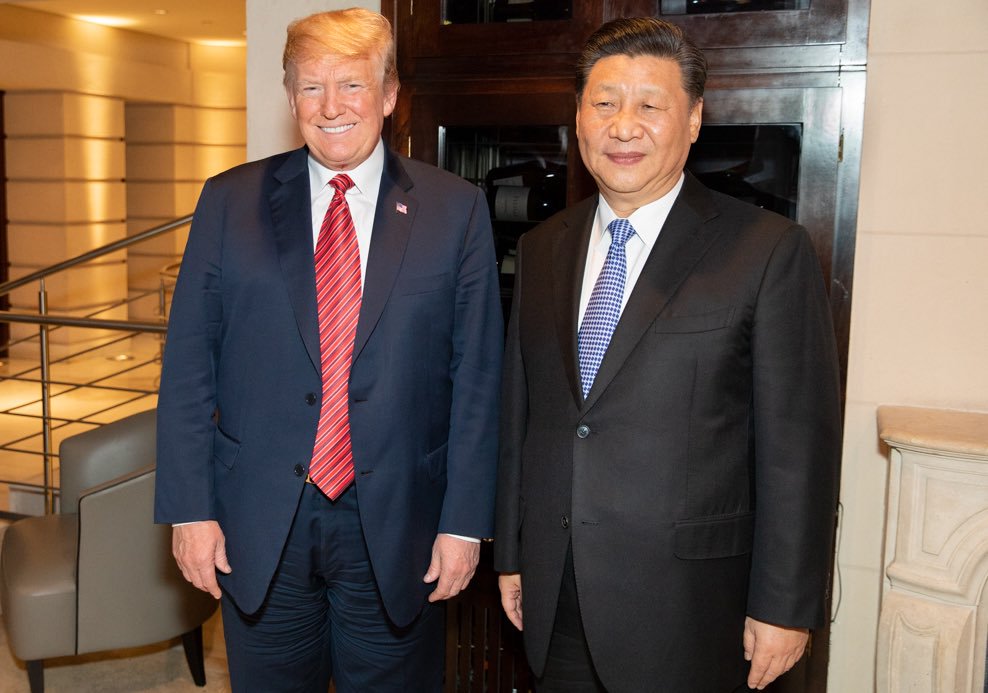
U.S. President Donald Trump announced that soybeans will be a key topic when he meets Chinese President Xi Jinping later this month, highlighting ongoing trade tensions that continue to weigh on American farmers. Trump, writing on Truth Social, said China is deliberately holding off on buying U.S. soybeans “for negotiating reasons only,” a strategy that has already cost U.S. farmers billions in lost sales.
The meeting is scheduled to take place during the Asia-Pacific Economic Cooperation (APEC) forum in Gyeongju, South Korea, in late October. Trump emphasized that soybean farmers, who are facing intense pressure due to China’s pivot to South American suppliers, remain at the center of these trade talks. Autumn is a critical marketing season for U.S. soybeans, yet Chinese importers have largely avoided American crops, further depressing market prices.
Senator John Hoeven of North Dakota noted that U.S. Ambassador to China David Perdue offered no immediate signs that Chinese purchases would resume, stressing instead the need to maintain pressure while supporting farmers through government measures. Trump reiterated his promise to use tariff revenues to aid U.S. agriculture.
The former president also revealed plans to visit China early next year, with Xi expected to make a reciprocal trip to the U.S. later. Analysts say both governments are exploring ways to reduce trade friction, raising speculation that Beijing could eventually direct more agricultural purchases toward the U.S. as part of a broader deal.
During Trump’s first term, the 2020 Phase One trade agreement included commitments for China to buy tens of billions of dollars in U.S. farm products. However, Beijing never met its purchase targets and has since expanded efforts to diversify food imports. Chinese officials continue to emphasize that cooperation should be “mutually beneficial,” urging Washington to work toward implementing shared understandings between both leaders.







