


 Abbas Reaffirms November 28 Palestinian Elections
  Trump Asks Supreme Court to Restore Third-Country Deportations
  Taiwan Thanks US for Support Ahead of Trump-Xi Summit
  Trump Administration Plans Faster FDA Reviews for Smoke-Free Nicotine Products
  Ghana Says Western Support Growing for Slave Trade Reparations
  China Tightens Fentanyl Rules Ahead of Trump-Xi Summit
  North Korea Rejects Nuclear Test Warning, Calls Nuclear Status Irreversible
  FCC Approves Foreign Investment in $110B Paramount-Warner Bros. Deal
  US Bans Canadian Alcohol, Motorcycles as Trade War Escalates
  Netanyahu Defends Israel at UN as Delegates Stage Walkout
  DOJ Will Investigate AI-Related Crimes, Attorney General Blanche Says
  Saudi Arabia, Turkey and Pakistan Plan Urgent Defence Talks Over Houthi Attacks
  North Korea Warns South Korea Over US-Led Defense Role
  China Reviews Broadcom Switch Use in State Data Centres
  Trump, Xi Visit US National Archives After White House Summit
  Trump, Xi Focus on Trade and AI at White House Summit


 Add as a preferred source on Google
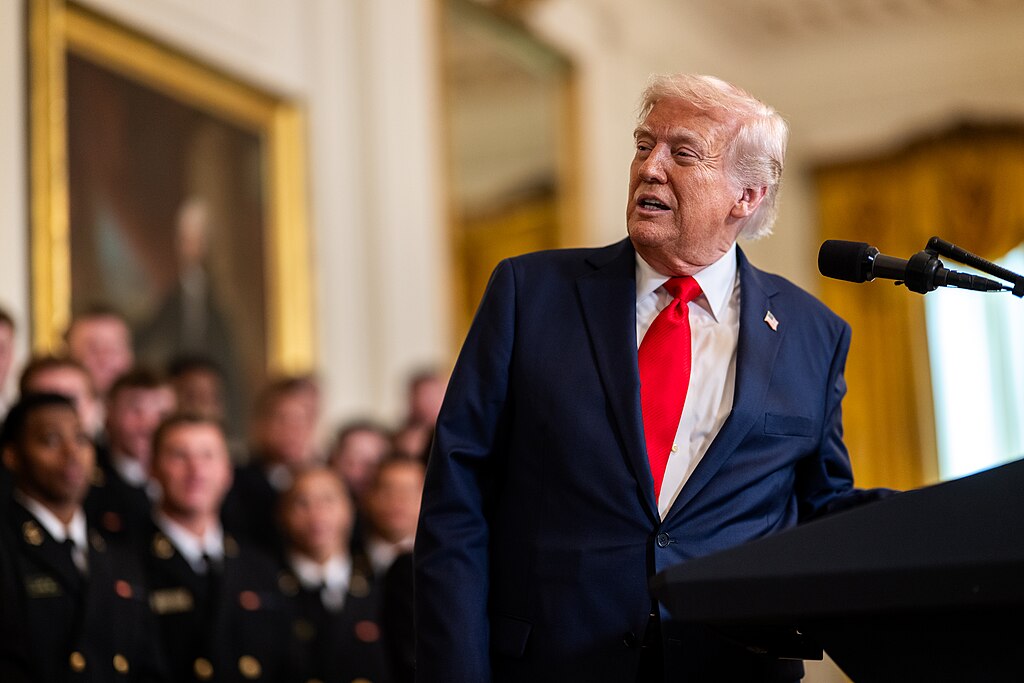
U.S. President Donald Trump is expected to sign a new executive order as early as next week to lower prescription drug prices by linking Medicare payments to lower international rates, according to a Politico report. The move revives the "most favored nation" pricing model, which would align U.S. drug costs with those paid in other developed countries.
This plan is part of Trump’s ongoing effort to cut soaring drug costs in the U.S., where prices are often nearly triple those in comparable nations. Trump stated this week that Americans are being “ripped off” and promised a major announcement related to drug pricing reforms. The White House aims to curb spending on high-cost medications under Medicare, the federal program that covers over 60 million Americans.
The executive order is expected to instruct federal agencies to initiate a pilot program, reviving a previously blocked policy from Trump’s first term. That proposal, halted by a court ruling, was projected to save U.S. taxpayers over $85 billion across seven years.
The pharmaceutical industry is bracing for pushback. One drug company executive labeled the policy an "existential threat" to innovation in the U.S. biosciences sector. Following the report, shares of top drugmakers dropped in after-hours trading—Eli Lilly fell over 3%, while Merck, Gilead Sciences, and Bristol Myers Squibb saw losses of around 2%.
This comes as President Joe Biden’s Inflation Reduction Act also pushes drug pricing reform through direct Medicare negotiations. Still, prices for key medications remain more than double—sometimes five times—the rates seen in other high-income countries.
If enacted, Trump's pricing policy could significantly reshape the pharmaceutical landscape and Medicare spending structure in the U.S.







