


 Trump, Xi Focus on Trade and AI at White House Summit
  Dollar Hits Two-Month High as Fed Rate Hike Bets Rise
  China’s ‘Lipstick King’ Says AI Won’t Replace Livestream Hosts
  Fed Unveils Stablecoin Rules Under GENIUS Act
  US, China Extend Trade Truce to Jan. 10 Ahead of Trump-Xi Summit
  Mexico-US Trade Talks Delayed to October as Tariff Negotiations Continue
  Australia Unemployment Hits Five-Year High Despite Strong Jobs Growth
  Japan Private-Sector Growth Slows as Domestic Demand Weakens
  US Stock Futures Fall as Treasury Yields Surge Ahead of Trump-Xi Summit
  U.S. Treasury Yields Surge as 30-Year Hits 22-Year High
  Gold Prices Fall as Treasury Yields Rise on Fed Rate Hike Bets
  European Stocks Slip as Iran Tensions Offset Strong Eurozone Data
  European Stocks Fall as Bond Yields and Geopolitical Risks Weigh
  US Dollar Hits Two-Month High as Fed Rate Hike Bets Rise
  Oil Prices Surge as U.S.-Iran Diplomacy Hopes Fade


 Add as a preferred source on Google
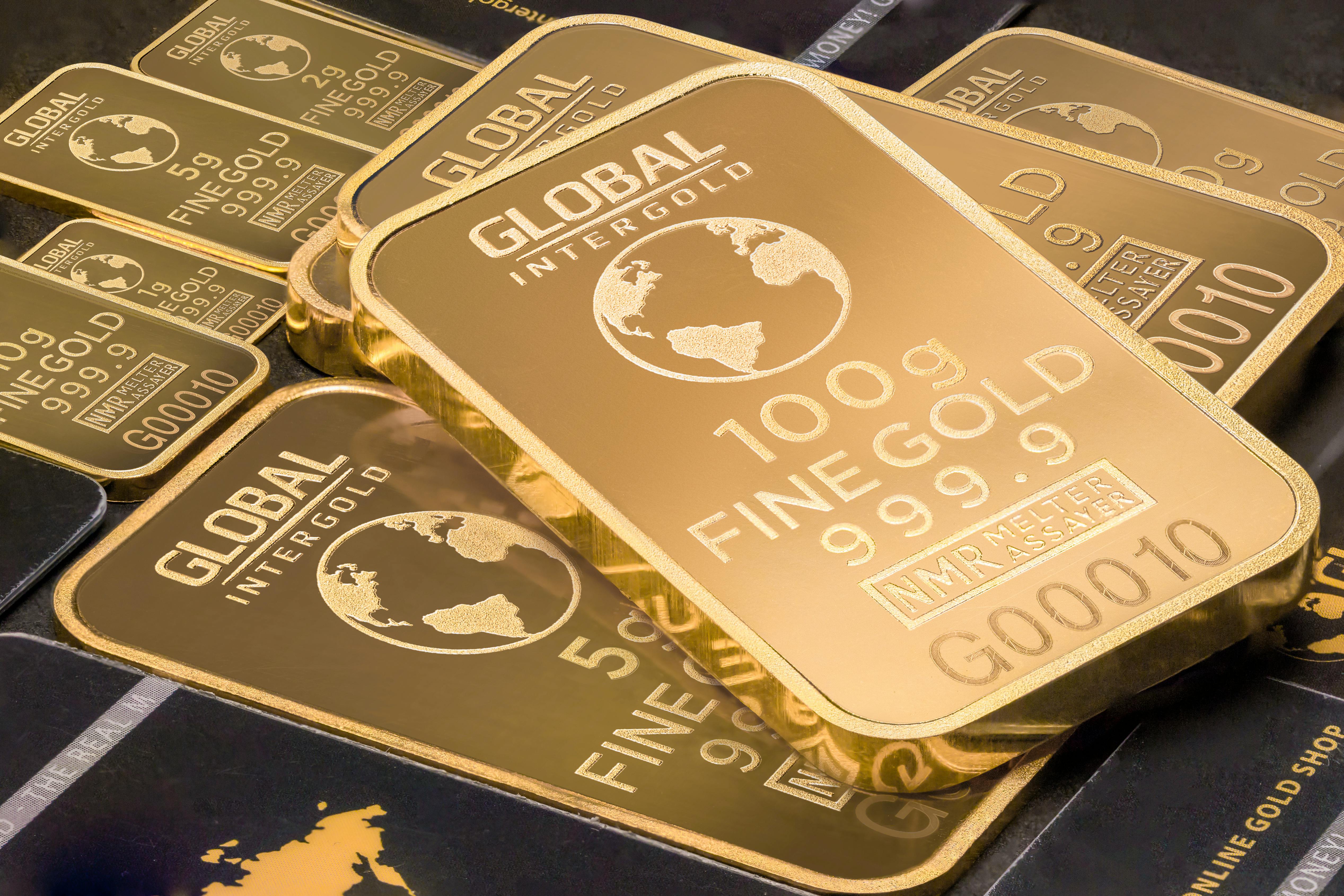
Gold prices remained largely unchanged during Asian trading on Monday as investors balanced ongoing geopolitical risks in the Middle East with growing expectations that the U.S. Federal Reserve could raise interest rates later this year.
Spot gold slipped 0.2% to $4,529.62 per ounce, while U.S. gold futures declined 0.7% to $4,559.22. Despite recent volatility, gold ended the previous week with modest gains amid hopes that the United States and Iran could extend a temporary ceasefire agreement.
Market participants remain cautious as negotiations between Washington and Tehran show limited progress toward a permanent ceasefire. Reports indicate that both countries have discussed extending the current truce and reopening critical shipping routes through the Strait of Hormuz. However, major disagreements remain unresolved, and any final deal still requires approval from U.S. President Donald Trump.
At the same time, Israel has intensified military operations in Lebanon against the Iran-backed Hezbollah group. The escalation has renewed concerns that regional instability could worsen, potentially disrupting energy markets and global trade.
Oil prices moved higher on Monday following Israel’s latest military actions, fueling concerns that elevated energy costs could contribute to persistent inflation. This has strengthened expectations that the Federal Reserve may maintain a hawkish monetary policy stance or implement additional interest rate hikes.
Higher interest rates typically reduce the appeal of non-yielding assets such as gold, as investors seek better returns elsewhere. Adding further pressure to bullion prices, the U.S. Dollar Index rose 0.2% during Asian trading hours, making gold more expensive for buyers using other currencies.
Although gold is traditionally viewed as a safe-haven asset during periods of geopolitical uncertainty and inflation, the precious metal has struggled in recent weeks. Gold recently touched a two-month low before recovering as ceasefire discussions temporarily eased fears of a broader conflict.
Investors are now closely monitoring upcoming speeches from Federal Reserve officials and key U.S. economic indicators, particularly labor market data, for clues about the future direction of interest rates. Meanwhile, silver gained 0.3% to $75.53 per ounce, while platinum advanced 1% to $1,939.95 per ounce.







