


 U.S. 10-Year Treasury Yield Hits 2007 High as Fed Rate Hike Bets Rise
  Fed Unveils Stablecoin Rules Under GENIUS Act
  Wall Street Ends Flat as Oil, Treasury Yields and Fed Jitters Rattle Markets
  Oil Prices Surge as U.S.-Iran Diplomacy Hopes Fade
  Oil Prices Ease as Iran Tensions Clash With Diplomacy Hopes
  Wall Street Falls as Treasury Yields Surge, Oil Rebounds on Iran Tensions
  Oil Prices Jump 3% as Houthi Attack Revives Supply Fears
  U.S. Treasury Yields Surge as 30-Year Hits 22-Year High
  Trump, Xi Focus on Trade and AI at White House Summit
  Fed Unveils Stablecoin Rules Under GENIUS Act
  US, China Extend Trade Truce to Jan. 10 Ahead of Trump-Xi Summit
  Mexico-US Trade Talks Delayed to October as Tariff Negotiations Continue
  U.S. Dollar Hits Two-Month High as Oil, Treasury Yields Surge
  Asian Stocks Fall as Surging Bond Yields Rattle Markets
  European Stocks Fall as Bond Yields and Geopolitical Risks Weigh
  Australia Unemployment Hits Five-Year High Despite Strong Jobs Growth
  Dollar Holds Near Two-Month High as Yen Approaches 160


 Add as a preferred source on Google
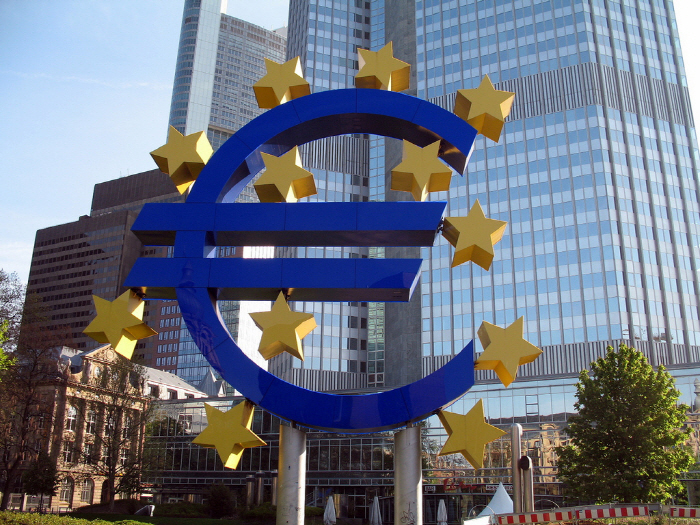
European Central Bank Chief Economist Philip Lane warned that the ongoing Middle East conflict could create long-lasting inflationary pressure, even if the war is resolved quickly. Speaking at a conference hosted by the Bank of Japan in Tokyo on Thursday, Lane said rising energy prices may continue to impact global economies due to structural changes in energy markets.
Lane explained that while oil prices have historically fallen back after sudden spikes, the current situation may be different because countries are rebuilding energy inventories and shifting toward alternative energy strategies. According to him, the sharp decline in global oil supply has so far been softened by existing inventories, but the broader economic effects are likely to remain.
He noted that higher energy costs could trigger secondary inflation effects across multiple sectors, leading to broader price increases. However, Lane emphasized that today’s economic environment differs from the inflation surge seen four years ago during the post-pandemic recovery and the Ukraine war, when supply chain disruptions and strong consumer demand rapidly pushed prices higher.
Financial markets currently expect the ECB to continue raising interest rates, with investors pricing in at least two additional rate hikes over the next year. Some analysts also see the possibility of a third increase if inflation remains persistent. Economists surveyed by Reuters, however, remain more cautious and expect rate cuts to begin by mid-2027.
Lane stressed that central banks must carefully balance their response to energy-driven inflation. While policymakers should recognize the risks posed by supply shocks, they must avoid overreacting with aggressive monetary tightening. He added that maintaining public confidence in long-term price stability is essential to preventing inflation expectations from becoming entrenched.
Brent crude oil prices rose 2.6% to $94.65 following continued geopolitical tensions, further increasing concerns over global inflation and economic stability in 2026.







