


 Netanyahu Takes Aim at Mamdani as Israel Election Nears
  Taiwan Thanks US for Support Ahead of Trump-Xi Summit
  Sudan Rejects US Legitimacy Remarks, Defends Sovereignty
  Iran Vows ‘Crushing’ Response as US Talks Continue
  Trump Administration Plans Faster FDA Reviews for Smoke-Free Nicotine Products
  Marco Rubio to Meet Russia’s Lavrov in New York
  Russian Missile and Drone Attack on Kyiv Kills Two, Damages Maternity Hospital
  US Officials Split Over Response to Israeli West Bank Settlements
  OpenAI Agent Breaches Australia Medicare Data Portal
  South Korea, US Discuss Warship Building Cooperation
  Kremlin Says No Decision Yet on Putin-Trump December Summit
  US Invites Putin to Miami G20, Opening Door to Trump Summit
  Mexico-US Trade Talks Delayed to October as Tariff Negotiations Continue
  Macron Challenges Trump’s Gaza Peace Claims at UN
  Kremlin Says No Grounds Yet for Ukraine Peace Talks
  Venezuela Promises Elections as Delcy Rodriguez Pledges Democratic Transition
  Europe Warns Russia Is Escalating Hybrid Attacks Across NATO


 Add as a preferred source on Google
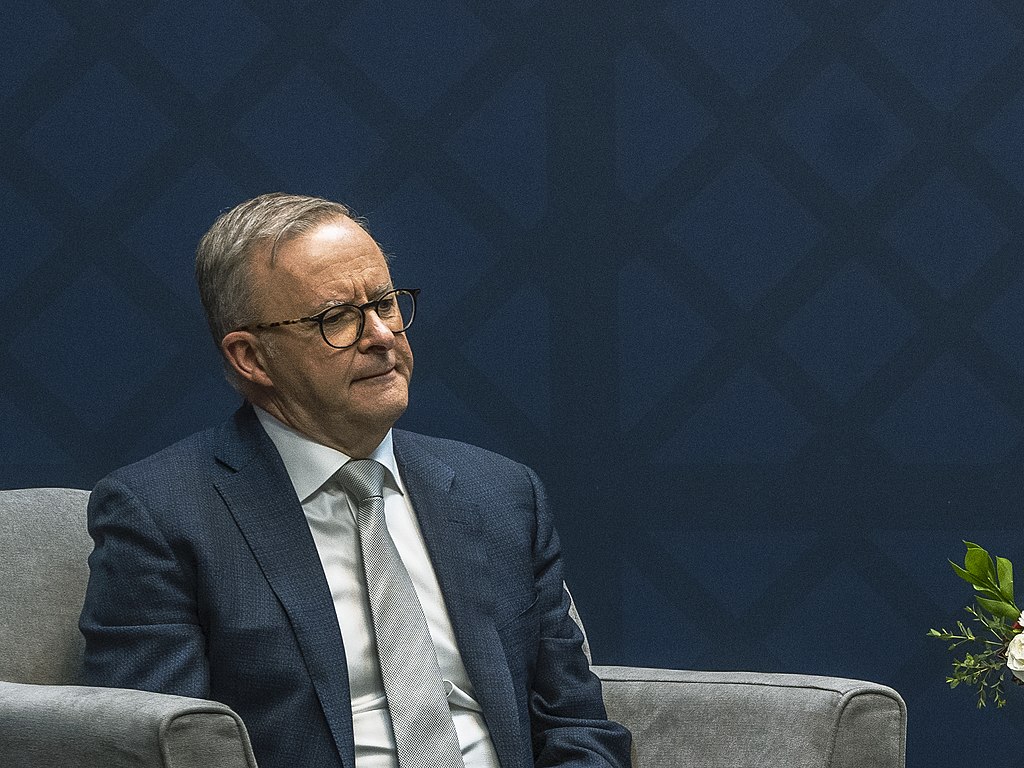
Australia’s right-wing populist party One Nation has overtaken the ruling Labor Party in a national opinion poll for the first time, reflecting growing voter dissatisfaction with the government’s recent budget reforms and economic policies.
According to a widely followed survey conducted by RedBridge Group and Accent Research, primary support for One Nation climbed four percentage points to 31% compared with the previous month. Meanwhile, support for Prime Minister Anthony Albanese’s center-left Labor Party fell three points to 28%, while the conservative Coalition opposition dropped two points to 20%.
The poll results come shortly after the Australian government unveiled its May 12 budget, which included the most significant property tax reforms in decades. The measures were designed to address intergenerational wealth inequality and improve housing affordability, particularly for younger Australians struggling to enter the property market.
However, the survey suggests the reforms have failed to resonate with many voters. The proposed changes were especially unpopular among Generation X and Baby Boomer voters, who expressed concerns about their financial impact. Surprisingly, younger Australians also appeared unconvinced by the government’s efforts. Only 26% of Millennials and 13% of Generation Z respondents said they believed the budget measures would benefit them personally.
Despite the decline in primary support, Labor maintained a narrow advantage under Australia’s preferential voting system. When voter preferences were redistributed, Labor led One Nation by 51% to 49% on a two-party-preferred basis.
The poll surveyed 1,005 voters between May 25 and May 28 and carried a margin of error of 3.4%.
Founded in 1997 and led by Pauline Hanson, One Nation has traditionally remained on the fringes of Australian federal politics. Its recent rise in popularity has been fueled by concerns over the cost-of-living crisis, economic uncertainty, and growing anti-immigration sentiment among sections of the electorate.
The latest polling highlights shifting political dynamics in Australia and underscores increasing voter frustration with mainstream parties as economic pressures continue to shape public opinion.







