


 Netanyahu Defends Israel at UN as Delegates Stage Walkout
  Taiwan Thanks US for Support Ahead of Trump-Xi Summit
  EU Defence Build-Up Too Slow for 2030 Russia Readiness Goal
  Abbas Reaffirms November 28 Palestinian Elections
  Venezuela Promises Elections as Delcy Rodriguez Pledges Democratic Transition
  US Senate Rejects Iran War Powers Resolution in 50-49 Vote
  Mexico-US Trade Talks Delayed to October as Tariff Negotiations Continue
  Russian Missile and Drone Attack on Kyiv Kills Two, Damages Maternity Hospital
  South Korea, US Discuss Warship Building Cooperation
  US Officials Split Over Response to Israeli West Bank Settlements
  North Korea Rejects Nuclear Test Warning, Calls Nuclear Status Irreversible
  Judge Orders Trump to Restore White House Access for CNN, MS NOW and Politico
  NATO Boosts Intelligence Sharing Amid Russia Hybrid Threats
  Yemen Violence Displaces 130,000 as Civilian Toll Rises
  Russian Envoy Dmitriev Heads to US for Ukraine Talks
  Sudan Rejects US Legitimacy Remarks, Defends Sovereignty
  US, China Extend Trade Truce to Jan. 10 Ahead of Trump-Xi Summit


 Add as a preferred source on Google
U.S. President Donald Trump and his national security team remain doubtful about Iran’s recent proposal to reopen the Strait of Hormuz while delaying discussions on its nuclear program, according to a Wall Street Journal report. The proposal was reviewed during a Monday morning meeting, where officials indicated that Trump did not dismiss it entirely but questioned Iran’s intentions and commitment to meaningful negotiations.
At the center of U.S. concerns is Iran’s reluctance to meet Washington’s primary demand: a complete halt to nuclear enrichment and a firm pledge never to develop nuclear weapons. The Trump administration has consistently emphasized that dismantling Iran’s nuclear capabilities remains a key objective in ongoing tensions.
Despite skepticism, the United States is expected to continue diplomatic efforts with Tehran. Reports suggest the White House may present a counterproposal in the coming days, signaling that negotiations are still active even as trust between the two nations remains fragile. Trump recently extended a ceasefire with Iran indefinitely, urging further dialogue, although Pakistan-mediated talks over the weekend failed to produce progress.
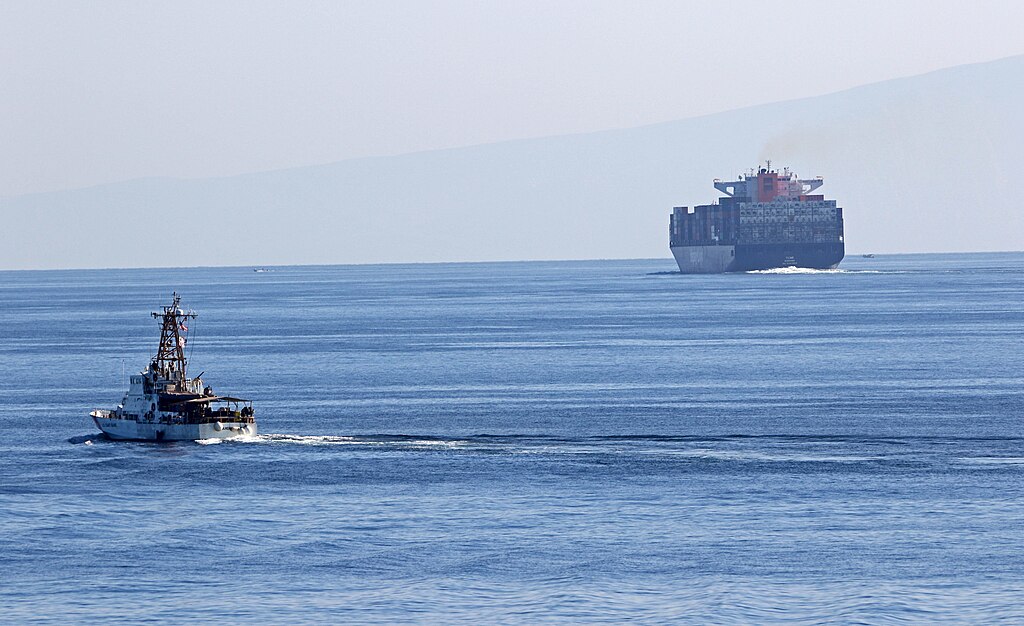
The Strait of Hormuz continues to be a major flashpoint in the conflict. Before its closure, the strategic waterway accounted for nearly 20% of global oil supply, making its status critical to international energy markets. The U.S. naval blockade of Iran and Tehran’s continued restrictions on the strait have intensified geopolitical tensions.
Trump previously suggested reopening the strait through military action but faced resistance from key allies unwilling to support a joint naval operation. Meanwhile, Secretary of State Marco Rubio rejected Iran’s idea of controlling passage through Hormuz, including proposals to charge tolls or accept cryptocurrency payments for transit.
Adding pressure, U.S. Treasury Secretary Scott Bessent warned that Iran’s oil industry could soon collapse under the weight of the blockade. With exports restricted and storage nearing capacity, production is expected to decline sharply, potentially leading to domestic fuel shortages. U.S. officials estimate Iran is losing approximately $500 million daily due to halted oil shipments, further escalating the economic impact of the conflict.







