


 US Appeals Court Allows Trump Military Enlistment Ban on Transgender Recruits, Protects Current Service Members
  US Sanctions Cuban President Miguel Diaz-Canel and Key Officials Amid Rising Tensions
  Japan, U.S. Discuss Yen Weakness as Currency Intervention Concerns Grow
  US Waives Iran Sanctions for 60 Days as Peace Talks Advance and Lebanon Sees Calm
  Anthropic AI Model Uncovers Vulnerabilities in Classified U.S. Government Systems During Security Test
  Marco Rubio Says U.S. Will Block IRGC-Linked Individuals From Iran World Cup Delegation
  Russia-Ukraine War: Fresh Strikes Injure Civilians as Fuel Crisis Worsens in Russia
  Tencent Reviews Marvelous Stake as Gaming Giant Reassesses Global Investment Strategy
  Samsung Electronics Stock Surges on Report of Massive $59 Billion Share Buyback Plan
  DOJ Opens Investigation Into NYC Coffee Shop Over Anti-Goldman Social Media Post
  Cerebras Revenue Forecast Tops Expectations, but Margin Concerns Weigh on Stock
  RFK Jr. Orders Extended Hantavirus Quarantine for Cruise Passenger
  UNAIDS Urges U.S. to Reconsider South Africa HIV Funding Withdrawal
  Meta Pauses Employee Activity Tracking Program Over Data Security Concerns
  Peru Election Dispute Deepens as Roberto Sanchez Rejects Runoff Results
  World Cup technology: from ref cams to AI analysts, cutting-edge research is changing the game
  Ryan Cohen Rejects GameStop Pay Package, Prepares New eBay Acquisition Plan


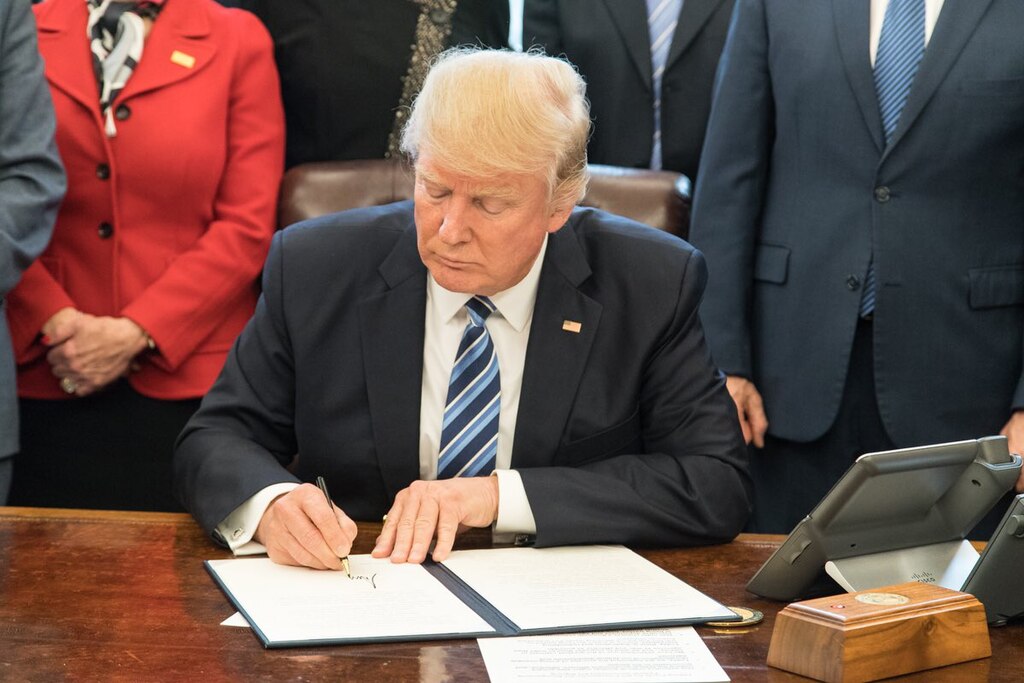
U.S. President Donald Trump has signed an executive order confirming his plan to sell TikTok’s American operations to U.S. and international investors, aiming to meet the national security requirements of the 2024 law that mandates the app’s divestiture. Enforcement of the law, which would otherwise ban TikTok in the U.S., has been postponed until December 16 to allow time for restructuring the deal and securing approval from both American regulators and the Chinese government.
Vice President JD Vance announced that the new U.S.-based TikTok company will be valued at around $14 billion, far below some Wall Street estimates. While ByteDance, TikTok’s Chinese parent, is valued at over $330 billion, analysts such as Wedbush’s Dan Ives estimate TikTok’s worth in the $30 billion to $40 billion range without its key algorithm. Ownership of this algorithm remains one of the most contentious details in the negotiations.
According to sources, a group led by Oracle and Silver Lake will acquire about 50% of TikTok U.S., while existing ByteDance investors such as KKR, General Atlantic, and Susquehanna International Group will hold around 30%. ByteDance itself will retain less than 20% in order to comply with U.S. law, but will still appoint one of seven board members, with the remaining seats controlled by Americans. Other high-profile investors, including Michael Dell and Rupert Murdoch, are also expected to participate.
Trump emphasized that the deal ensures TikTok will remain “American-operated all the way,” while protecting the privacy of its 170 million U.S. users. He credited TikTok with helping him connect with voters, noting his own 15 million followers on the app.
Although the White House has not explained the low $14 billion valuation, investor interest remains strong, with reports indicating additional global partners like Abu Dhabi’s MGX may secure a stake. Lawmakers have urged transparency to guarantee the deal fully severs ties with the Chinese government and safeguards American data.
This sale marks a critical step in resolving one of the most closely watched technology and national security disputes between Washington and Beijing.







