


 France Defends Netanyahu Airspace Clearance Despite ICC Warrant
  US Backs Musk in Fight Against EU’s €120 Million X Fine
  Mexico-US Trade Talks Delayed to October as Tariff Negotiations Continue
  North Korea Rejects Nuclear Test Warning, Calls Nuclear Status Irreversible
  Netanyahu’s Brief US Trip Highlights Strains With Trump
  Russian Missile and Drone Attack on Kyiv Kills Two, Damages Maternity Hospital
  North Korea Warns South Korea Over US-Led Defense Role
  Najib Razak Seeks Stay of 15-Year 1MDB Prison Sentence
  South Korea, US Discuss Warship Building Cooperation
  What ‘Taiwan Independence’ Means as Xi Presses Trump on US Policy
  Pezeshkian Says US Must Choose When Iran War Ends
  Trump Asks Supreme Court to Restore Third-Country Deportations
  OpenAI Agent Breaches Australia Medicare Data Portal
  Trump, Xi Focus on Trade and AI at White House Summit
  Saudi Arabia, Turkey and Pakistan Plan Urgent Defence Talks Over Houthi Attacks
  Judge Orders Trump to Restore White House Access for CNN, MS NOW and Politico
  NATO Boosts Intelligence Sharing Amid Russia Hybrid Threats


 Add as a preferred source on Google
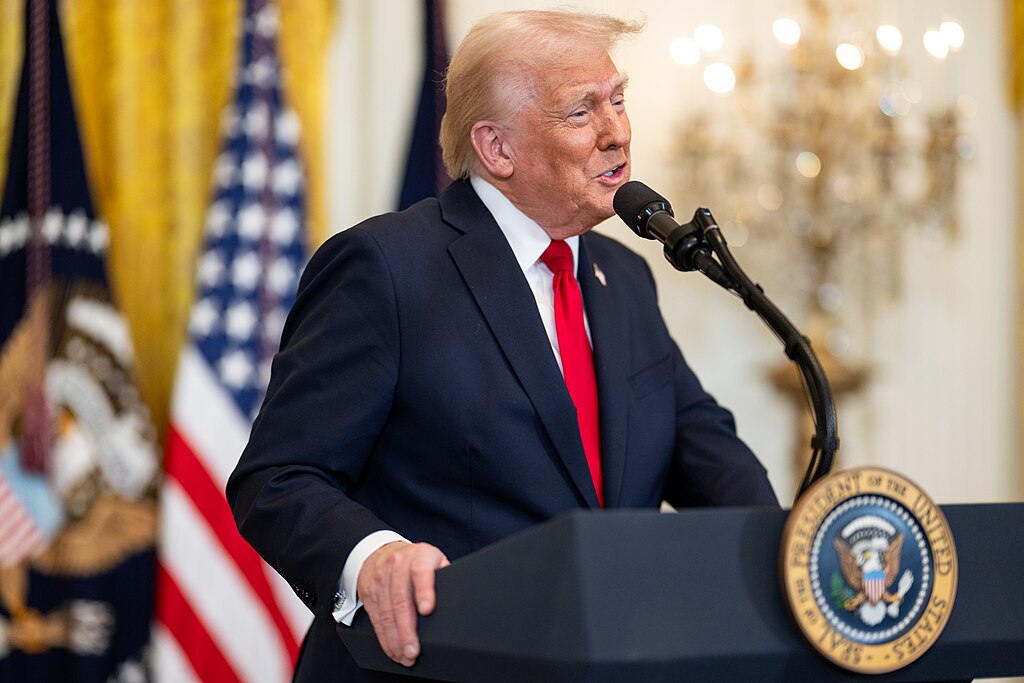
U.S. President Donald Trump said on Sunday evening that his administration is considering potential action against Colombia and Iran, following a dramatic U.S. military operation in Venezuela that resulted in the capture of President Nicolas Maduro. The comments, delivered to reporters aboard Air Force One, have intensified global attention on Washington’s foreign policy stance in Latin America and the Middle East.
Trump also raised the possibility of a second U.S. military strike on Venezuela if the country’s interim administration fails to cooperate with American authorities. According to Trump, the United States will temporarily oversee Venezuela until new leadership is elected and will assist in reopening the country’s oil industry, a move that could have significant implications for global energy markets.
During the remarks, Trump criticized Colombia for its alleged role in the cocaine trade, making pointed comments about President Gustavo Petro. He described Colombia as “very sick” and suggested that U.S. action against the country was under consideration, stating that an operation there “sounds good” to him. These remarks have sparked concern about potential escalation in U.S.–Colombia relations.
Trump also addressed Iran, warning that the country would face severe consequences if Iranian authorities began killing protesters amid ongoing anti-government demonstrations. Protests have spread across Iran over the past week, drawing international scrutiny and renewed tension between Tehran and Washington.
The president’s statements come just days after a U.S. operation in Venezuela led to Maduro’s capture and transfer to New York, where he is expected to face U.S. legal proceedings. Trump cited the Monroe Doctrine as justification for the intervention, emphasizing America’s historical opposition to foreign influence in the Western Hemisphere.
Trump said there are no immediate plans for action against Cuba, noting that reduced support from Venezuela has left the country economically vulnerable. Meanwhile, senior officials from Maduro’s government condemned the U.S. action as a kidnapping and insisted he remains Venezuela’s legitimate president. Vice President Delcy Rodriguez has assumed the role of interim leader, though she has previously denied willingness to cooperate with Trump’s administration.
Trump’s comments signal a potentially aggressive phase in U.S. foreign policy, with markets and governments closely watching the next steps.







